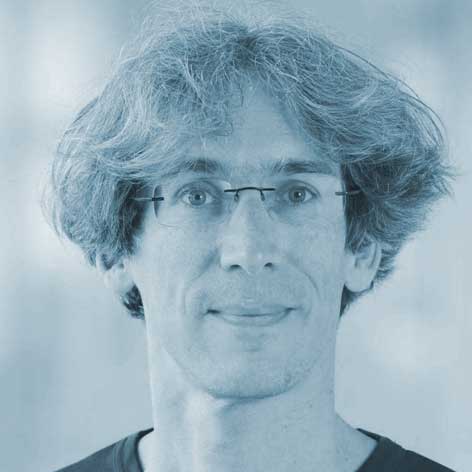
Konrad Schindler is Full Professor in the Department of Civil, Environmental and Geomatic Engineering at the Swiss Federal Institute of Technology (ETH) (Zurich). His research insterests are is photogrammetry, remote sensing, computer vision and image understanding.
Konrad received his MSc degree from Vienna University of Technology (Austria) and his PhD degree from Graz University of Technology (Austria).
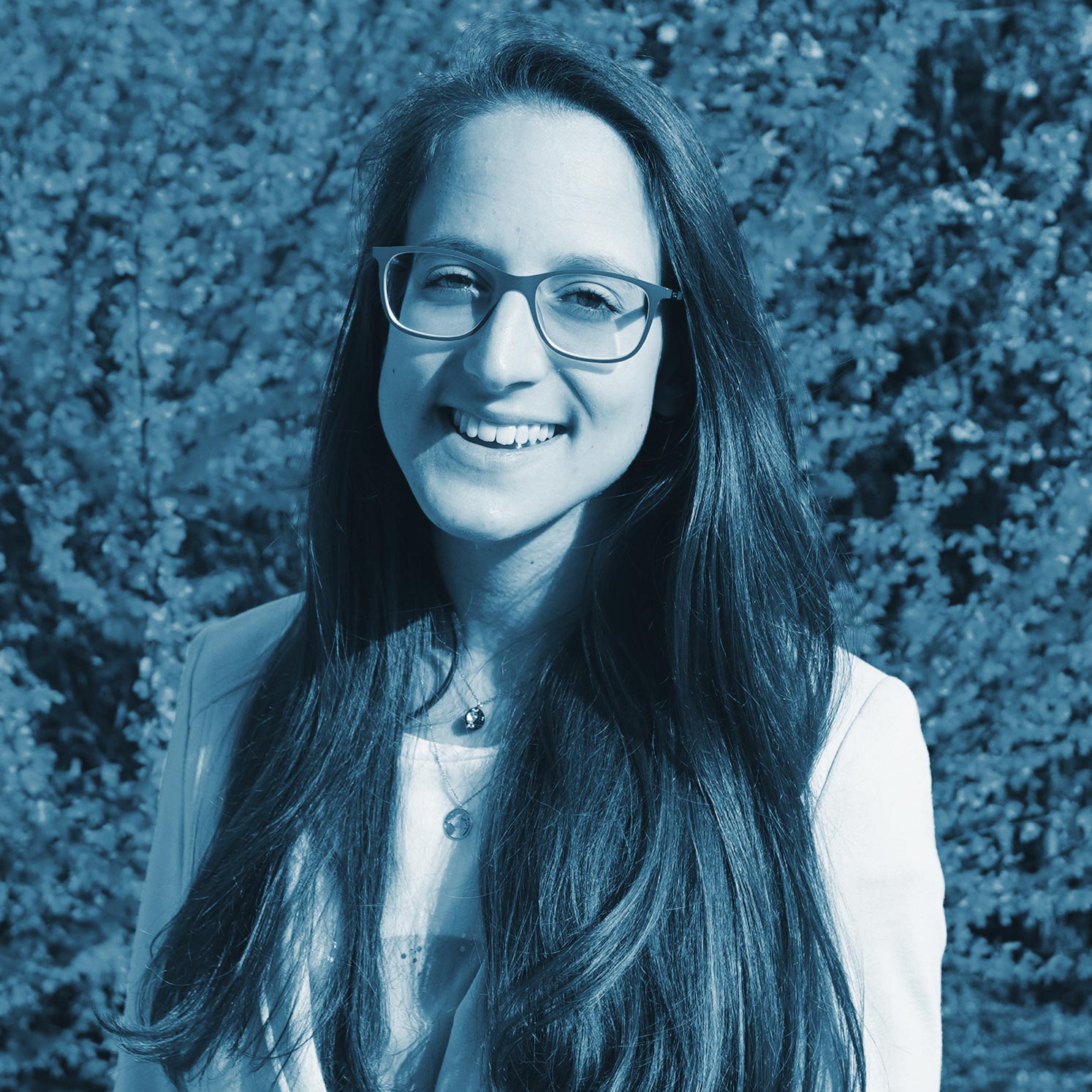
Laura Crocetti is a Ph.D. student at ETH Zurich and part of the Chair of Space Geodesy. She received her bachelor’s and master’s degrees in Geodesy and Geoinformation at TU Wien. During her studies, she worked in the Climate and Environmental Remote Sensing research group, where she gained knowledge of satellite data and machine learning (ML). After her studies, she started a Ph.D. in the same group during which she established a drought monitoring and prediction framework and investigated the impact of climatic oscillations on precipitation in the Mediterranean area. After one year, she got the opportunity to start a Ph.D. at ETH Zurich in the field of space geodesy. There, she is driving innovative research for the application of ML for space geodesy, with a focus on the detection and analysis of spatio-temporal patterns linked to geophysical phenomena using Global Navigation Satellite Systems (GNSS). Her passion is to work on the important topics of today’s society using novel ML techniques. She developed a framework to detect earthquakes in GNSS measurements and created a global model for atmospheric water vapour, important for weather monitoring and forecasting. Now, her focus is to understand the link between GNSS observations and geophysical phenomena described by Earth observation data.
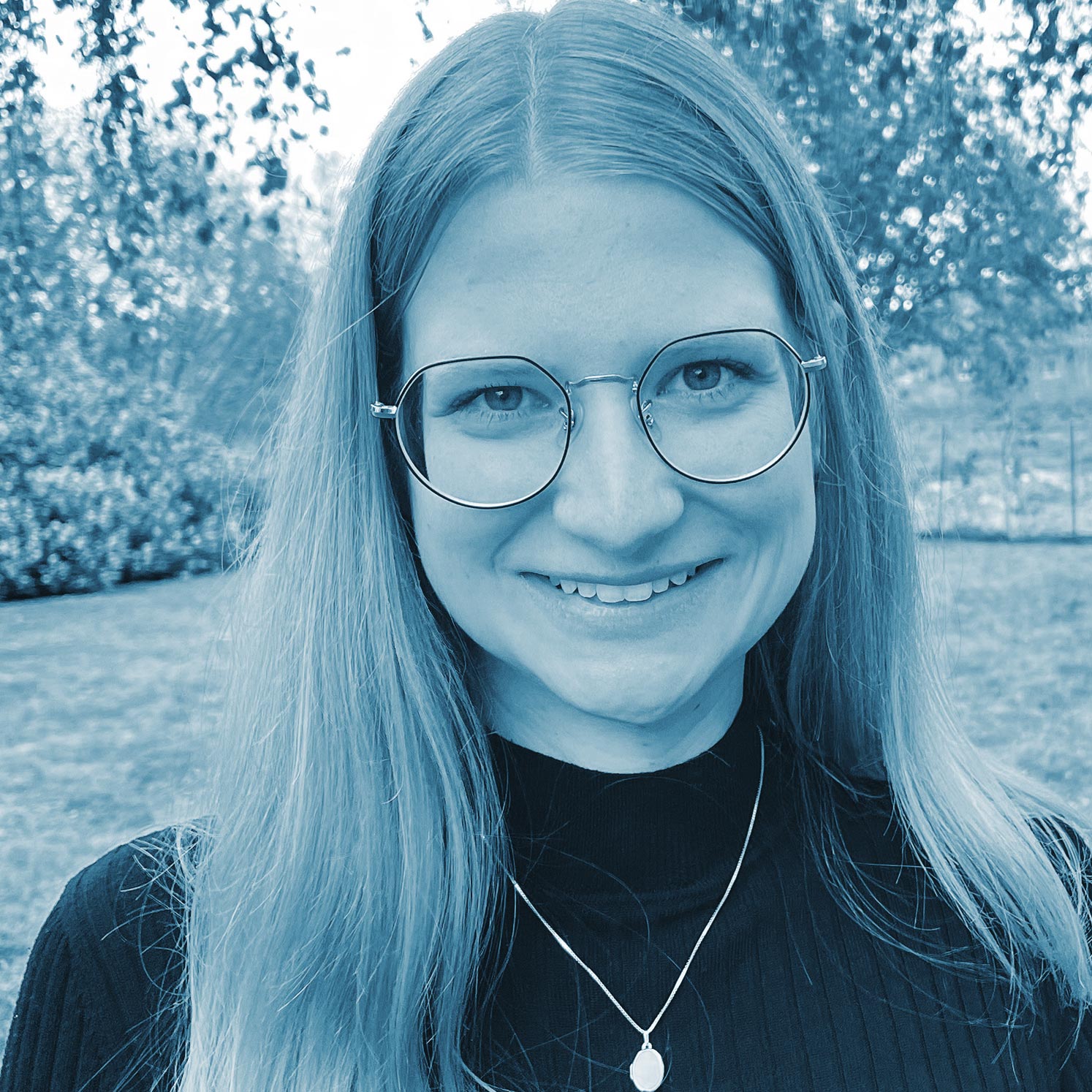
Leona obtained her Mathematics and Statistical Science degree from the University of Bielefeld in Germany. She is currently pursuing her PhD at the German Aerospace Center, where she works at the Institute of Aerospace Medicine. Her research focuses on the association between environmental stressors and respiratory diseases, particularly COVID-19 and influenza. Leona plans to spend three months at Φ-lab to expand her knowledge of earth observation and machine learning and conduct a statistical analysis of the link between environmental stressors and Brazilian COVID-19 infections.
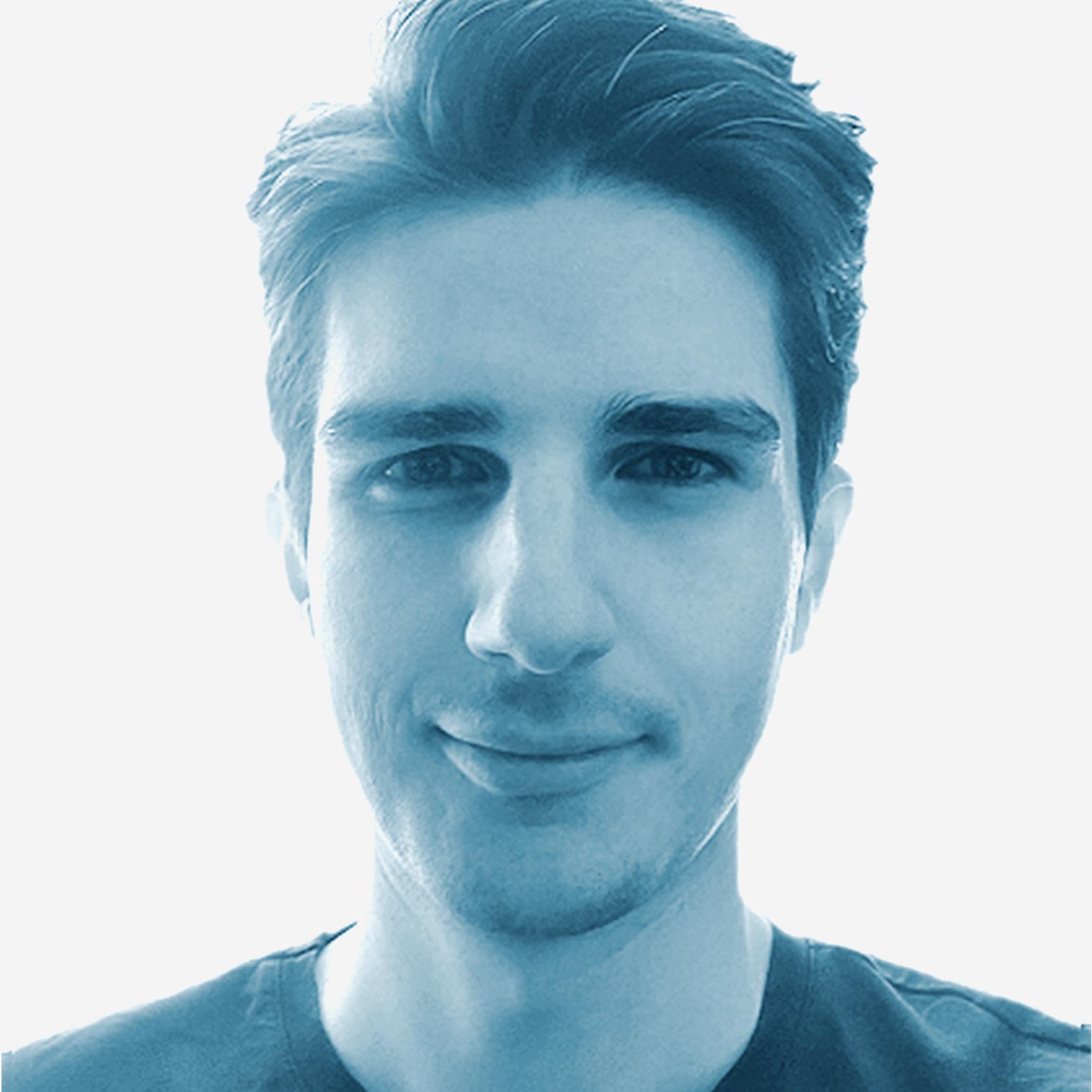
Laurens Arp is a PhD student at Leiden University supervised by dr. Mitra Baratchi, Prof.dr. Holger Hoos, and Prof.dr. Peter van Bodegom. Prior to this, he completed his BSc degree in Lifestyle Informatics at VU Amsterdam and his MSc in Computer Science at Leiden University.
Laurens’ research interests lie in the application of Automated Machine Learning (AutoML) and Automated AI (AutoAI) techniques for physics-aware machine learning tasks. He is currently researching methods that leverage domain knowledge to automatically generate a specialist model for specific target settings, as opposed to creating a large general model that aims to cover all possible instances

Lorenzo Stucchi graduated in Environmental and Land Planning Engineering at Politecnico di Milano in 2020. From February 2021, he is a PhD student in the Department of Civil and Environmental Engineering in collaboration with Ricerca sul Sistema Energetico – RSE S.p.A. His research activity is focused on Geographic Information Systems and Remote Sensing for the renewable energy sector.
During the experience as a visiting researcher in the Φ-lab, he will improve and integrate into the DIAS environment the approach for the computation of Evapotranspiration from Sentinel data from the result of the project Sentinel for Evapotranspiration (Sen-ET).
I am an A.I. Engineer from Malta. My background is in Electrical and Electronic Engineering and I became interested in A.I. when working on my undergraduate dissertation that focused on Natural Language Processing for Sentiment Analysis. My interest in the use of A.I. more specifically, machine learning continued to develop while reading for an M.Sc. degree in Machine Learning in Science at the University of Nottingham. Here I conducted research on a deep learning approaches to wind turbine bearing fault analysis using vibration signals. These skills and interests led to a position with a fintech Start Up company, TrustStamp as an A.I. Engineer. My work at the company included working with large amounts of data to develop a robust multi-factor authentication framework secured by advanced biometric tokenization technologies using face biometrics, face proof of life and face image quality solutions.
Growing up I was always fascinated by the vastness and beauty of space. Like many children my age I had the impossible dream of exploring Space. Joining Φ-lab as a National Trainee from Malta is an opportunity for me to rekindle my childhood dreams of working in the space industry and contributing a small part to mankind’s exploration of Space. I am excited to learn about Earth Observation and help contribute to the application of A.I. in this domain.
After a Bachelor’s Degree in Physics at the University of Rome Tor Vergata, I pursued a Master’s Degree in Physics in curricula “Physics of Complex Systems and Big Data”. Currently, I am enrolled in the National PhD course on “Space Science and Technology (SST)” at the University of Trento / University of L’Aquila. My research interests lie in the field of data analysis methods, dynamical systems approaches, information theory, space plasma physics, and magnetosphere. I am particularly interested in the multiscale nature of interplanetary magnetic fields and the coupling of Solar Wind – Magnetosphere – Ionosphere under different solar conditions.
Manuel Salvoldi is a visiting researcher from the Remote Sensing Laboratory at Ben Gurion University of the Negev. Manuel holds an MSc and a PhD in Aerospace and Mechanical Engineering. He has ten years of experience in the spacecraft industry, specialising in AOCS, flight dynamics, and command & control subsystems for Launch & Early Orbit Phase operational activities at CNES and Thales. Since 2014, he has also manager the Israeli Scientific Centre of the VENμS multispectral space mission.
Manuel’s research interests focus on developing, implementing, validating, and analysing advanced vision-based technology for current and future space systems. Specifically, he is interested in AI approaches for vision-based autonomous navigation, onboard image processing, and satellite image fusion. At the Φ-lab, he explores and validates AI methodologies for vessel detection using VENμS multispectral raw data.
Matéo Petel is a Graduate Student in Quantitative Economics at the Ecole Normale Supérieure Paris-Saclay and a Visiting Researcher in Statistics at the University of Oxford. He received his BSc (2021) in Financial Engineering from the University of Paris-Dauphine, France, with First Class Honours. Matéo has extensive experience in Quantitative Research and Data Analysis. Besides several internships in Egypt, Switzerland, Iraq, and Israel, Matéo has served as a Research Assistant at HEC Paris in Behavioural Economics and at Harvard University in Political and Spatial Economics. Matéo will join Stanford’s Management, Science, and Engineering Department in September 2023 for his master’s degree in the Computational Social Sciences concentration.
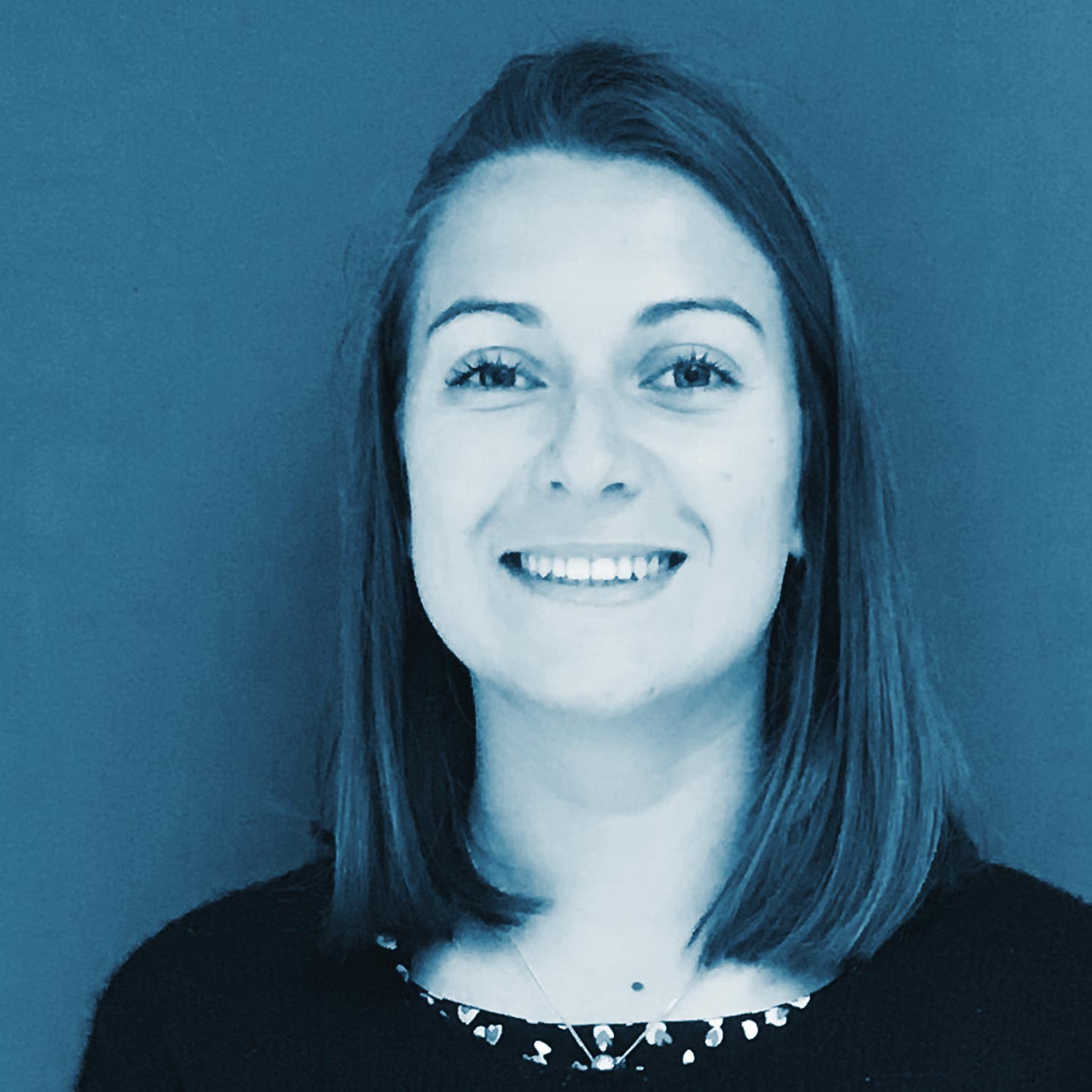
Mathilde Letard is a postdoc researcher interested in machine learning applied to Earth observation. She received her PhD degree in statistics and modelling for geosciences from the University of Rennes, France in 2023. Her work mostly focuses on developing methods dedicated to environmental knowledge extraction from remote sensing data, and in particular from lidar data in complex natural environments.”

