

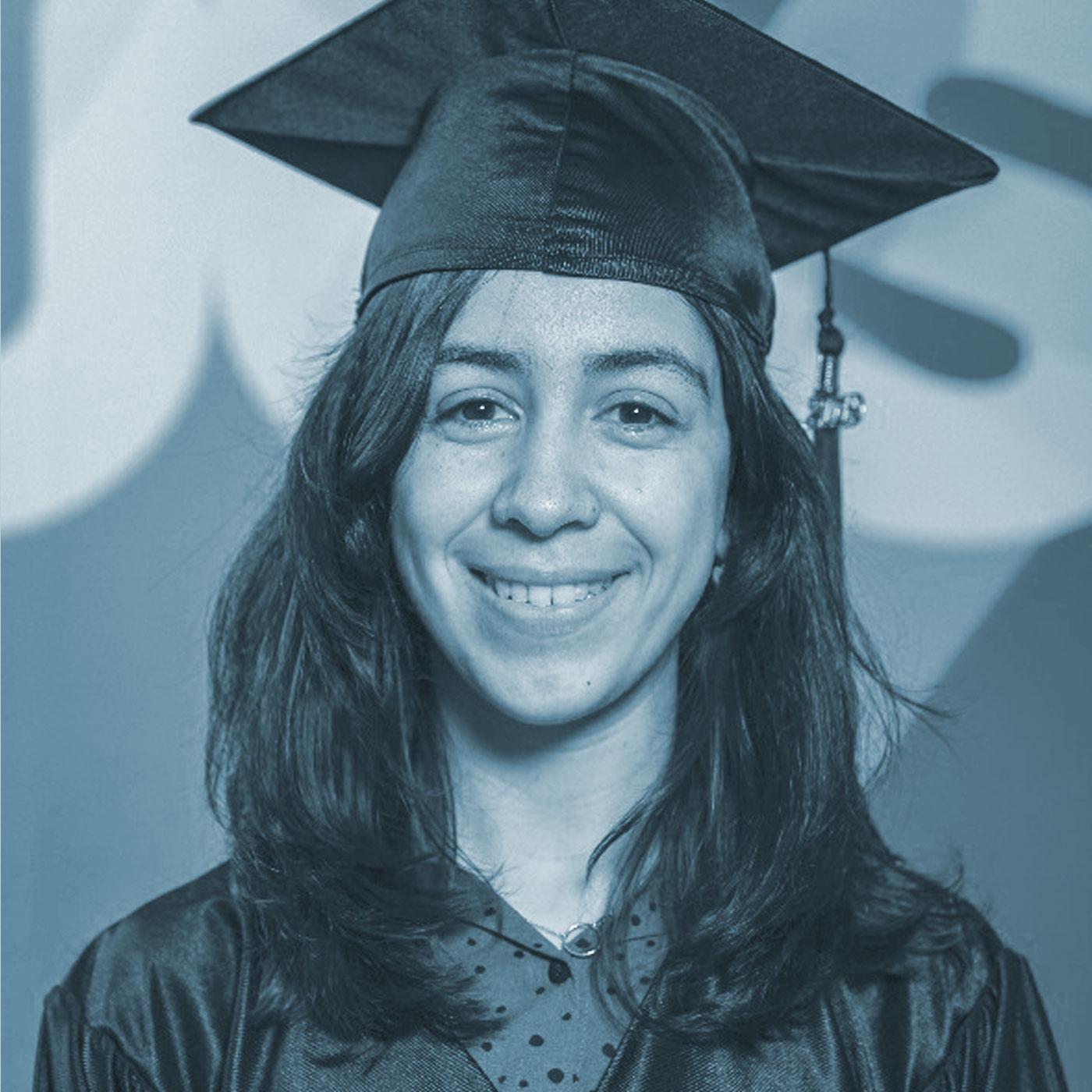
Jamila Mifdal holds a PhD in applied mathematics for satellite image processing.
Archives: Team
Jan Svoboda
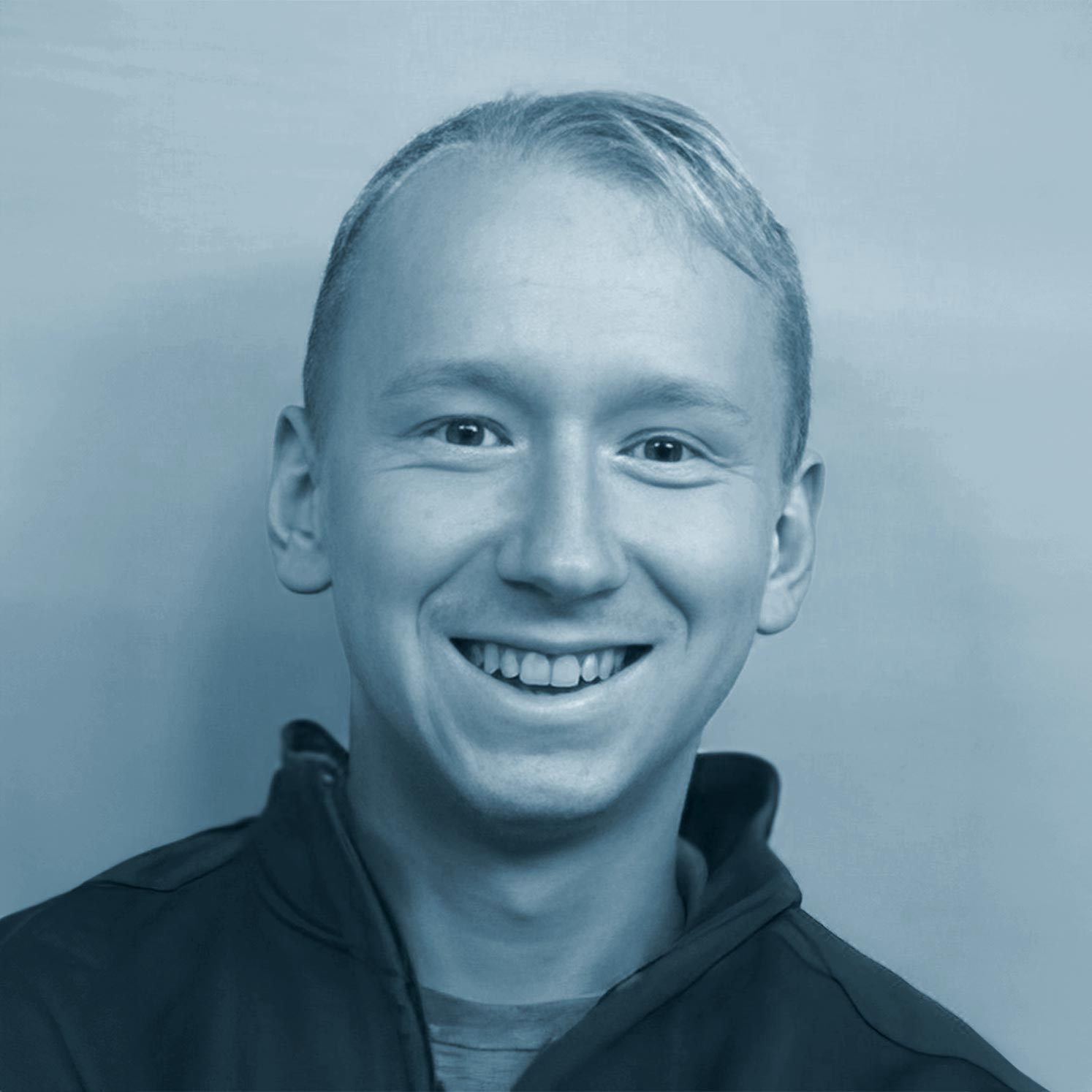
I graduated from Charles University in Prague with a master’s degree in remote sensing, geoinformatics, and cartography.
Being a member of the EO4Landscape research team and a PhD candidate at the same university, my primary area of interest is the large-scale land cover classifications derived from medium-resolution satellite imagery in accordance with the LULUCF Nomenclature. For this purpose I primarily concentrate on deep learning techniques, which allow to incorporate information from the neighbourhood of the classified pixel into the algorithms.
Also, I’m interested in land cover classification in southern Ethiopia in collaboration with the Czech Geological Survey as well as work on the cloud-based Google Earth Engine platform, which allows for the quick creation of a product from a collection of hundreds of satellite pictures. I also assist Prague Zoo in choosing appropriate locations to reintroduce Przewalski’s horses using remote sensing. Overall, I participate in instructional initiatives promoting remote sensing and GIS at all levels of education, from primary schools to universities.
Jan van Rijn
Jan van Rijn obtained his PhD in Computer Science in 2016 at Leiden University. During his PhD, he made several funded research visits to the University of Waikato (New Zealand, three times) and University of Porto. After obtaining his PhD, he worked as a post-doc the Machine Learning lab in Freiburg, headed by Prof. Dr Frank Hutter, after which he moved to do a post-doc at Columbia University, in the City of New York. His research aim is to democratise the access to Machine Learning tools across all entities in society, and his research interests include fundamental Computer Science, Automated Machine Learning and Data Science.
José Manuel Delgado Blasco
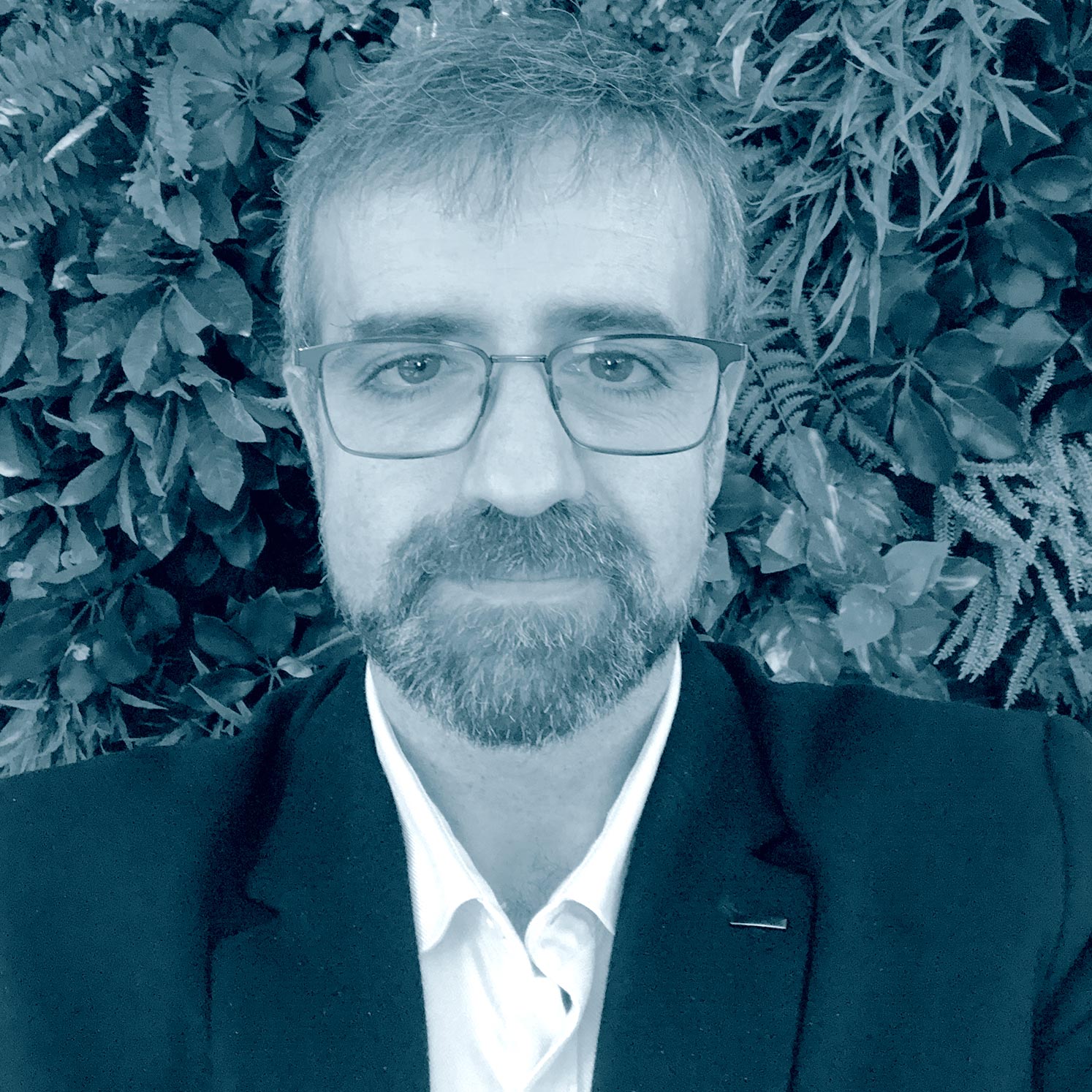
José Manuel Delgado Blasco, was born in Valencia (Spain), in 1981. He received an M.Sc. degree in electrical and electronic engineering from the Polytechnical University of Valencia and, holds a double Ph.D. diploma in Geoscience and Remote Sensing from Delft University of Technology (The Netherlands) and Dr of Science in Geography from KU Leuven (Belgium). Has been working as an Earth Observation Research Engineer, specializing in algorithm development/parallelisation and processing platforms, open science, and OGC standards. Moreover, he is a collaborating researcher with the Grupo de investigación Microgeodesia Jaén, Universidad de Jaén, Spain, and, the EOlab group of the Aristotle University of Thessaloniki, focusing on advanced InSAR applications and algorithm optimization. Recently, worked as a Project Manager of R&D and technological projects for European Institutions.
Javier Martinez Amaya
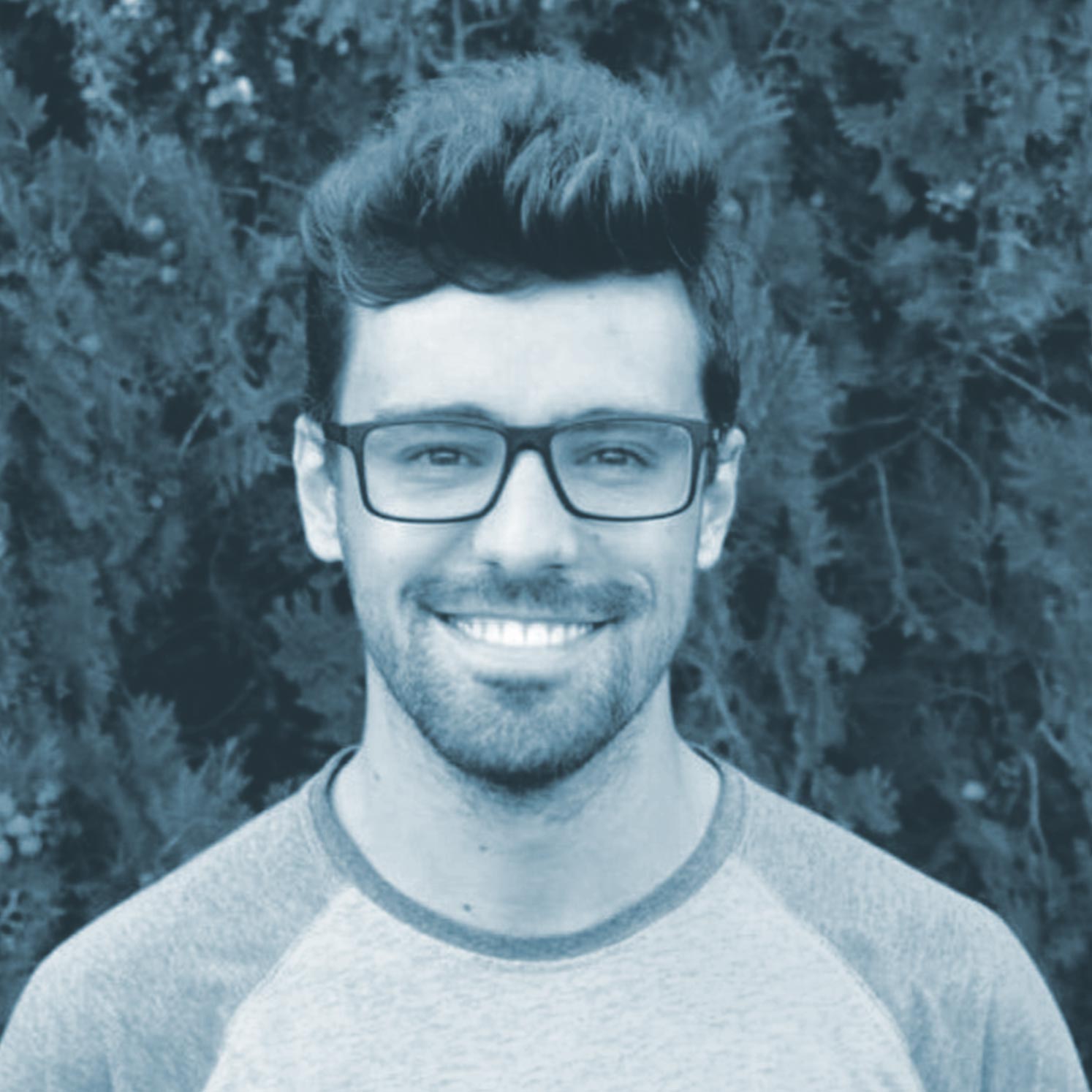
I am currently a PhD student at the University of Valencia (UV), working on the development of machine learning techniques to assess precursor conditions for extreme hurricane development. I am also helping with the practical implementation of climate-related assessment tools being developed at the AI4OCEANS Group. I hold a MSc on Remote Sensing from the UV.
Jente Bosmans
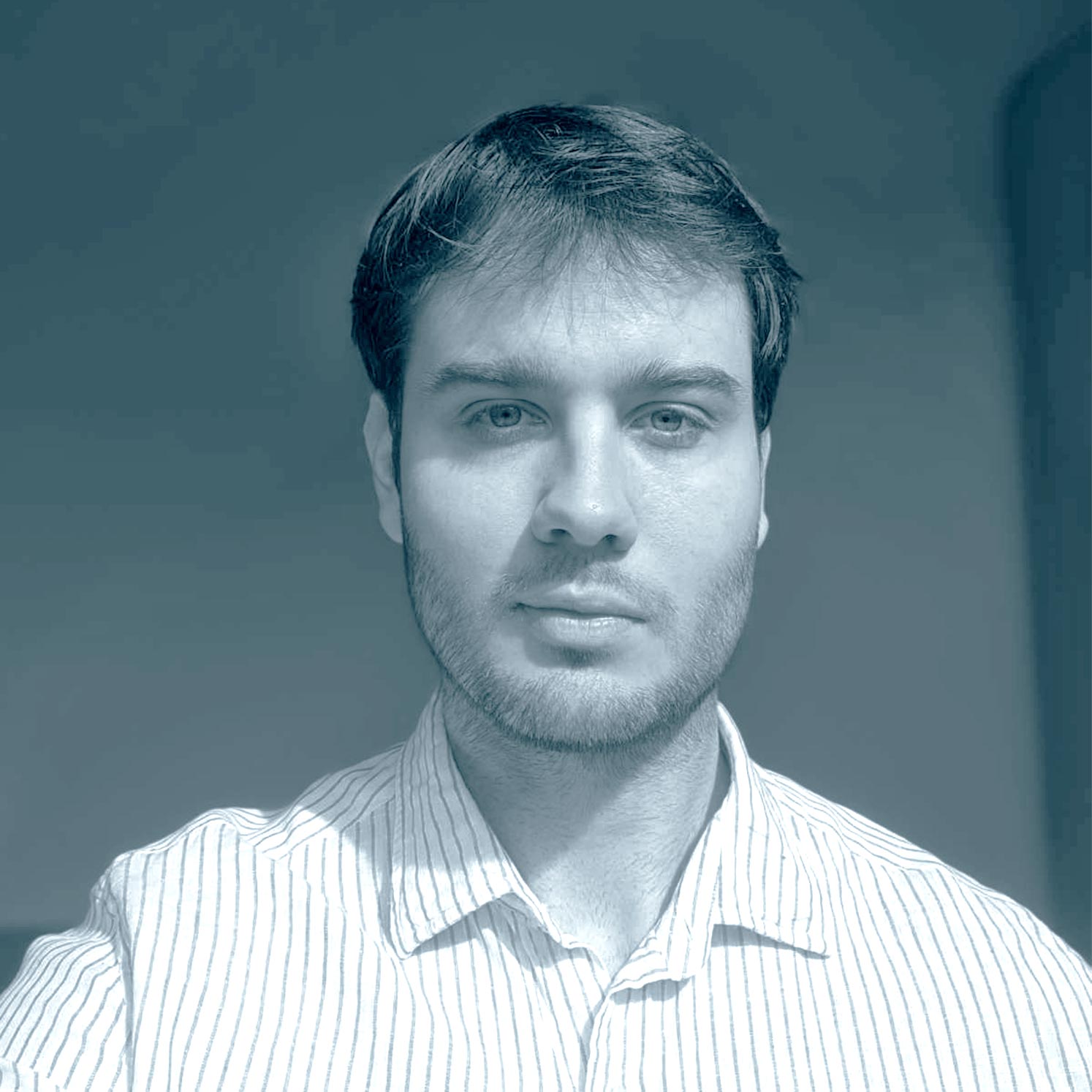
I graduated with a master’s degree in pure mathematics and a master’s degree in artificial intelligence from the universities of Brussels, respectively Leuven, in Belgium. For my master’s in AI, I wrote a thesis on how to apply matrix and tensor factorization methods to a corpus of song lyrics. After my studies, I worked for 2 years as a data science consultant for OpenAnalytics NV in Antwerp, where I mainly did data science related projects for the pharmaceutical sector. I have gained hands-on expertise in application development and general machine learning.
Jonathan Gundorph
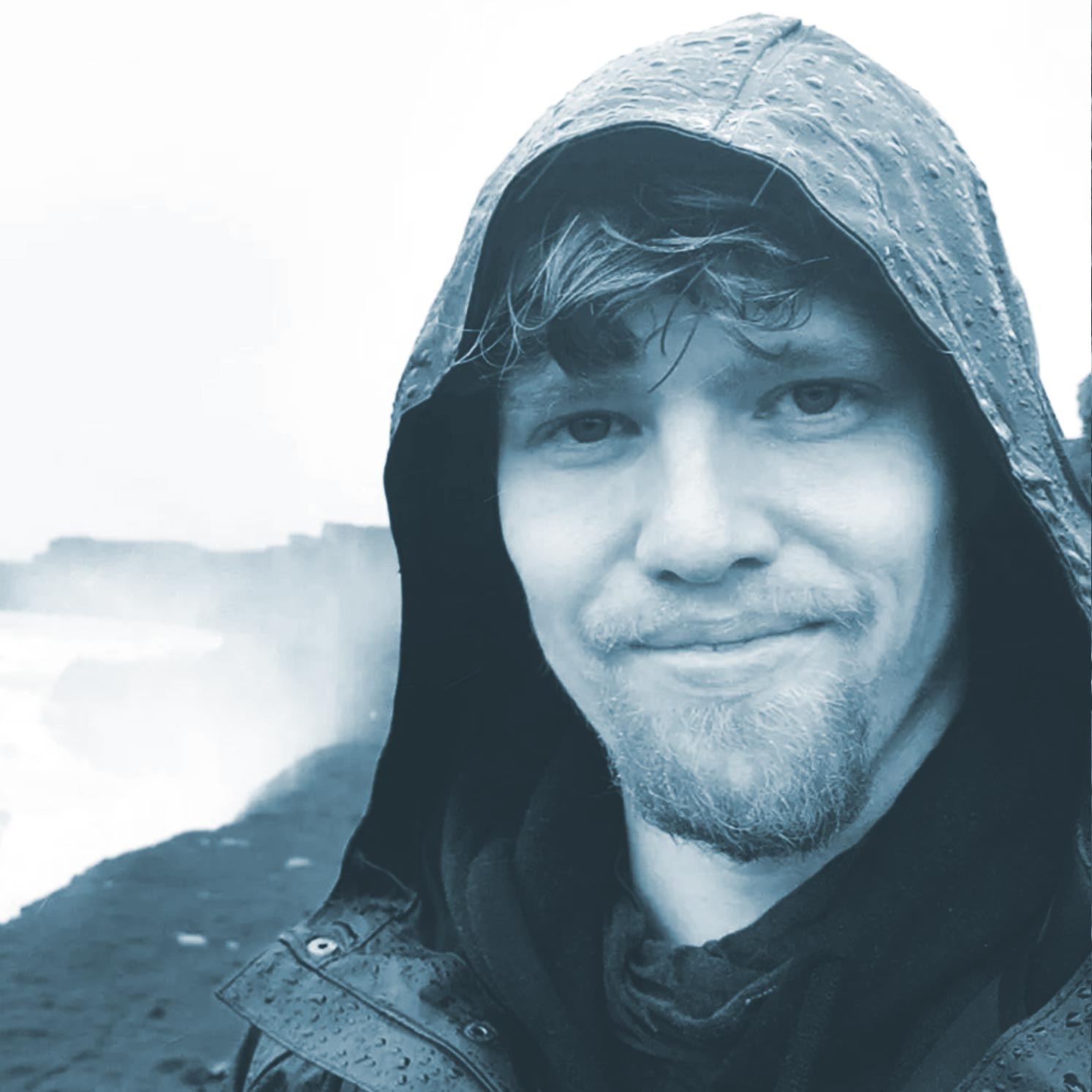
My name is Jonathan Gundorph, and I am a 29 year old male (30 the 3rd September) from Copenhagen, Denmark. I have studied Earth and Space Physics and Engineering at the Technical University of Denmark, both on my bachelors and my masters, and have specialized in the field of Earth Observation aswell as AI, Machine Learning and Computer Vision. I have applied these skills across both student jobs, hackathons, various projects and both my BSc and MSc theses. I finished my studies last September 2021 and have since been employed full time as an AI and Vision Engineer at the Danish company JLI Vision in Copenhagen, which specializes in Visual Inspection for industrial production.
In my spare time I practice Brazilian Jiu Jitsu (which I am also starting here in Frascati) and I also play music such as acoustic guitar and singing, mostly within the genre of rock. I am also super passionate about travelling, and prefer to do something active while travelling such as hiking, surf camp, scuba diving, martial arts camp or something similar where you can both be social and meet a lot of new people and have fun while doing it.
I am super excited to join Phi-lab, moving to Italy and be part of ESA! I can’t wait to get started and meet everybody, and see how I can contribute to your important mission goals
Julia Wasala
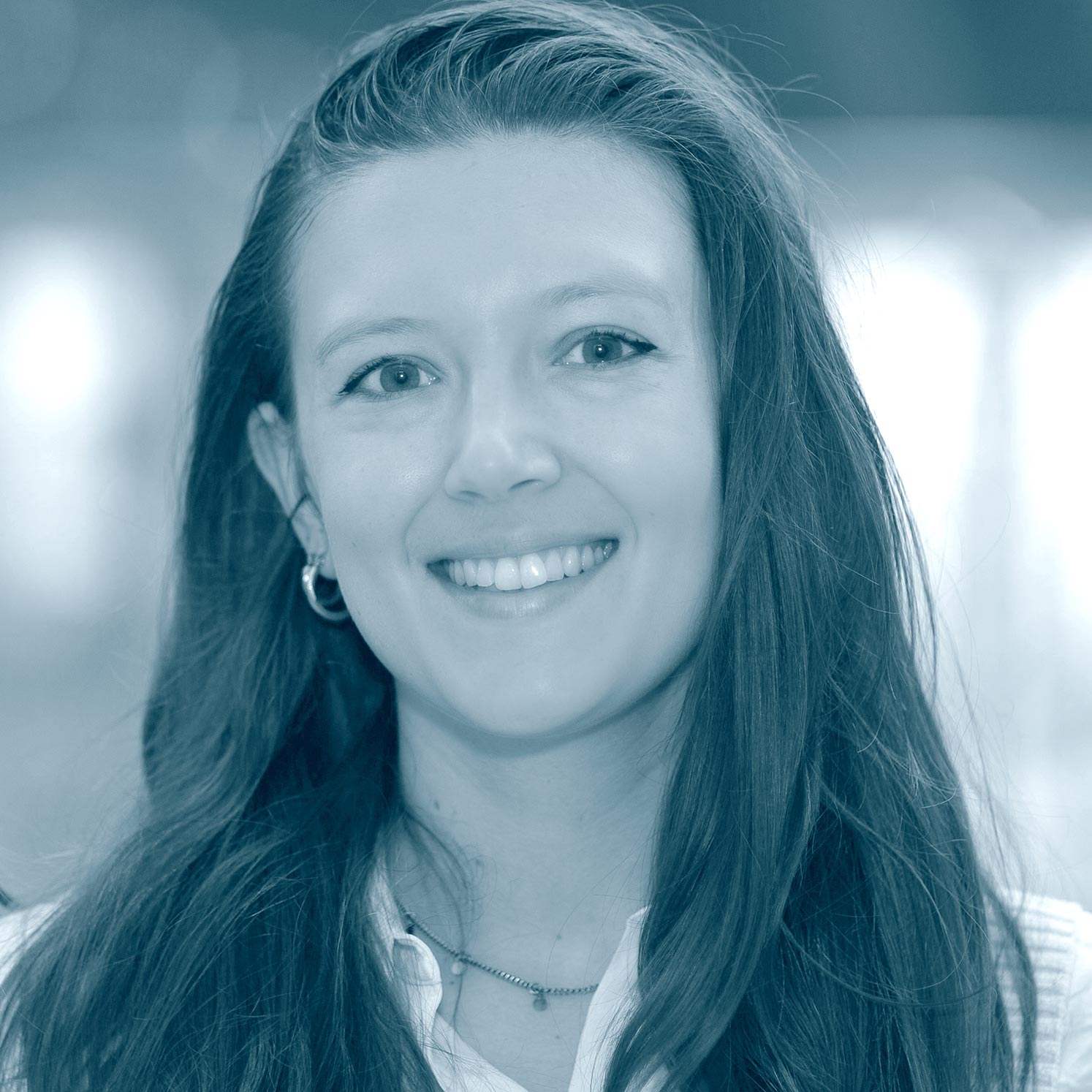
Julia is a PhD candidate in computer science at the Leiden Institute for Advanced Computer Science (LIACS) and the SRON Netherlands Institute for Space Research. She designs AutoML algorithms that automatically create and configure neural networks for Earth Observation tasks.
Kai Jeggle
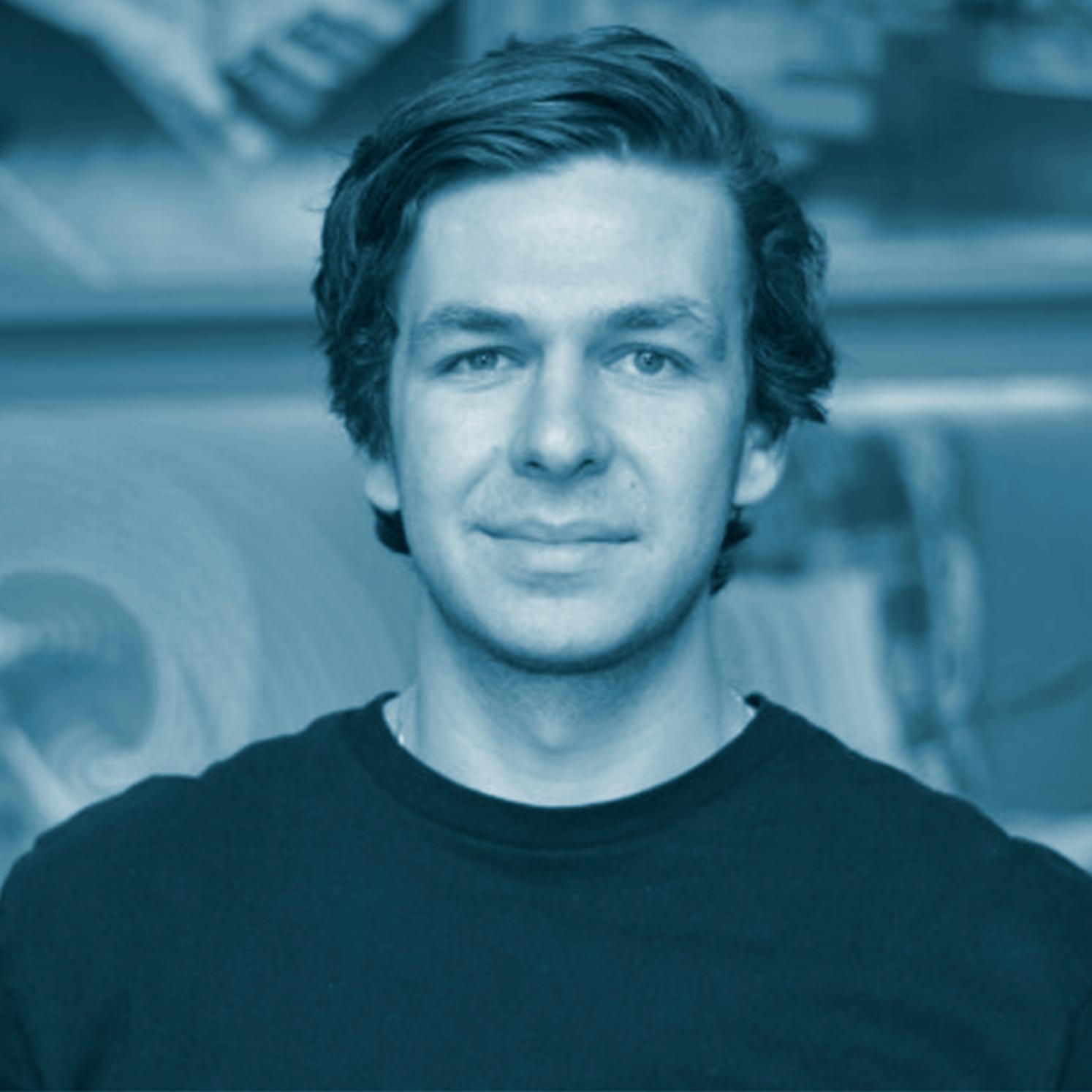
After finishing his M.Sc. degree in autonomous systems with a thesis on scalable hyperparameter tuning using Bayesian Optimization and a short stay in industry working in an MLOps startup in Stockholm, Kai is now doing his PhD at ETH Zurich. In his work he focuses on using machine learning methods and earth observation data to improve our understanding of cloud formation processes and aerosol-cloud interactions. Next to his studies, he is part of the core team of Climate Change AI.
Kelsey Doerksen

Kelsey Doerksen is a 3rd year PhD Candidate in the Autonomous Intelligent Machines and Systems Program at the University of Oxford, a part of the Oxford Applied and Theoretical Machine Learning Group. Her research focuses on the utilization of AI with Earth Observation data to tackle global climate and humanitarian challenges. Kelsey was previously a Visiting Researcher at the NASA Jet Propulsion Laboratory with the Machine Learning and Instrument Autonomy Team, working on the Scientific Understanding from Data Science Initiative to understand the drivers of air pollution. She has two years of experience as a satellite operator at Planet, operating the world’s largest Earth Observation satellite constellation. Kelsey holds a Masters degree from the University of Western Ontario in Electrical and Computer Engineering, and a Bachelor’s degree in Aerospace Engineering: Space Systems Design from Carleton University.