

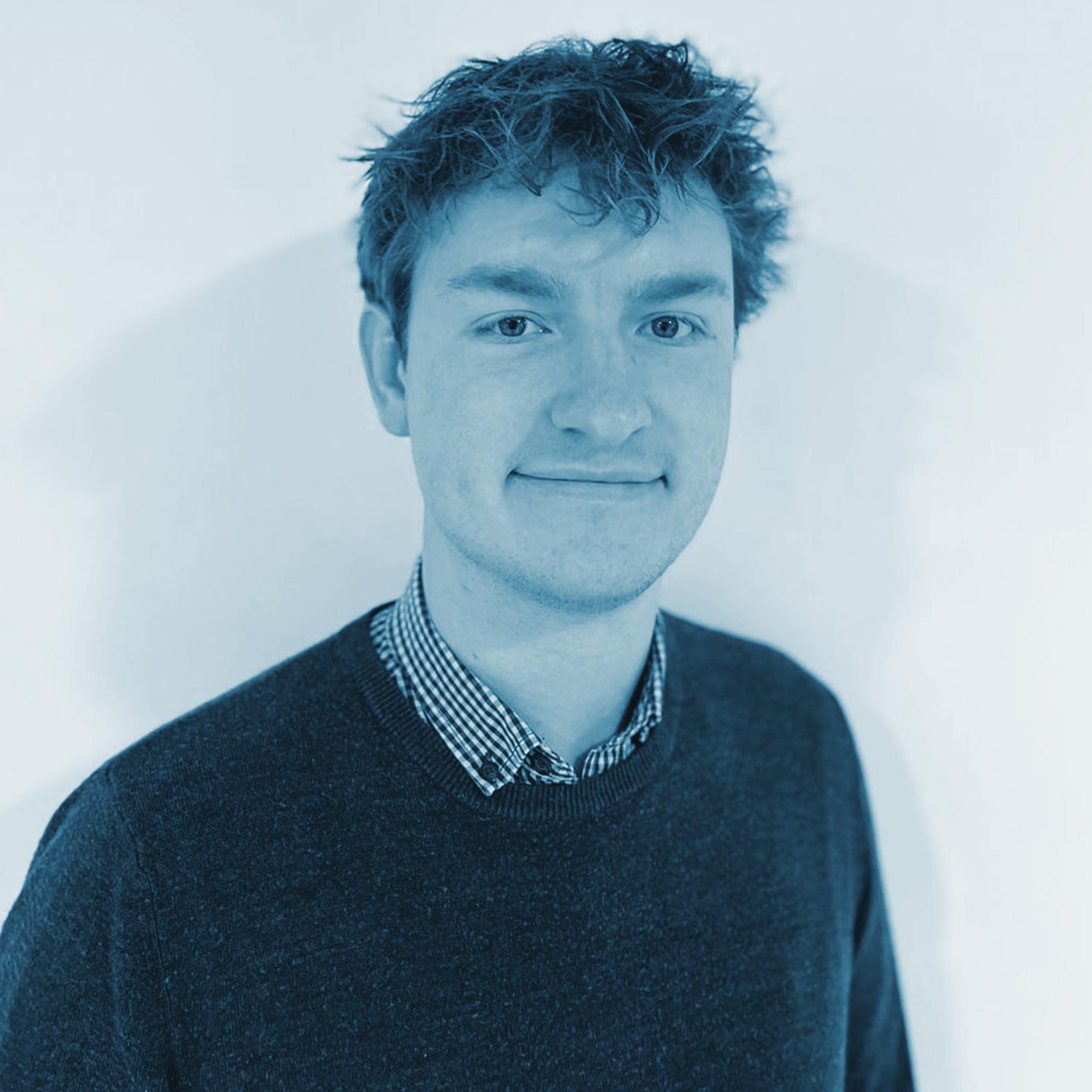
As a PhD student at the University of Strathclyde in the UK, Robert Cowlishaw is researching how Distributed Ledger Technologies can automate, accelerate and decentralise Satellite-based Emergency Mapping for Natural Disasters. His research and background includes modern cryptography, consensus mechanisms, blockchain ecosystems and distributed governance and economies. The last of which is his current research for Φ-Lab. Previously, in 2021, he acquired his Masters in Aero-Mechanical Engineering also at the University of Strathclyde.
Archives: Team
Roberto del Prete

Roberto Del Prete received an M.Sc. degree in Aerospace Engineering from the University of Naples Federico II in 2021. From that period, he has held a scholarship developing AI algorithms for detecting moving targets in Synthetic Aperture Radar (SAR) images. In 2022 he was selected as one of the thirty young scientists to present his research at NATO’s “Early Career Scientists” event. He is currently a Ph.D. student at the University of Naples Federico II, where he tests innovative concepts to support the expanded uptake of AI-enabled space-based Earth-Observation applications. As visiting researcher at Phi-Lab, he will support activities related to onboard vessel detection on multispectral and SAR data, warm-event classification, and AI-based autofocusing of L0-level SAR data.
His research interests include deep learning for automatic target recognition in satellite imagery, metaheuristic optimization, and autonomous optical navigation.
Rochelle Schneider
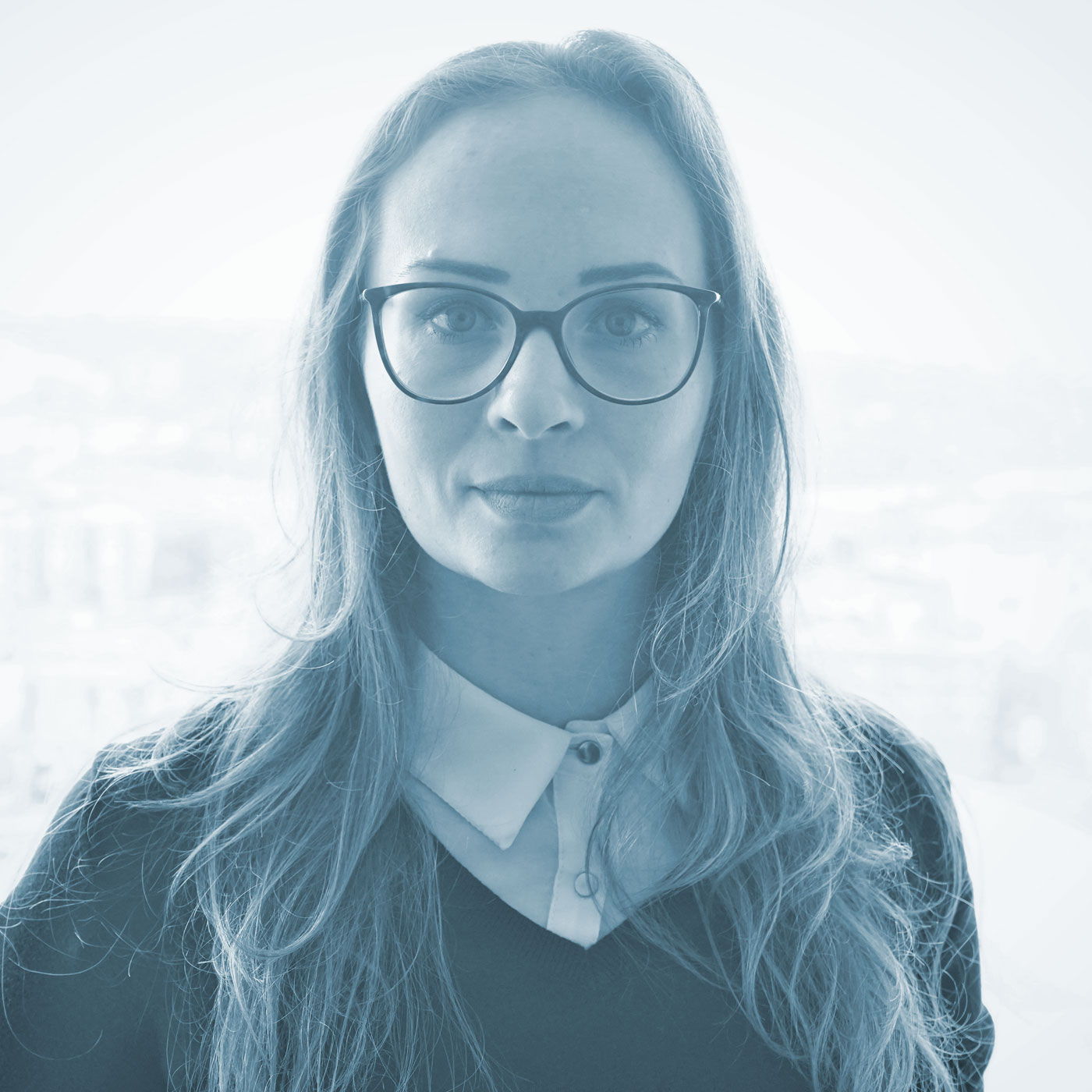
Rochelle Schneider holds a PhD in Geospatial Analytics, MSc GIS & Science, and MRes in Remote Sensing. Dr Schneider is Visiting Scientist at ECMWF and Honorary Assistant Professor at London School of Hygiene & Tropical Medicine (LSHTM). Before joining ESA, Dr Schneider worked as Geospatial Data Scientist at LSHTM conducting interdisciplinary research (EO satellites, Copernicus Services, machine learning techniques, health/wellbeing-focused). Before starting the PhD at University College London, Rochelle worked in the private sector in projects involving: permanent preservation areas (QuickBird), agricultural monitoring (SPOT-5), rural land register (GNSS), and slum population Census (GPS-enabled handheld computer). Rochelle is an advocate of extracting knowledge from EO technologies to health applications (Space4health), unlocking the generation of global impact.
Sabrina Ricci
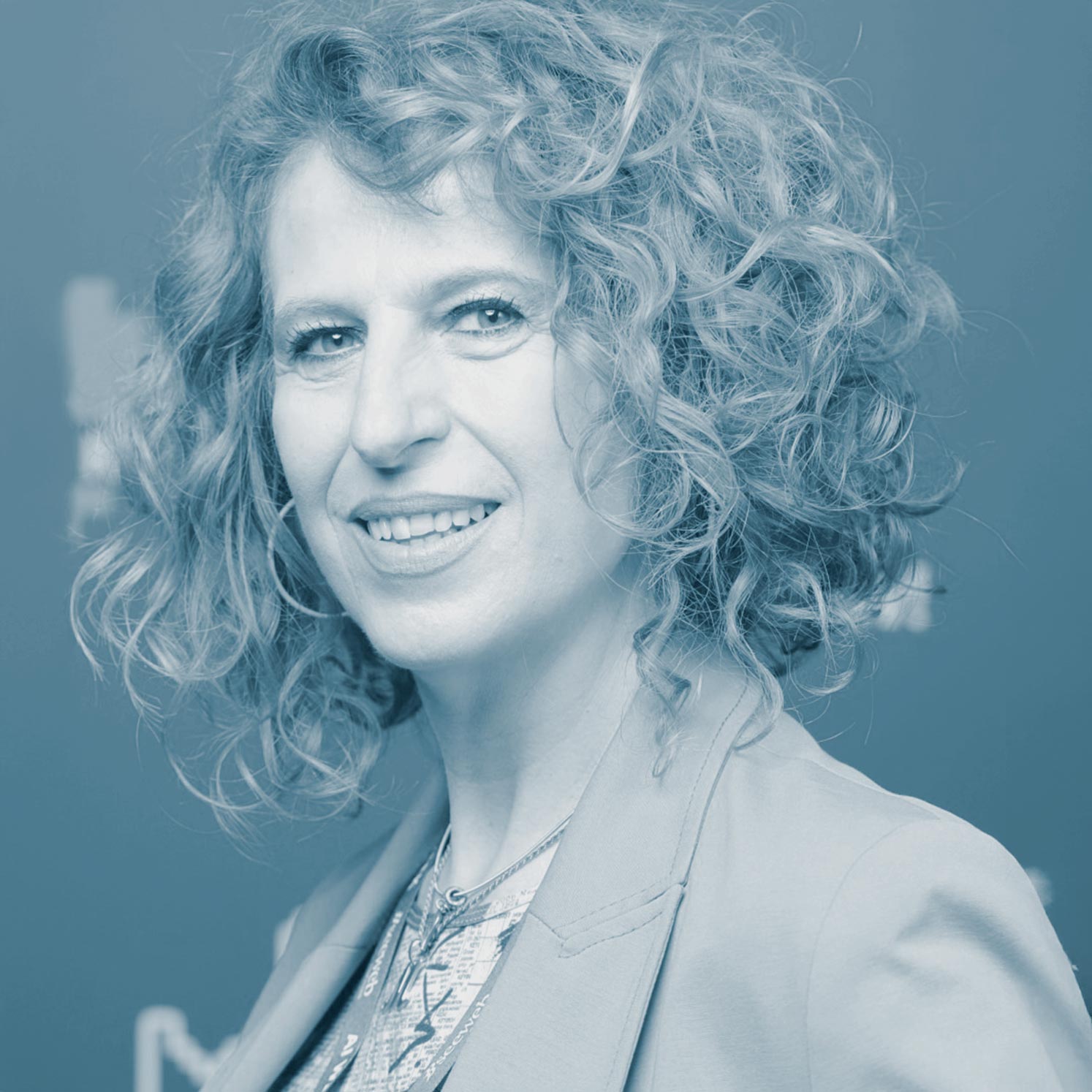
Sabrina Ricci is a space sector expert with over two decades of experience at the Italian Space Agency (ASI), where she has held prominent roles across multiple domains, including Earth Observation, Education, HR and Outreach. She currently works at Solenix and serves as AI Ecosystem Coordinator at the ESA Φ-lab, a division within the Climate Action, Sustainability, and Science Department (EOP-S) of the European Space Agency’s Earth Observation Directorate, based in Frascati. In this role, Sabrina leads the management of the AI ecosystem and the integration of cutting-edge technologies. With a career spanning more than 20 years, she has cultivated a strong track record of fostering strategic relationships, building partnerships that drive innovation, and supporting ESA Φ-lab’s mission to become a hub for disruptive and transformative innovation in Earth observation. Sabrina’s expertise lies in the integration of innovative technologies into Earth observation systems, as well as in her ability to create dynamic networks that support the evolution of space and space-based solutions.
Sahba El-Shawa

Sahba El-Shawa is a PhD researcher specializing in the intersections between space and sustainability. She holds a BASc in Mechanical Engineering from the University of British Columbia, an MSc in Space Studies from the International Space University, and is currently completing her PhD in Sustainable Development and Climate Change at IUSS Pavia. Her interdisciplinary research focuses on the use of emerging technologies like VR and AI to increase accessibility to space-derived knowledge for sustainability applications and policymaking.
During her studies, she collaborated with the German Aerospace Centre (DLR) on robotics research and completed an internship as a systems engineer at the European Space Agency’s Clean Space initiative focusing on the environmental impacts of space activities, both on Earth and in space. Now, as a Visiting Researcher at the ESA Φ-lab, she aims to use EO and AI for environmental impact assessment through the analysis of Essential Climate Variables in critical sustainability contexts.
As a social entrepreneur, Sahba founded the Jordan Space Research Initiative, which bridges sustainability with space exploration through analog research, and the Palestine Space Institute, a think tank advocating for the ethical use of space technologies. She is also an analog
astronaut and has received multiple awards for her work, including the International Astronautical Federation’s Emerging Space Leaders Award in 2023.
Salvatore Camodeca
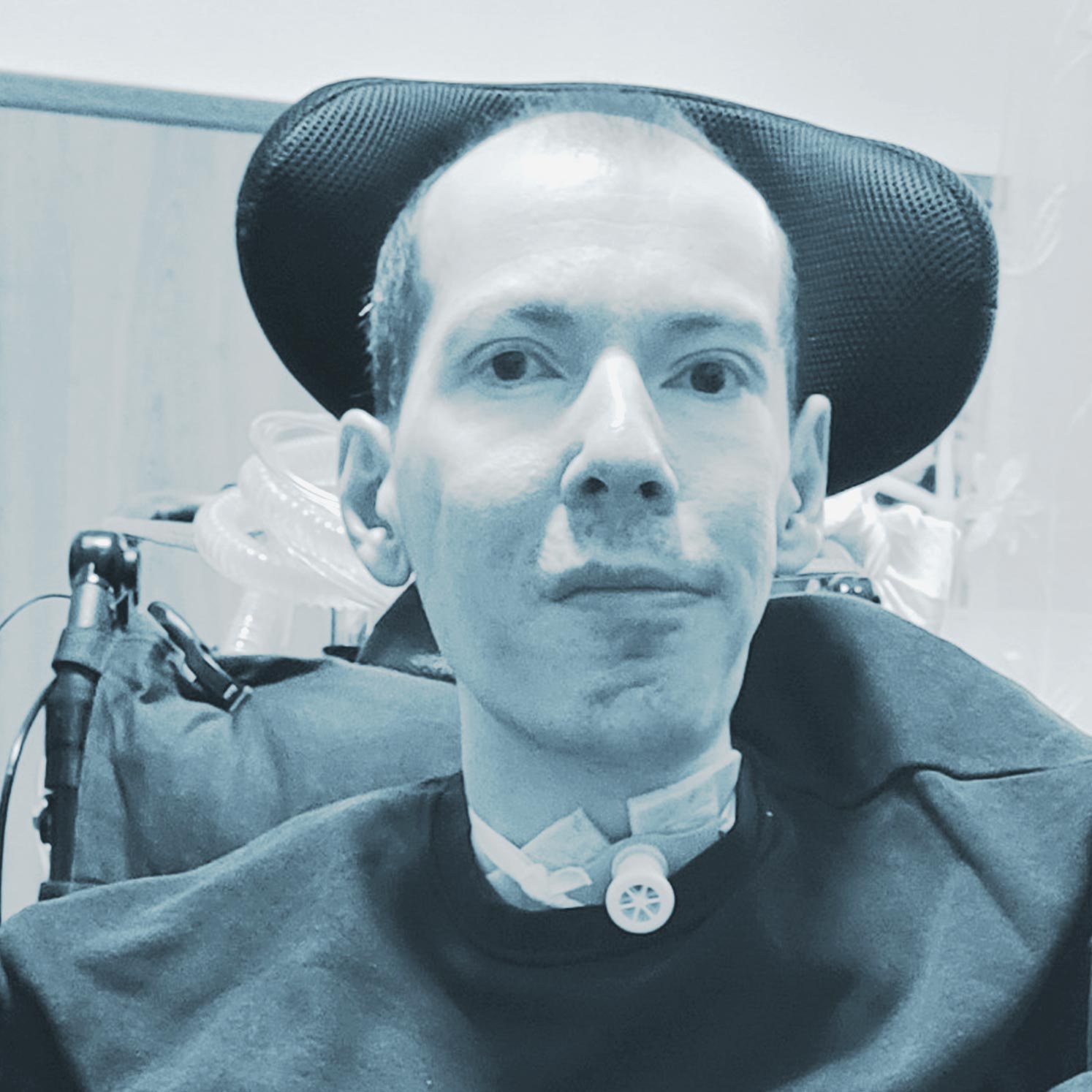
I am a great technology enthusiast and I graduated in computer science from the State University of Milan. I like creating SW for various uses and have been practicing coding for many years with different languages: C#, PHP, Java etc. I recently started studying the data offered by the Copernicus platform and with my friends from Phi-Lab we are creating Python scripts for processing data obtained from Sentinel satellites. Thanks to this opportunity I am happy to be able to learn something useful together with excellent researchers.
Simon Beaugrand
I graduated from ESTACA with an MEng in Energy Systems Engineering and from CentraleSupélec with an MSc in Space Economy. My master thesis focused on how quantum cryptography can be applied to satellite constellations.
My background is in energetics, with practical experience from an apprenticeship in pyrotechnics at ArianeGroup, where I worked on rocket propulsion. I will use this internship at Φ-lab to learn more about the Earth Observation ecosystem
Sašo Džeroski
Sašo is the Head of the Department of Knowledge Technologies at the Jožef Stefan Institute, Ljubljana, Slovenia, and a full professor at the Jožef Stefan International Postgraduate School. His group develops Machine Learning and data mining methods for knowledge discovery (incl. methods for predicting structured outputs, e.g., multi-target prediction, and automated modelling of dynamical systems, e.g., discovery of differential equations). It also investigates the applications of such methods in a variety of domains, ranging from agriculture and ecology, through medicine and pharmacology, to Earth Observation and space operations. Sašo received his MSc and PhD degrees from the University of Ljubljana. He is a Fellow of EurAI (European Association for Artificial Intelligence), foreign member of the Macedonian Academy of Sciences and Arts, and member of Academia Europea (European Academy of Humanities, Letters and Sciences).
Sveinung Loekken

or many years, my focus has been on the develop- ment of new technologies, techniques and capabili- ties that can significantly boost the uptake and im- pact of Earth Observation data. My dream is to realise the full potential of remote sensing data by pairing the massive observational capability of Copernicus, national and new space missions with the similarly awesome capability of the IoT in the exploitation of the resulting data for the benefit of humanity.
My role in the Φ-lab Explore Office is to bring together people from research and industry across various disciplines to investigate the AI potential for new useful innovative EO techniques. This includes enabling the definition of research agendas, identifying gaps in capabilities and resources and defining and implementing the activities to fill them, as well as influencing decisions supporting the same objectives in ESA and beyond.
My background is in philosophy and applied mathematics/CS, and I hold a BSc from the University of Oslo and an MSc from Texas A&M University.
Tara-Marie Bründl
Tara Bründl is a Junior Professional (JP) in Payload Engineering for future science missions in the early phases (ESTEC, NL). In the frame of the JP programme, Tara rotated into the Directorate of Earth Observation’s Φ-lab in June 2024 (ESRIN, IT), where she provides optical payload support to upstream InCubed projects. Previously, she gained experience in science operations (ESAC, ES) and AIV/AIT (Airbus DS, FR) for the scientific payload on-board the JUICE spacecraft. Tara holds an MPhys degree in astrophysics from the University of Edinburgh (UK). In parallel to her JP role, Tara is a guest researcher at Delft University of Technology in collaboration with Leiden University (NL), where she studies surface processes on icy moons in the solar system