I love to learn. I completed a double bachelor in maths, physics and computer science, as well an honours degree in computer science at La Trobe University. After my honours and before my PhD, I have worked on various projects with little connecting them, only that they utilised deep learning in some way. Generally, though, I used natural images taken at ground level. I have since learned much about the unique challenges presented by satellite images.
I want to help. Crop breeders run large trials to find more resilient and fruitful breeds of our staple crops. But measuring all of the plots in these large trials is expensive and error-prone. So, in my PhD, I am working towards a future where satellite images and deep learning will be used to cheaply measure plants from space. This will help ensure global food security by identifying breeds with better performance across diverse environments.
I am pragmatic. My main skillset is for using deep learning on images, but this does not tie me to any particular field. I enjoy working on any kind of problem. So long as I am learning and helping, I am satisfied.
Vít Růžička is a DPhil student at the Department of Computer Science at the University of Oxford, supervised by Andrew Markham and Niki Trigoni. He participated in FDL Europe 2021 as a ML researcher in the “AI On-Board” team and in FDL US 2022 as a ML team lead. In 2019-20, he was working as a research assistant and lecturer at the University of the Arts London in the Creative Computing Institute. Before that he was on a research internship at ETH Zurich in the EcoVision group (2019) and at Carnegie Mellon University in Franz Franchetti’s group (2017-18). He did his MSc and BSc at the Czech Technical University in Prague. His research interests are in AI On-Board in communication constrained environments and recently in ML for hyperspectral data processing. He also likes Arts, literature, travelling and analog photography.
I am a Ph.D. student in remote sensing deep learning with a passion for Earth Observation & Deep Learning. I am pursuing my research part-time at SONDRA Lab, CentraleSupélec, France, and part-time at IVA Lab, in ONERA, Palaiseau. I work on problematics of change detection in SAR Time Series of forests with the help of Deep Learning methods. I am exploring unsupervised learning methods and have published a few results in agricultural contexts. I am now looking forward to developing my approach for forested environments and will take the opportunity of my stay at Φ-Lab to extend my previous results.
My background is in Computer Science & Artificial Intelligence. I obtained an engineering degree from the french engineering school CY-Tech, which I completed with an M.Sc in AI at Heriot-Watt University, in Scotland.
During my Bachelor program, I developed a good knowledge on Remote Sensing (RS) working on multi-temporal and multi-sensor (Copernicus Sentinel-1 and Sentinel-2) images for monitoring landslides interesting some areas of South Italy.
I also developed a Python project on the Machine Learning (ML) analysis of the “Glioma grading clinical and mutation features” Dataset. The Glioma cancer is based on World Health Organization (WHO) classification and the study has been motivated by the fact that clinical and mutational molecular factors are crucial for the grading process, and especially for those countries where neuro-oncology communities and health systems are weaker. ML analysis helped to identify the 20 most frequently mutated genes and their mutation to determine the degree of disease progression.
I am thrilled to spend this period in the ESA phi-lab for developing prototype programs (in Python) for handling and processing in situ data acquired from ESA IoT air quality devices (the so-called Air Quality Platform – AQP) and from the official ARPA stations, and to correlate them with the EO satellite data (e.g. Sentinel-5P). Advanced techniques including ML and Deep Learning will be investigated to propose joint IoT/EO fusion products. I really hope to be able to apply this study on air pollutants for the safety of our monument heritage and its preservation. Which place better than the phi-lab to do that?
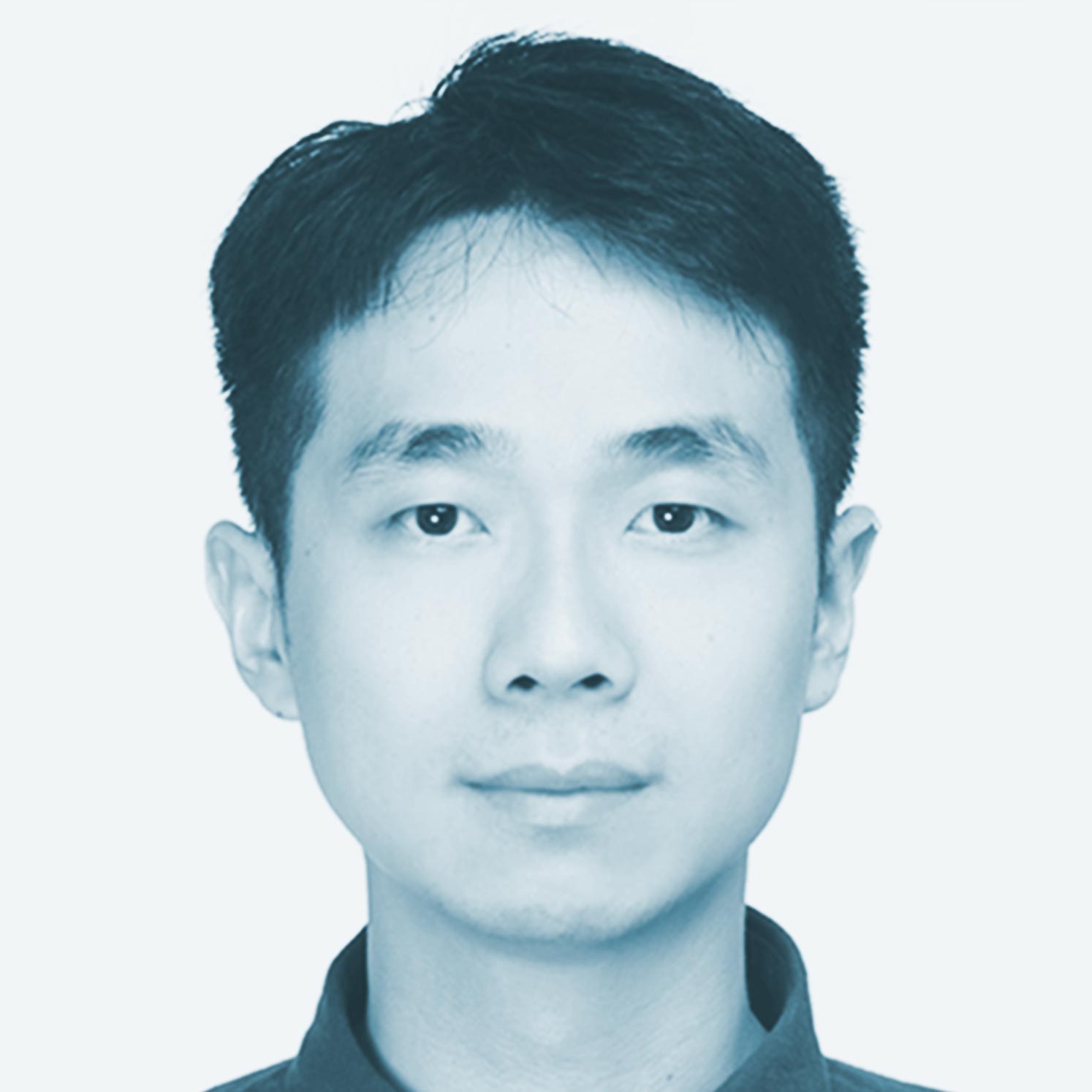
My name is Wenfu Sun. I graduated from National University of Singapore with a Master of Science degree and worked as a research assistant at Southern University of Science and Technology in Shenzhen. Previously, I have conducted research on the spatial and temporal distributions of HCHO and NO2 columns using satellite observations and model simulations.
Currently, I am a PhD student under the joint supervision of Royal Belgian Institute for Space Aeronomy (BIRA) and Université libre de Bruxelles (ULB). My supervisors are Dr. Frederik Tack, Prof. Dr. Michel Van Roozendael (BIRA), and Dr. Lieven Clarisse (ULB). My research focuses on inferring surface NO2 concentrations by machine learning.
It is my pleasure to have this visiting study at Φ-lab under the supervision of Dr. Rochelle Schneider, and I look forward to working with this big family and sharing ideas with you
My name is Wenfu Sun. I graduated from National University of Singapore with a Master of Science degree and worked as a research assistant at Southern University of Science and Technology in Shenzhen. Previously, I have conducted research on the spatial and temporal distributions of HCHO and NO2 columns using satellite observations and model simulations.
Currently, I am a PhD student under the joint supervision of Royal Belgian Institute for Space Aeronomy (BIRA) and Université libre de Bruxelles (ULB). My supervisors are Dr. Frederik Tack, Prof. Dr. Michel Van Roozendael (BIRA), and Dr. Lieven Clarisse (ULB). My research focuses on inferring surface NO2 concentrations by machine learning.
It is my pleasure to have this visiting study at Φ-lab under the supervision of Dr. Rochelle Schneider, and I look forward to working with this big family and sharing ideas with you
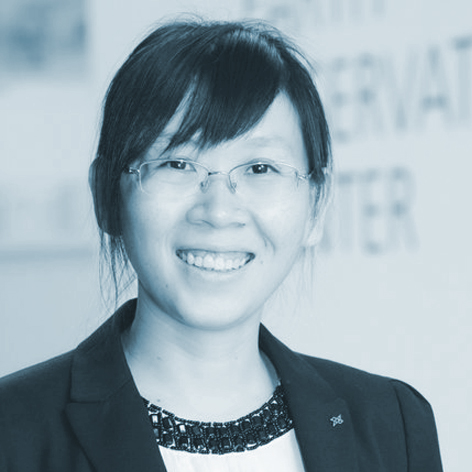
Xiaoxiang is the Professor for Signal Processing in Earth Observation at Technical University of Munich (Germany), the co-spokeswoman of the Munich Data Science Research School (MUDS), and the head of the Helmholtz Artificial Intelligence (HAICU) – Research Field “Aeronautics, Space and Transport”. Her main research interests are remote sensing and Earth Observation, signal processing, machine learning and data science, with a special application focus on global urban mapping. Xiaoxiang was a visiting scientists in Italy, Japan and US. She received her MSc, PhD degrees and habilitation from TUM.
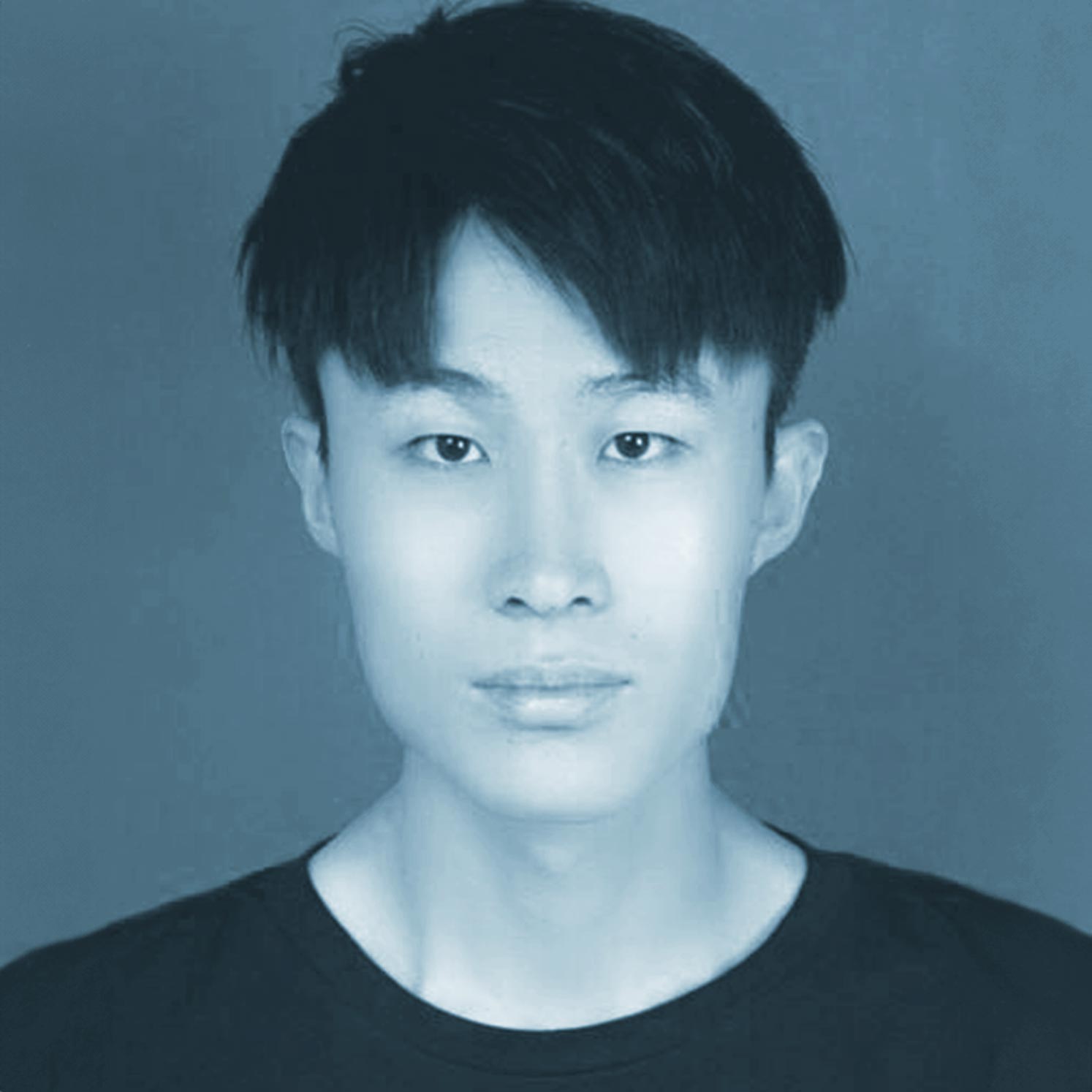
Ziyang Zhang is currently a PhD student in the School of Computing and Communications at Lancaster University, supervised by Prof. Plamen Angelov. He is also an Associate Lecturer at Lancaster University. He was co-funded by the ESA Phi Lab under the project “Towards explainable AI for Earth Observation (AI4EO): a new frontier to gain trust into the AI”.
His research is primarily focused on Explainable AI, with a specific interest in remote sensing applications. More recently, he has been advancing his work by developing a semantic segmentation method tailored for flood mapping.
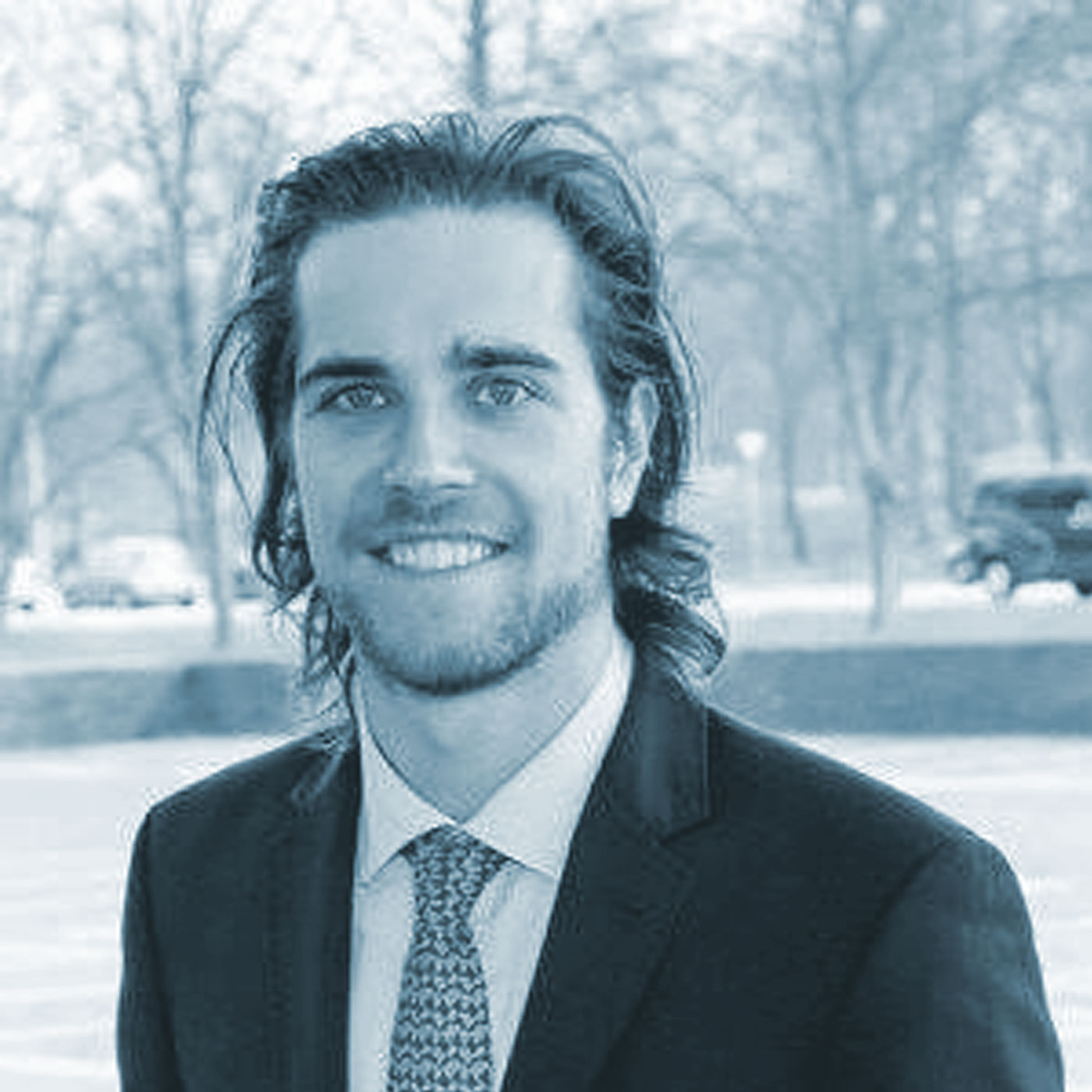
BSc, MSc. Electrical Engineering. Sentinel-1 and AI applications in the Arctic, permafrost. Monitoring, Greenland ice sheet and sea ice. Φ-Lab-activities: Deep learning for sea ice classification in the Arctic.
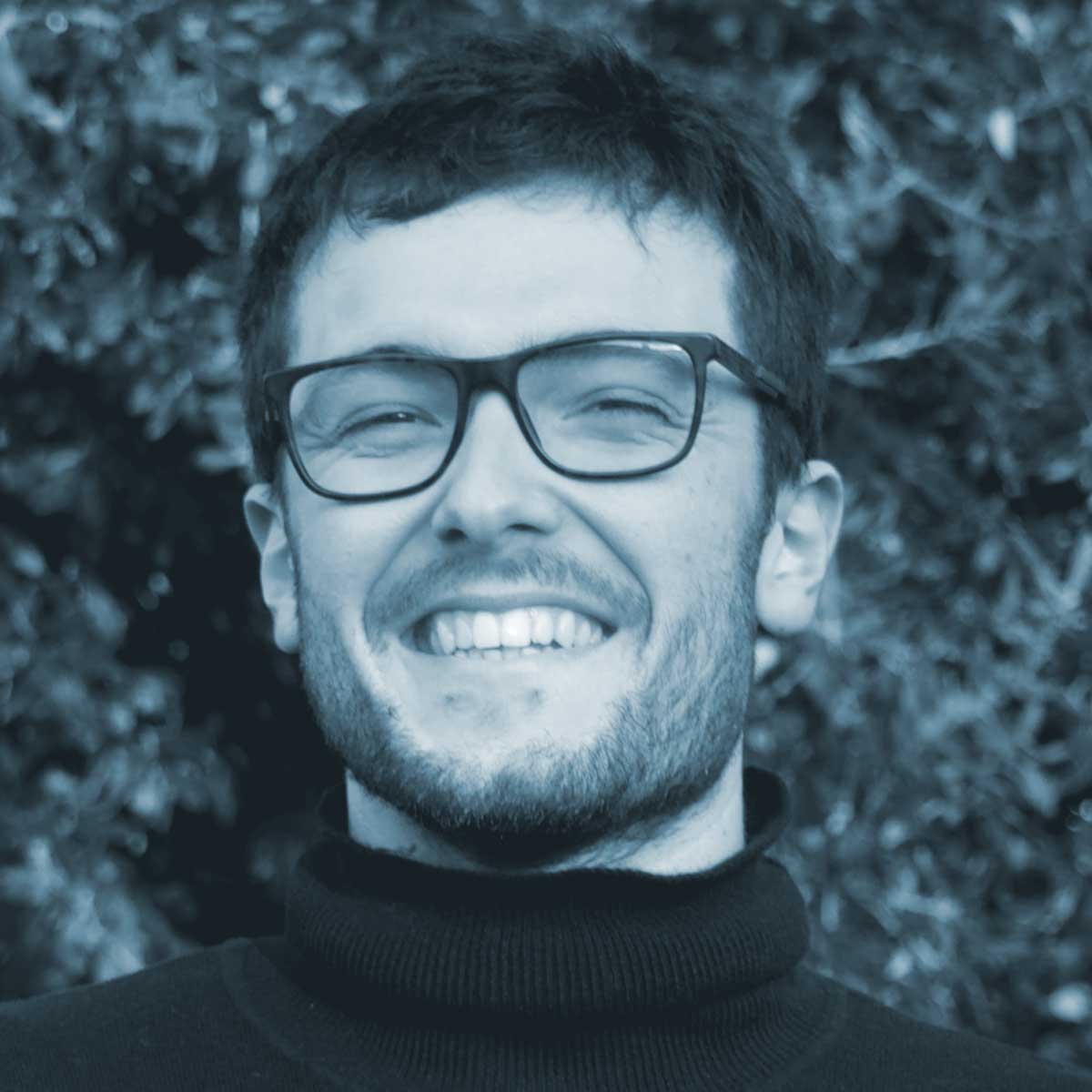
My passion is to connect machine learning, software best practices and available images in order to build useful applications for real-world challenges. In particular, my current role at Airbus is to explore unsupervised Machine Learning algorithms such as Deep Learning (DL), clustering methods and statistics
hypothesis to detect changes through time series.
My background is in Computer science. I have a MSc from the University of INSA of Lyon (France), where I specialised myself in computer science and data analytics. Then, I worked as an R&D engineer focusing on automated machine learning and natural language processing. However, I have always been attracted by space which is why I decided to join Airbus and the Φ-lab, where I am working on remote sensing images.
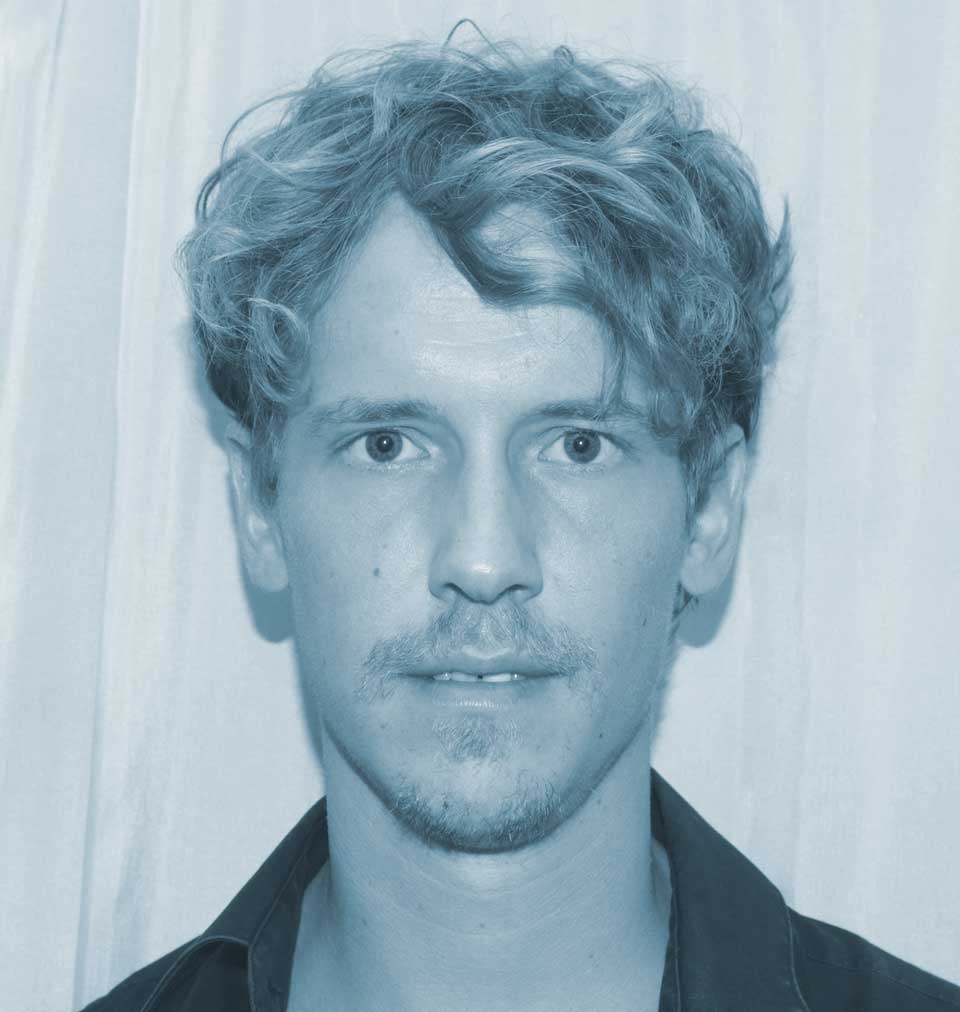
I am a Geoinformatician graduated from the Friedrich Schiller University in Jena, Germany, where I familiarised with various types of EO analytics and relevant GIS tasks for environmental monitoring. I carried out a PhD in Earth Science at the University of Pavia, Italy, combining advanced DInSAR and GPS measurements for the three-dimensional retrieval of tiny surface
deformation over tectonic faults. Working as a consultant at the UN-FAO, I integrated SAR processing routines for forest monitoring into the SEPAL platform.
As an Earth Observation Data Scientist with a strong background in radar remote sensing, I am investigating exploratory data preparation of Copernicus Sentinel-1 imagery and its impact on machine learning algorithms for land surface parameter retrieval. In this context, I am developing the Open SAR Toolkit (OST) for the automated production of high-level Analysis-Ready-Data (ARD) products. The aim is to provide a tool which will enable SAR newcomers to explore Sentinel-1 imagery across various application domains more easily. My thematic focus centres on supporting the UN’s Sustainable Development Goals through the exploration of radar time-series, ranging from simple land cover classification to more advanced subjects such as forest damage assessment, the mapping of palm oil plantations, tree cover and biomass estimation as well as crop type detection.

