


Patrick Ebel is Internal Research Fellow at ESA. Before joining Φ-lab, Patrick conducted research on keypoint matching for photogrammetry, multi-sensor satellite image reconstruction and change detection for Earth observation. He received his MSc degree in Artificial Intelligence from Radboud University Nijmegen and his PhD degree in Remote Sensing from Technical University of Munich. His scientific interests are in utilizing machine learning and globally deployed sensors to monitor our planet, in order to predict and respond to its changing environment at any place and point in time. With Φ-lab, Patrick’s research focus is on anticipating the effects of extreme weather situations and enabling timely action to counter natural disasters.
Archives: Team
Paul Borne Pons
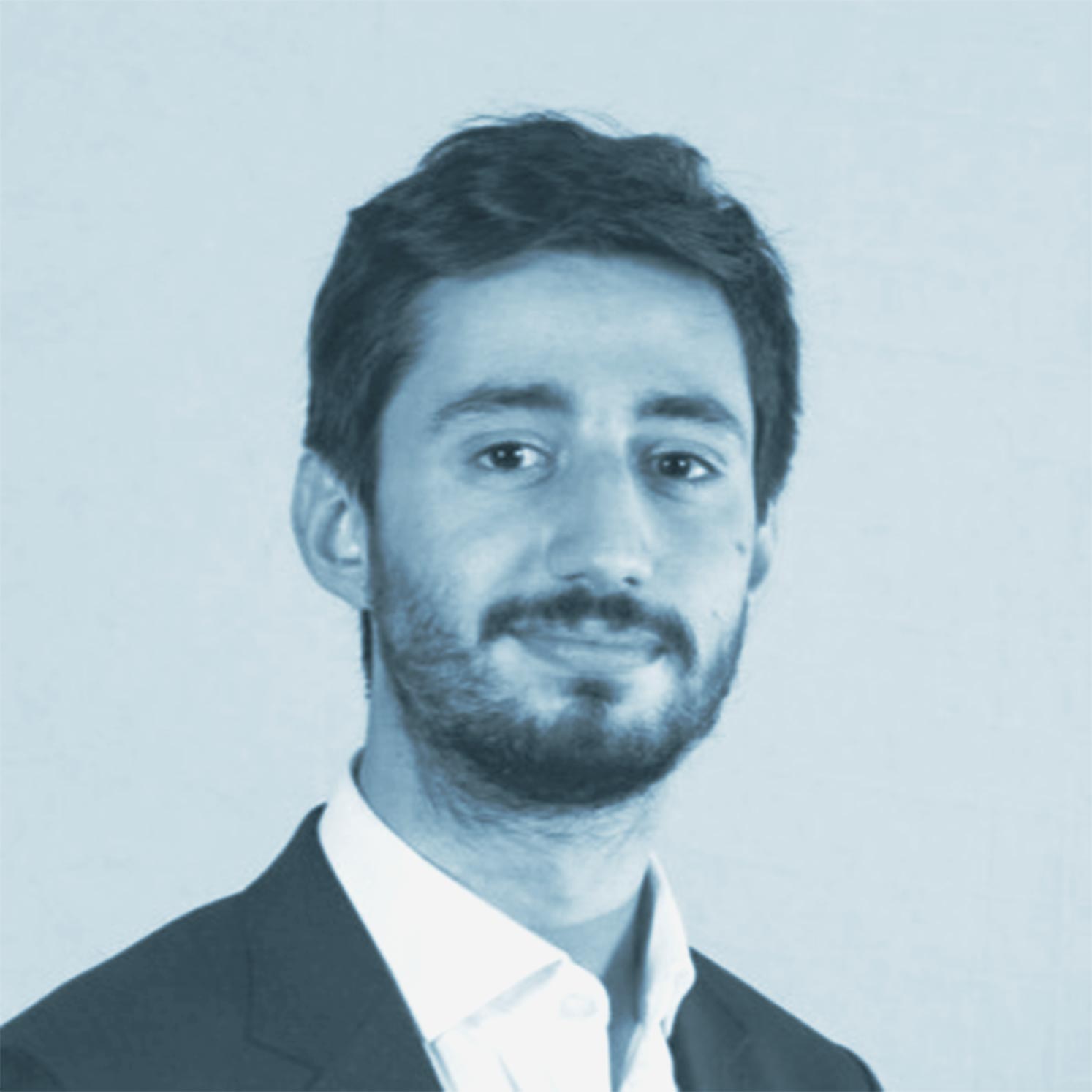
I am a French master student in Applied Mathematics at CentraleSupélec and ENS Paris Saclay. I’m currently doing my master thesis on terrain modeling using diffusion models and remote sensing data at Adobe Research Paris. I’ll join the Phi-Lab during the month of June to work with Nicolas Longepe and Mikolaj Czerkawski on this project. So far, my work experience consists in two research internships I did during a gap year, one in ML for Health and one in ML for disaster monitoring working on segmentation of remote sensing data and weakly supervised learning.
Apart from that I’m quite enthusiastic about music and cinema and I like to take photographs (digital and film) during my free time
Pejman Nejadi
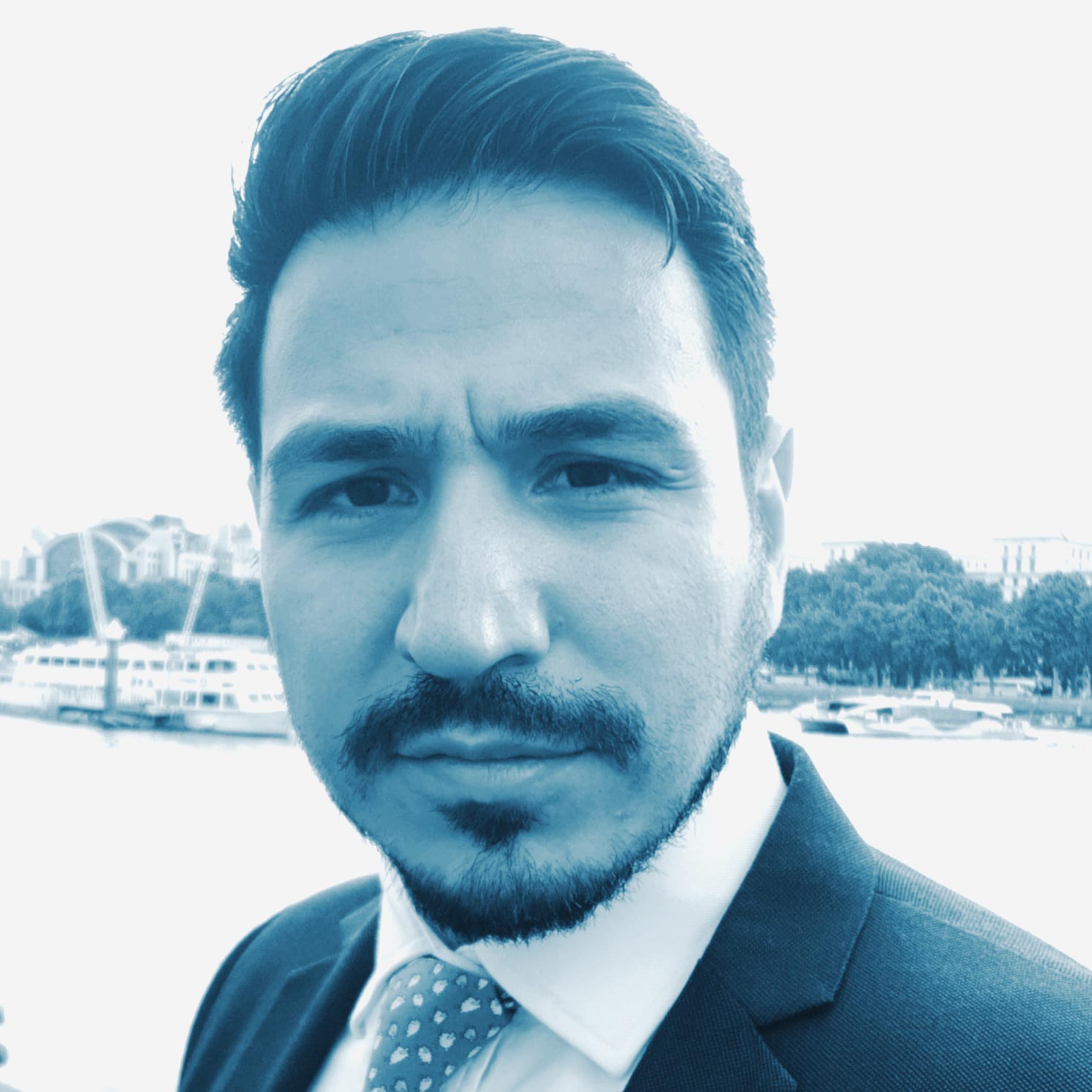
I hold an Astronautics Engineering degree (Masters – MEng) from Kingston University London.
I have held several positions at Surrey Satellite Technology Ltd [subsidiary of Airbus Defense], ranging from AIT, Systems Engineering to EO Business Line Management. I have worked on missions such as Galileo, CHEOPS, SAOCOM-CS, ADS-1B to name a few and have been the technical lead on CARBONITE-2 mission and UK-GNSS constellation feasibility study.
In January 2021 I joined a start up called In-Space Missions and was the technical lead for the flagship programme called Titania. This mission is delivered to Defense Science & Technology Lab in the UK (MOD) and is a demonstrator hosting a laser terminal for Free-Space Optical Communication (10Gbps Downlink rates) and a range of Software Defined Radios for ISR.
I have recently joined phi-lab invest office and will be involved with InCubed EO investment activities.
Peter Naylor
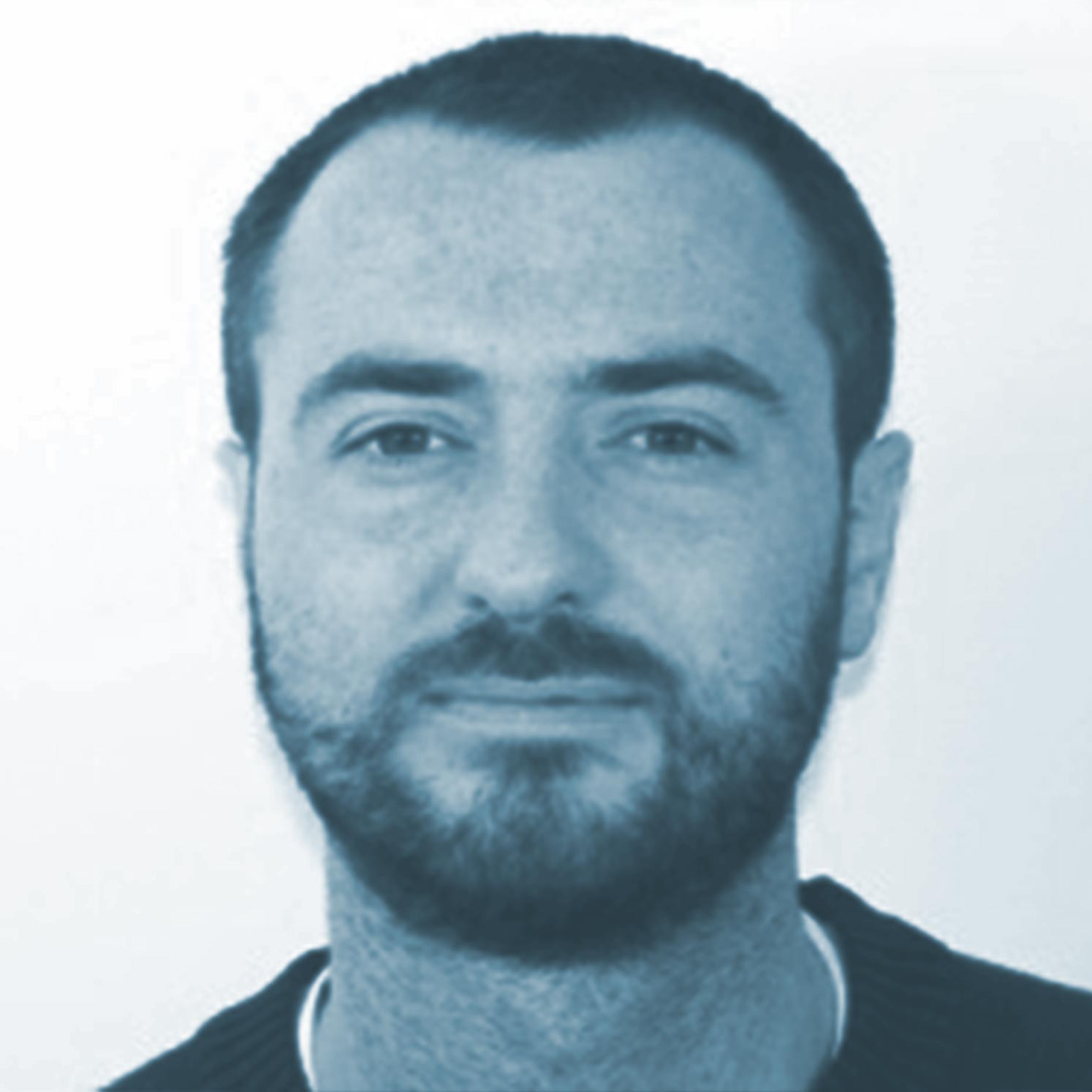
I am a post-doctoral researcher in computer vision and would describe myself as a “deep learner”. My interests are the development of statistical, machine learning and deep learning models for real-world applications. I am particularly interested in modelling complex, low-sampled and high-dimensional data. My past research has led to applying traditional and modern image analysis to large 2D images (>60GB when uncompressed), 3D imaging, video and LiDAR data. Using my research for these goal-oriented projects and tackling inherent difficulties in the data has led me to build a keen interest in transfer learning and learning from imperfect and noisy data, including weakly supervised and self-supervised learning.
I have a background in theoretical statistics and computer science. I completed my PhD in Bio-informatics in 2019 from Mines ParisTech. I completed my first post-doctoral research program in the High-Dimensional Statistical Modelling Team at Kyoto University.
Piera di Vito
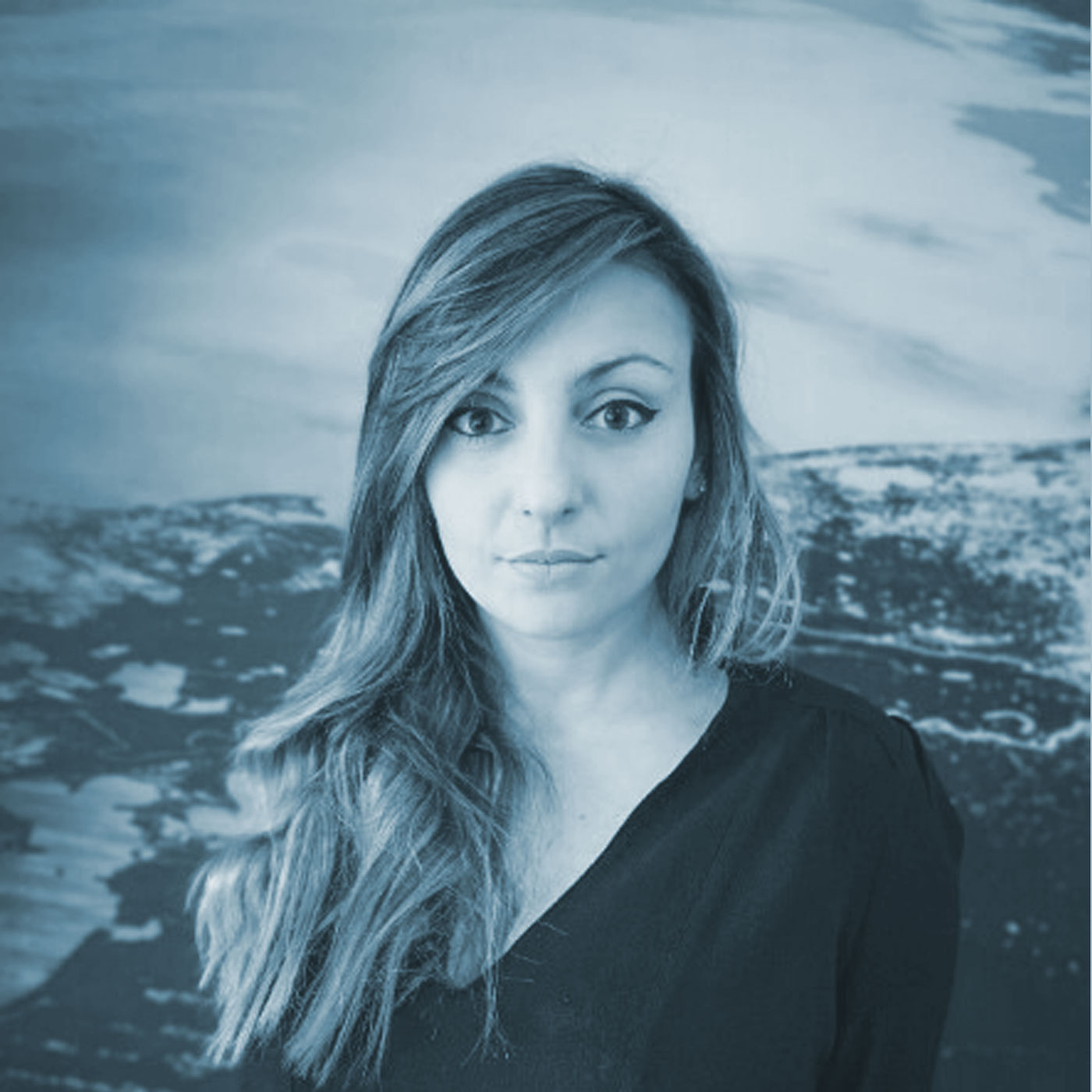
Piera Di Vito works in the Φ-lab Invest Office part of the team of the new Investment in Industrial Innovation (InCubed) Earth Observation programme at ESA-ESRIN in Italy. Previously she worked for the ESA Business Applications and Space Solutions Department in the Telecommunications and Integrated Applications Directorate in ESA-ECSAT in UK. She worked to support industry to develop sustainable downstream services in several domains which are based on the utilisation of at least one space asset. Piera previously worked at Inmarsat in London, and at IDS in Rome. She started her career as trainee in the Directorate of Technology Engineering and Quality, ESA-ESTEC in The Netherlands. She obtained her MSc in Telecommunications at the Universita degli Studi di Roma di Tor Vergata.
Pierre-Philippe Mathieu
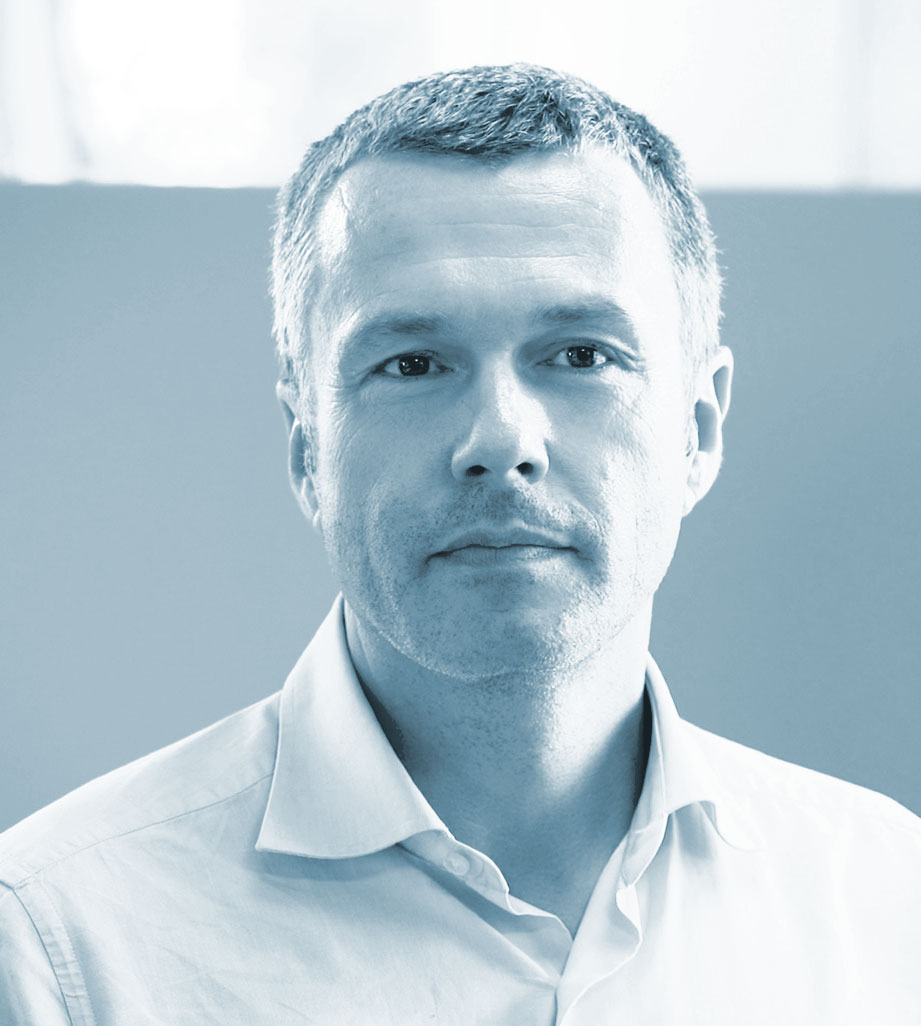
My passion is to connect the power of high-tech, data, ideas and people together to address global environmental challenges facing our planet, such as climate change. In particular, my current role as Head of the Φ-lab Explore Office is to explore the potential of new digital and transformative technologies, such as AI, in mining the large amount of data sets delivered routinely by EO satellites orbiting our planet. This role presents the unique opportunity to lead a small team of researchers at ESA in developing a suite of use cases, capacity and open tools with AI and EO – helping to shape the future of EO for the benefit of science and decision-makers.
My background is in Earth Sciences. I have a degree in mechanical engineering and an MSc from University of Liege (Belgium), a PhD in oceanography from the University of Louvain (Belgium), and a Management degree from the University of Reading Business School (UK). I bring an expertise of over 20 years of work in environmental monitoring and modelling, across disciplines from remote sensing, modelling up to weather risk management.
Piotr Gawron
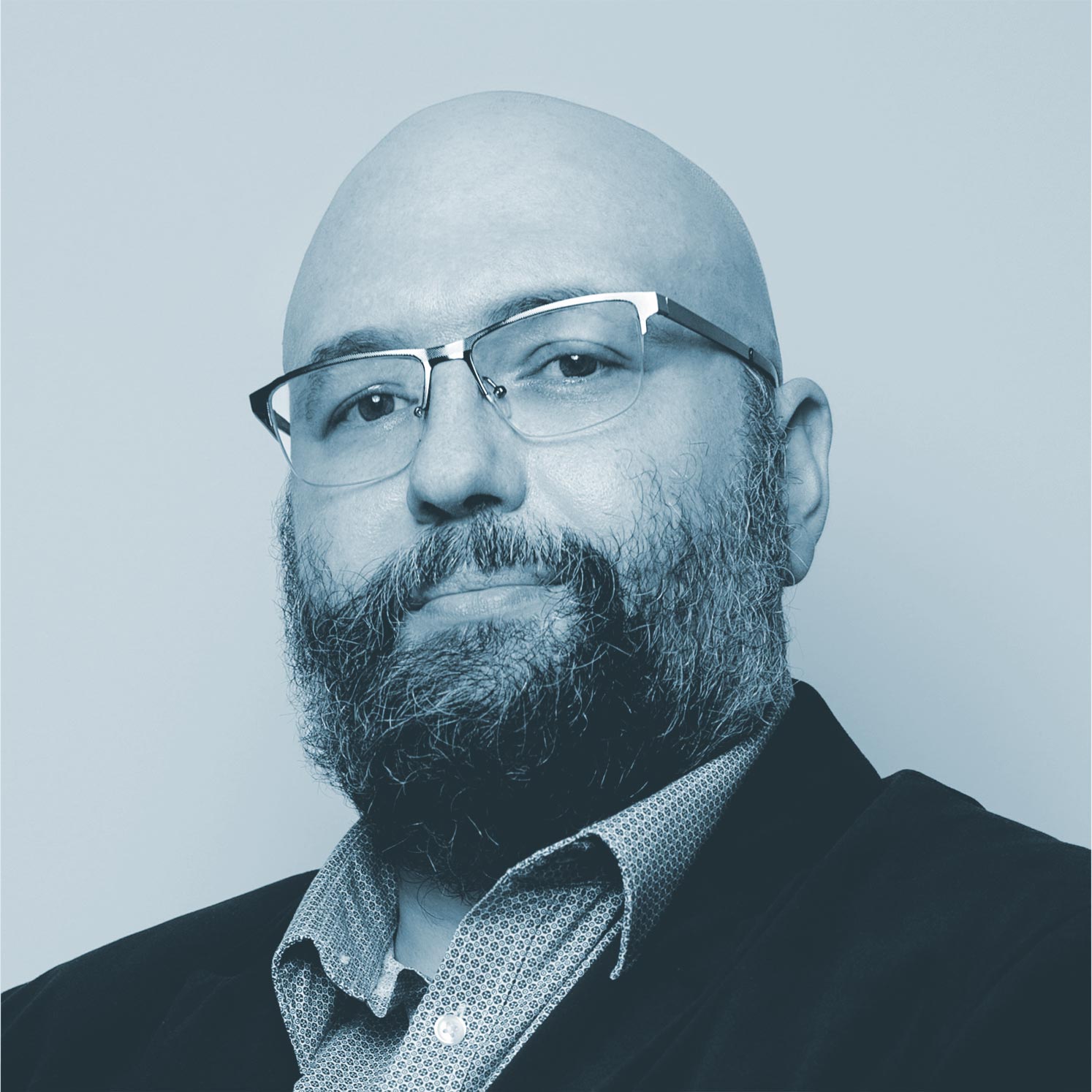
Piotr Gawron received his magister title in computer science from the Silesian University of Technology, Gliwice, Poland, his doctoral degree in technical sciences from the Institute of Theoretical and Applied Informatics, Polish Academy of Sciences, Gliwice, Poland, and his habilitation degree from the faculty of Automatic Control, Electronics, and Computer Science from the Silesian University of Technology in 2003, 2008, and 2014, respectively. He is leader of the Scientific Computing and Information Technology Group and institute professor at the Particle Astrophysics Science and Technology Centre (AstroCeNT) International Research Agenda, Nicolaus Copernicus Astronomical Center of the Polish Academy of Sciences. He is also the main specialist — software developer at the Laboratory of Quantum Computing of the Academic Computer Centre Cyfronet AGH, Cracow, Poland. For eighteen years, he was a member of the Quantum Systems of Informatics Group at the Institute of Theoretical and Applied Informatics of the Polish Academy Sciences in Gliwice, Poland. He has been involved in quantum computer science research since the fourth year of his university studies. Previously, he was engaged in research on quantum games, quantum walks, simulation of noisy quantum computers, quantum programming languages, quantum control, numerical shadows, and tensor networks. Currently, he is studying applicability of quantum machine learning for Earth-observation imagery data processing, applications of quantum and classical machine learning techniques for gravitational waves, and dark matter detection.
Quentin Paletta
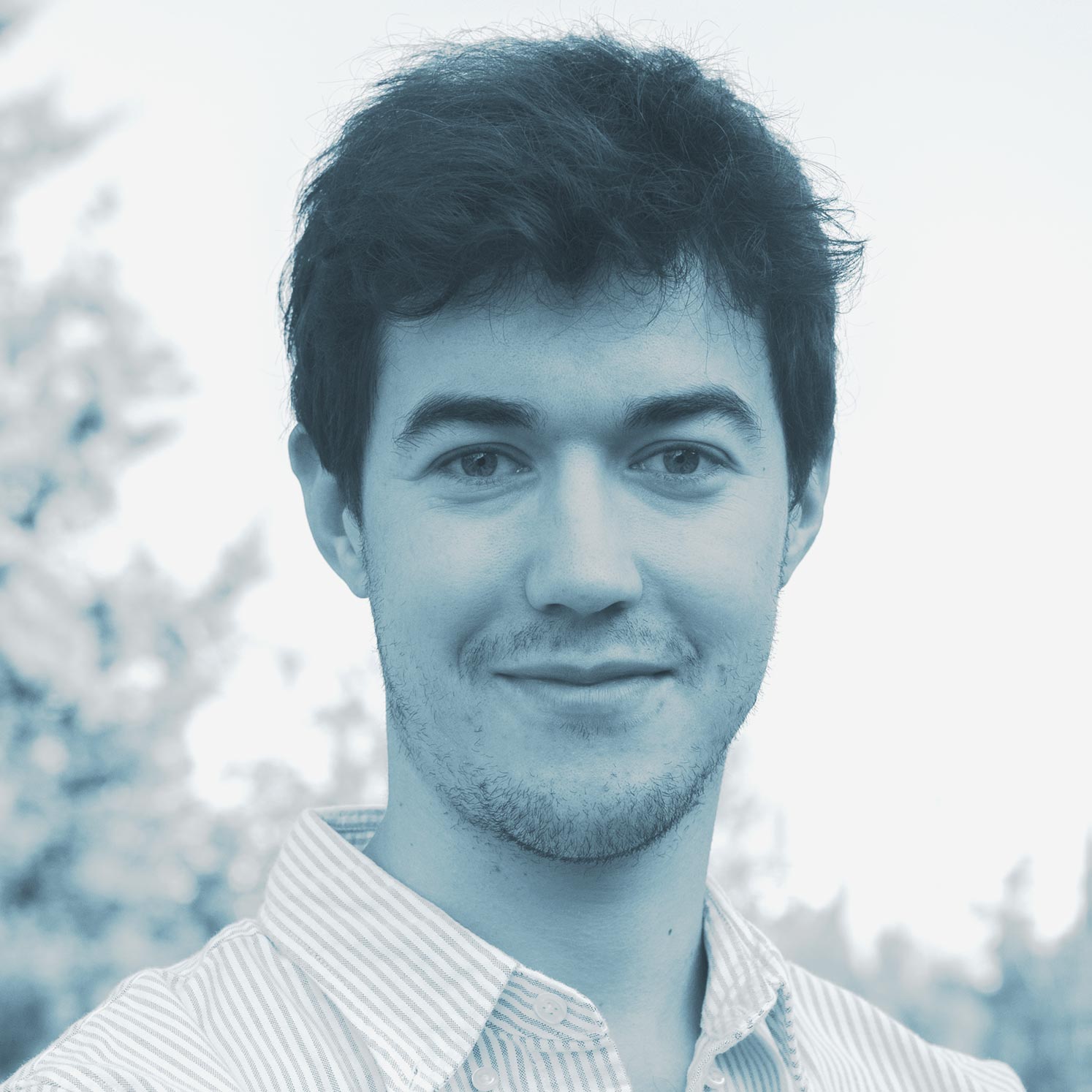
Quentin Paletta is an ESA research fellow in AI and the use of Earth Observations for Climate. His research focuses on predicting the impact of weather on solar power production at different spatio-temporal scales (local and regional, from minutes to hours in the future). This aims at accelerating the transition towards renewable energy sources by addressing the inherent variability of solar energy caused by meteorological influences such as aerosols and clouds. More specifically, his work involves developing short-term solar forecasting methods based on cloud cover observations from geostationary satellites or ground-level sky cameras. His research interests include power systems, weather forecasting, remote sensing, machine learning, image and video analysis.
In 2023, Quentin obtained his PhD from the Engineering Department of the University of Cambridge (UK). His thesis on solar energy meteorology was conducted in collaboration with ENGIE lab CRIGEN (France). Previously, he received a MSc from CentraleSupélec engineering school (Paris-Saclay University, France) and an MPhil in Energy Technologies from the University of Cambridge.
Rachael Laidlaw
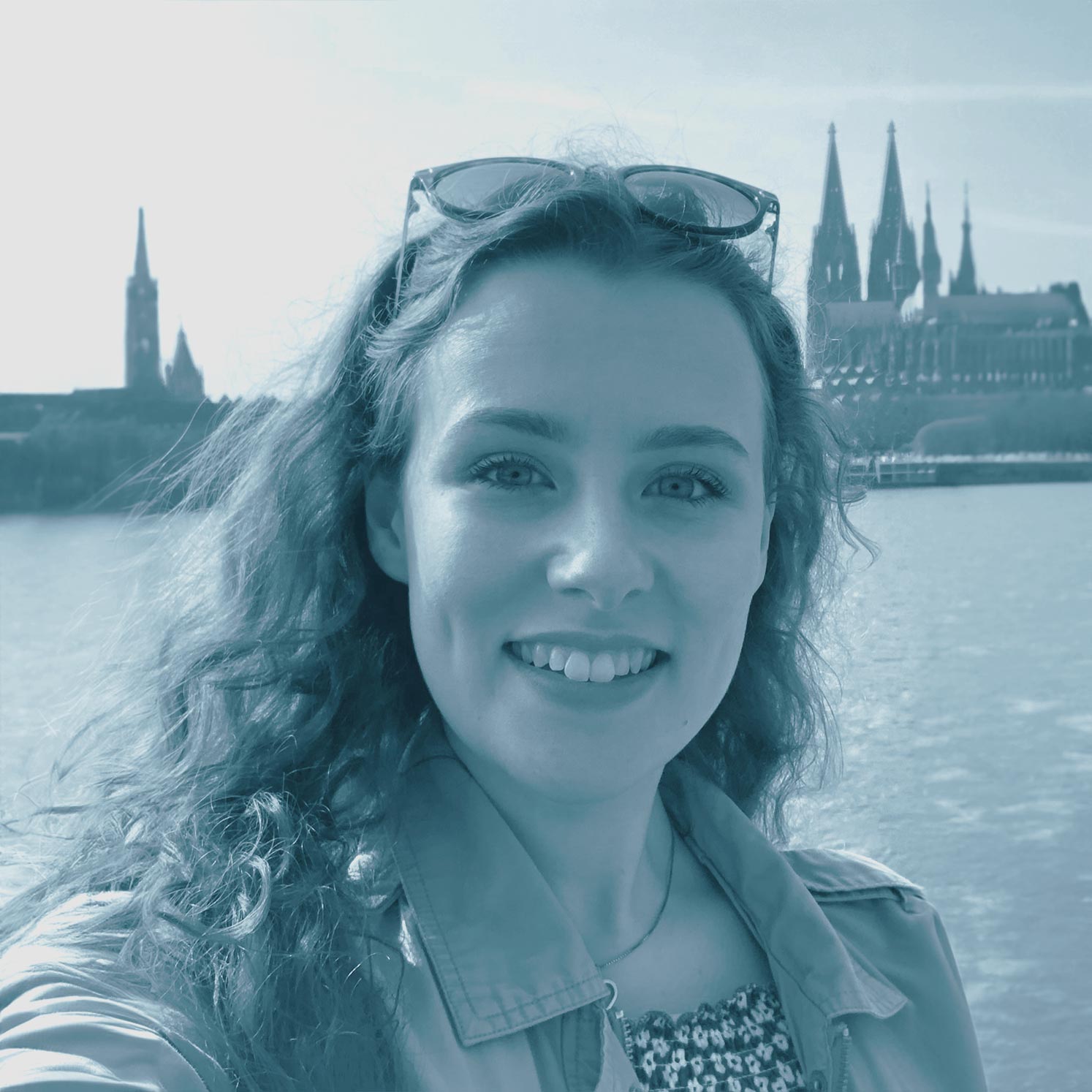
Rachael Laidlaw is a PhD student in artificial intelligence at University of Bristol, UK. Her research focuses on ecological applications of computer vision – in particular, using transfer-learning approaches in order to fine-tune classification models for the automatic detection and monitoring of data-deficient animal species from camera-trap images taken in the wild. She graduated with distinction from the MSc Statistics course at University of Leeds, UK, in 2022, after obtaining a first-class joint-honours undergraduate degree in Mathematics and German from Lancaster University, UK.
Whilst based on-site at the Φ-Lab, Rachael is working on extracting environmental insights at scale from satellite imagery in the marine domain. She is interested in AI-assisted conservation of nature and uncovering new information about the animal world through the effective utilisation of freely accessible data.
Rafael Kargren
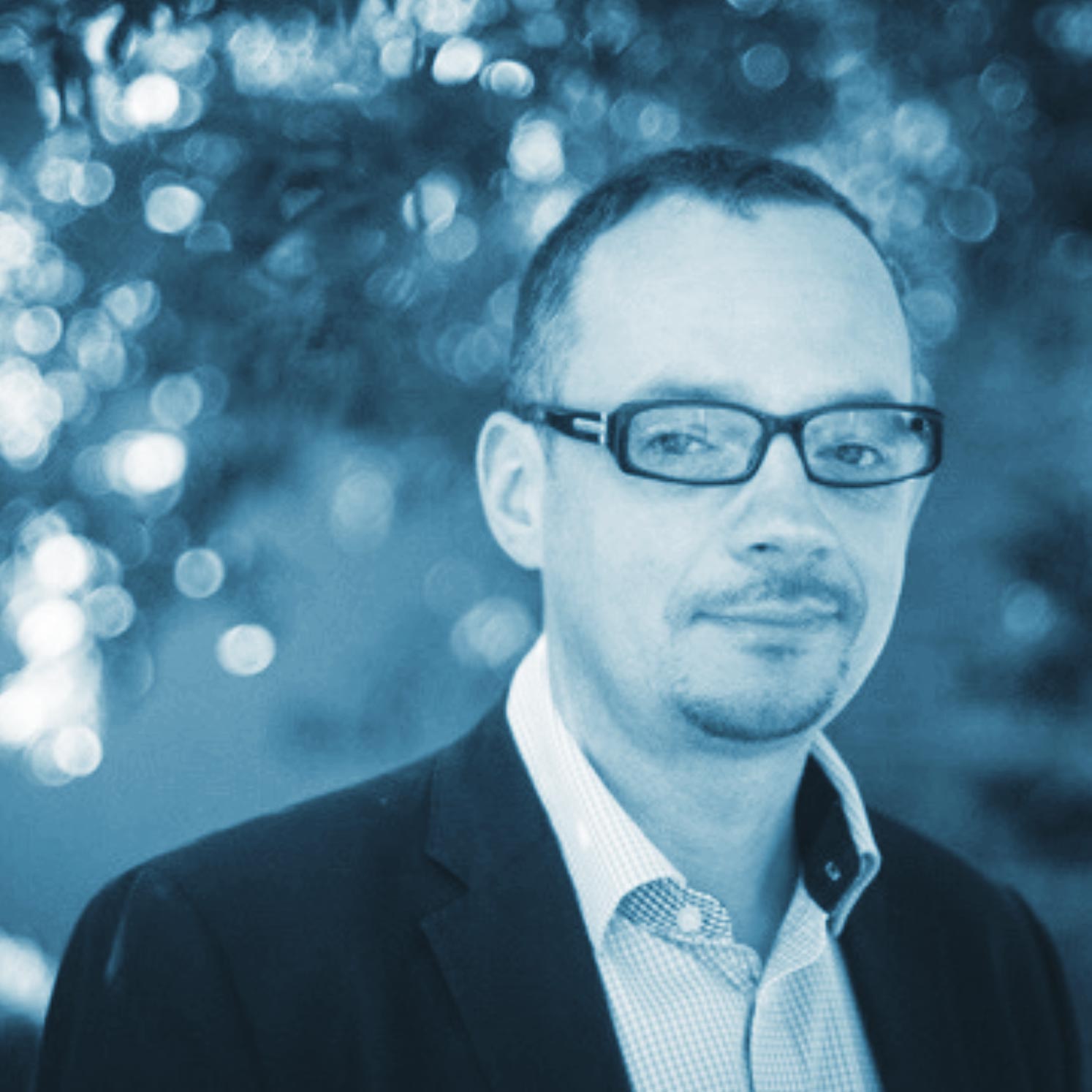
Rafael has extensive background and career in the space industry spanning from ground communication systems to earth observation applications in global leading companies and institutions. Over the years, he has been working closely on many space projects with agencies around the world including NASA, JAXA, ISRO, Australian Space Agency and number of commercial companies such as Planet, Maxar, IceEye, Capella. He has established RocketLab and created national Centre for Space, Science and Technology Institute in New Zealand and Earth Observation Institute in Australia.
He is an accomplished professor, board member, and consultant, who leads transformational digital change. Lately he has been working extensively in the area of AI/ML and digital innovation utilising innovative technologies to analyse Earth Observation data helping organizations leverage new opportunities through AI analytics helping solving problems in agriculture, forestry, utilities and maritime surveillance.
Rafael has been also playing critical role in developing and shaping Earth Observation strategy in many countries and has been involved in implementation of national earth observation data centres and information management systems for initiatives such as Open Data Cube, Copernicus Data Hub and Digital Earth Australia. He is actively involved in many international EO communities and initiatives to improve humanitarian actions and disaster response.