Fabio is an Associate Professor teaching courses on Remote Sensing and Applied Electromagnetism in various Master and PhD Programs, at the University of Rome “Tor Vergata” (Italy). His main research topic is focused on the use of Machine Learning approaches for image processing and for the retrieval of geo-physical parameters from EO data.
Fabio Del Frate received his MSc degree in Electronic Engineering and the PhD degree in Computer Science from the University of Rome “Tor Vergata” (Italy).
Federico Ricciuti received the B.Sc. in Computer Science from the University of Milano-Bicocca in 2017 with a thesis about the application of Reinforcement Learning and Inverse Reinforcement Learning techniques for the analysis and surveillance of Stock Markets. In 2019, during his M.Sc. in the University of Milano-Bicocca, funded by the Erasmus program, he worked in collaboration with the University of Cambridge and the Wellcome Sanger Institute in the development of new Deep Learning and Variational techniques to improve the analysis of scRNA-seq datasets. In 2020, with a Data Scientist role, he joined Eni S.P.A where he worked in the development of Deep Learning and Machine Learning methods for the automatic interpretation of geological image to facilitate the petrophysical and geological characterization of wells and reservoirs and in the development of Natural Language Processing techniques to analyze complex documents and reports. Currently, Federico works in the R&D division of TRE ALTAMIRA as Machine Learning Specialist. He is working in the development of new Deep Learning models to improve the analysis of Satellite Images and Graph Neural Network models for the analysis of Multimodal Temporal Point Clouds for the Mining, O&G, Civil Engineering sectors.
I had my bachelor education in Ghana where I performed a comparative study on the applicability of artificial neural network algorithms for predicting slope displacement in a mining site. I am currently having my PhD studies with focus on the use of AI and Earth Observation for monitoring rapidly shifting landscapes. As a visiting researcher, I am trying to explore the variety of earth observation datasets and AI techniques for analysing the relation between groundwater level changes and land surface elevation changes in an area.
Federico Serva holds a MSc in Physics from the University of Rome Tor Vergata
and a PhD in Environmental Sciences at the University of Naples Parthenope.
Since his PhD he has been working with climate model and EO data for
model evaluation and process studies within international research projects.
He has been a postdoc at the Italian National Research Council,
collaborating in Copernicus Climate Change Service activies,
especially on the evaluation of reanalysis and observational data and
the development of diagnostics.
He is joining Phi-lab as a joint postdoc with the Italian Space Agency to
work on the retrieval of parameters from hyperspectral imaging and
for studying extreme events using different data sources.
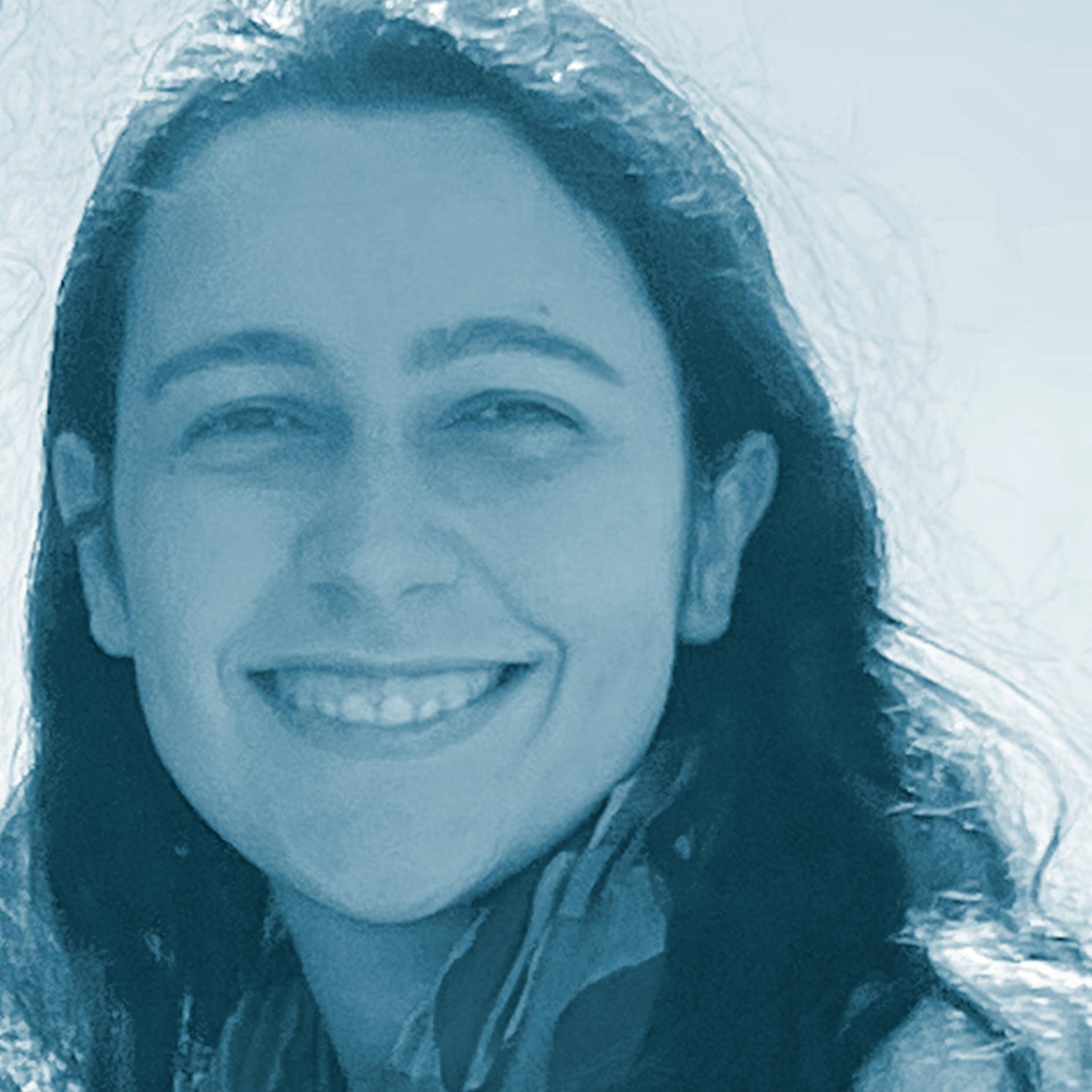
Born in Rome in 1999, she obtained a bachelor’s degree in Electronic Engineering cum laude in 2021 from Sapienza University of Rome and she is currently completing a master’s degree in Electronic Engineering specializing in machine learning from the same university.
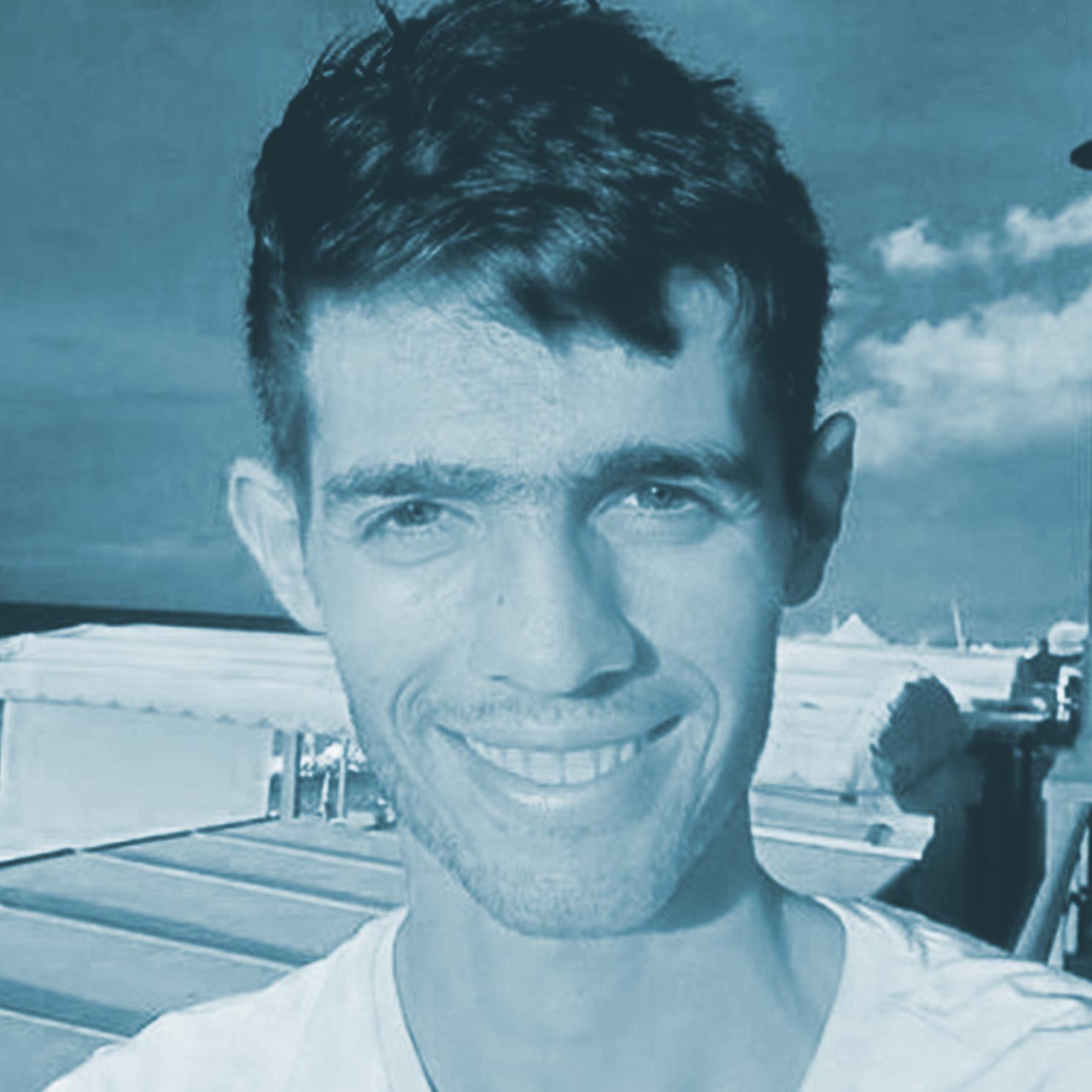
I am completing my master degree in “Artificial Intelligence and Robotics” at Sapienza University of Rome, and I hold a Bsc in “Information Technology” at the same university.
My research interests lie in the field of generative computer vision techniques, SLAM and scene reconstruction, and machine learning for sport applications.
I have further curiosity for geometric processing, Ar/Vr techniques and neuroscience.
During my stay at Esa, I will develop novel approaches for computer vision applied to Earth Observation.
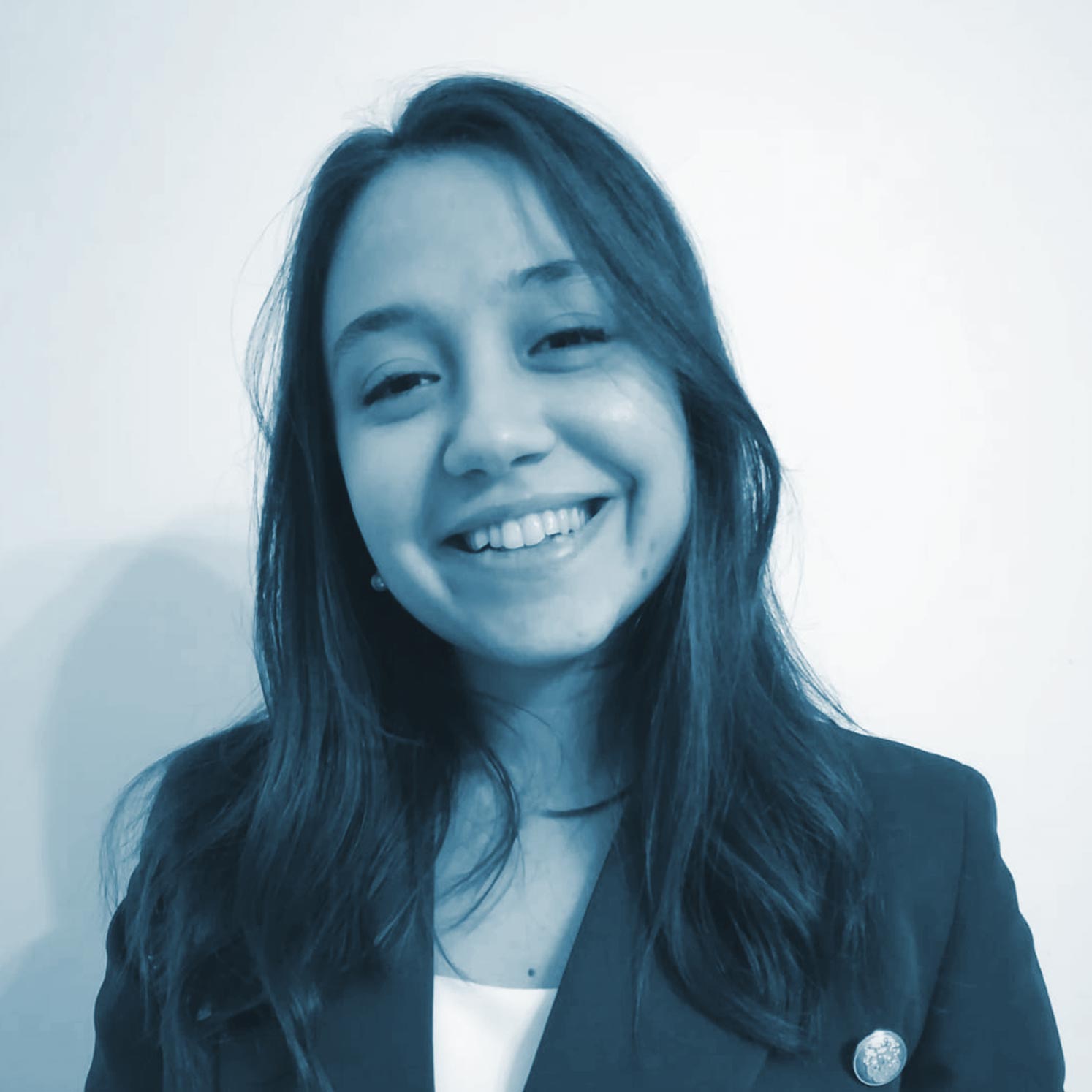
I am Francesca Razzano and I am pursuing a Ph.D. at the University of Parthenope, specializing in Information and Communication Technology and Engineering. My research focuses on Earth observation, leveraging Artificial Intelligence and satellite data for environmental monitoring. I specialize in water quality analysis, tracking contaminants with optical data, and have expanded into marine debris detection to overcome ocean pollution. I have also worked on onboard processing systems for near real-time contaminant tracking. Additionally, I develop AI-driven models using SAR and LiDAR data to estimate tree canopy heights, contributing to forestry management and biodiversity conservation.
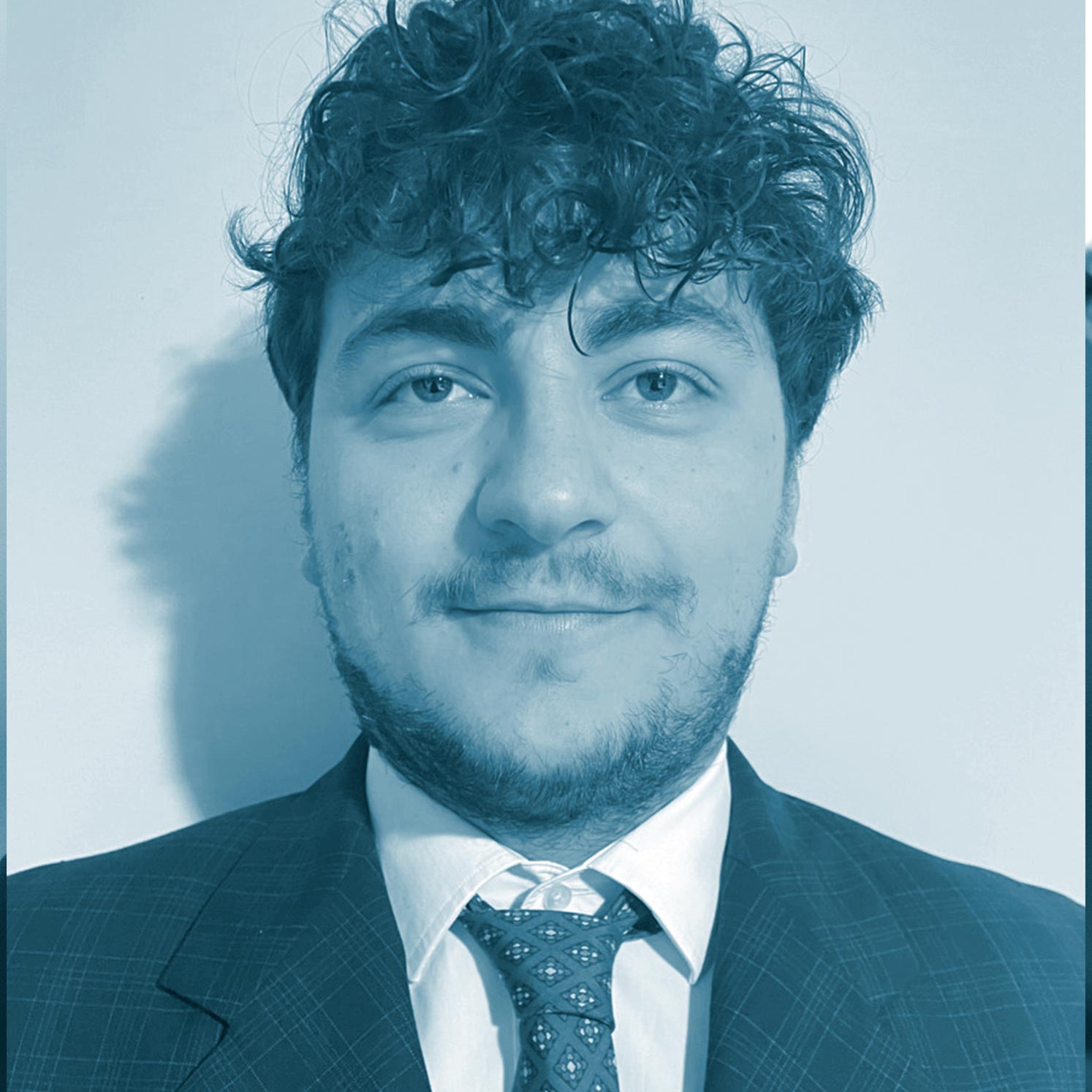
During my Bachelor program, I developed in-depth knowledge of Remote Sensing (RS) and AI-based techniques applied to Earth Observation (EO). I worked on a Decision Support System to stem the spread of pandemic events, to assist institutions and the so-called Decision Makers in implementing targeted countermeasures, and to counteract and prevent emergencies such as the COVID-19 pandemic.
As a Master student, I worked on advanced Processing Techniques applied to RS and I focused my research interest on being an active part in the fight against climate change. I evaluated its impacts on water resources through Deep Learning (DL) techniques, by considering the shrinkage of water availability due to the drought and by analyzing changes in water bodies over time. Recently, after starting my Ph.D., besides the study of ML-based and DL-based algorithms and AI models, I am moving my first steps in the emerging area of Quantum Machine Learning (QML) applied to RS for EO. I do not shy away from a challenge, instead I go out of my way to contribute to solving the greatest challenges of the 21st century. I strongly believe that there is no environment more stimulating than Φ-lab to do this.
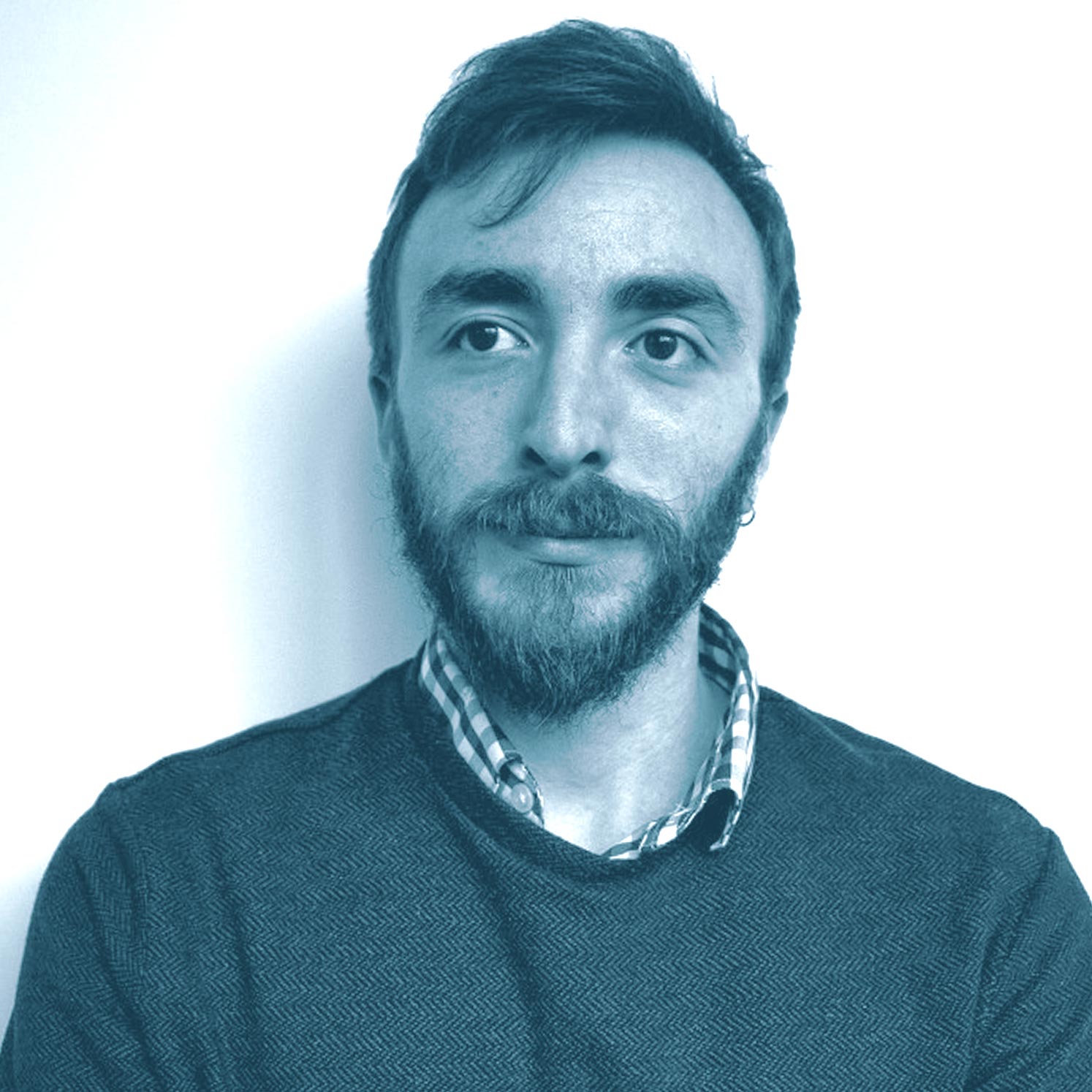
I was born 10/03/1994 in Polistena (RC). I graduated in Aerospace Engineering in 2016 and in Space and Astronautical Engineering in 2020 at University of Rome “La Sapienza”. I am currently a student of a Special Master degree course at the School of Aerospace Engineering where I also work as a research fellow at the Automation, Robotics and Control for Aerospace Laboratory (ARCALab). Thanks to the recent collaboration between ESA Phi-Lab and the School of Aerospace Engineering I was given the opportunity to write my Special Master thesis as a Phi-Lab visiting student. I am mostly interested In the application of Artificial Intelligence to space-based tasks such as object detection, feature recognition and autonomous navigation on planetary surfaces (Mars, Moon, asteroids).

Gabriele Cavallaro is the Head of the ‘‘AI and ML for Remote Sensing’’ Simulation and Data Lab at the Jülich Supercomputing Centre, Forschungszentrum Jülich, Germany and an Adjunct Associate Professor with the School of Natural Sciences and Engineering, University of Iceland, Iceland. He is also the Chair of the High-Performance and Disruptive Computing in Remote Sensing (HDCRS) Working Group of the IEEE GRSS ESI Technical Committee. His research interests cover remote sensing data processing with parallel machine learning algorithms that scale on supercomputing systems and cutting-edge computing technologies.

