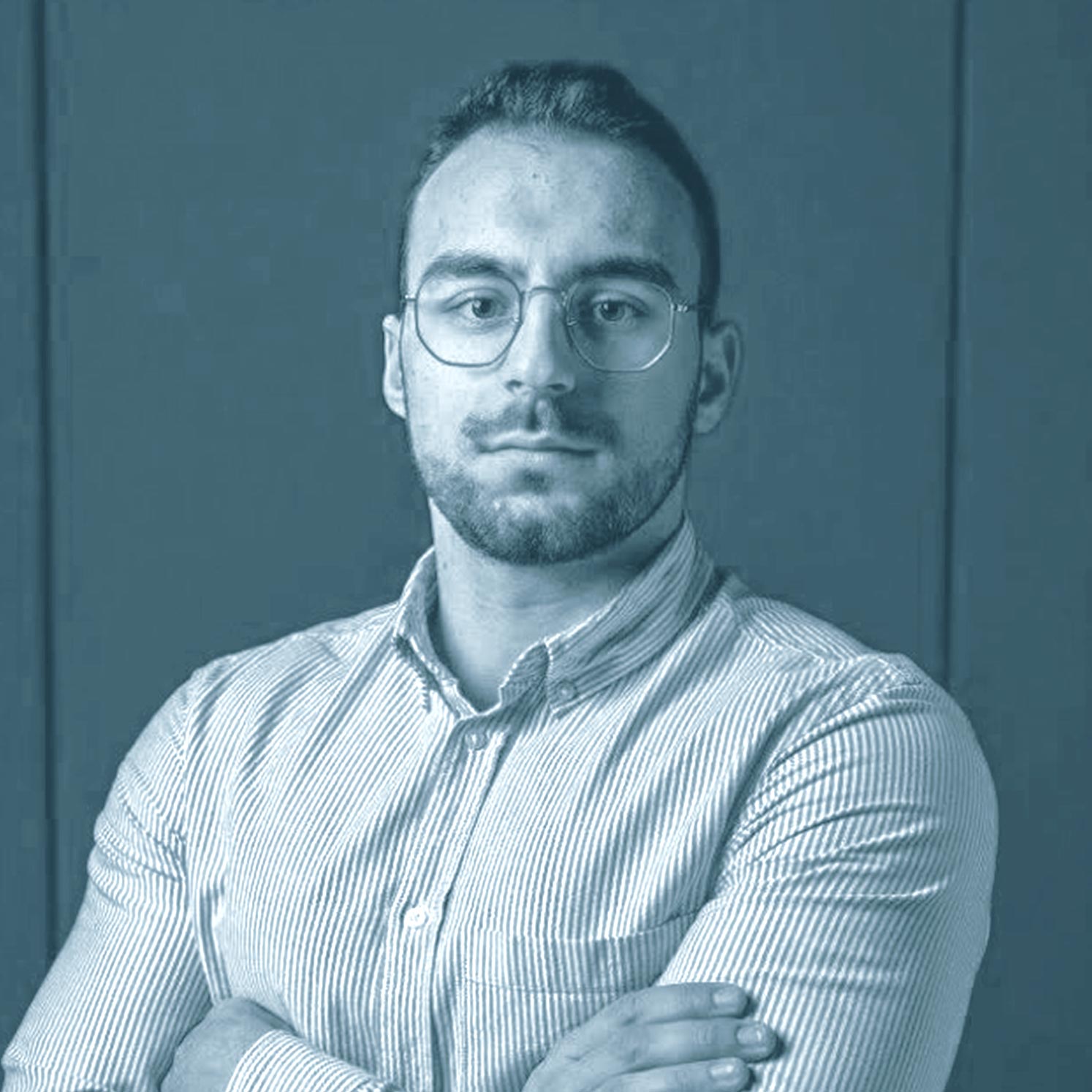
Cristopher is an Honors space systems engineering MSc student at Delft University of Technology. He is currently conducting his thesis on onboard AI thermal hotspot detection solutions using raw multispectral satellite imagery. The thesis involves developing an end-to-end payload processing pipeline for thermal hotspot detection and creating a segmentation dataset for identifying thermal events in raw multispectral imagery. This is a joint thesis research project with Delft University of Technology and Ubotica Technologies. Additionally, Cristopher has previous experience working with Ubotica Technologies on raw multispectral imagery processing.
Cristopher is interested in onboard AI solutions for CubeSats utilizing edge computing hardware, and he aims to pursue a PhD in this field of study
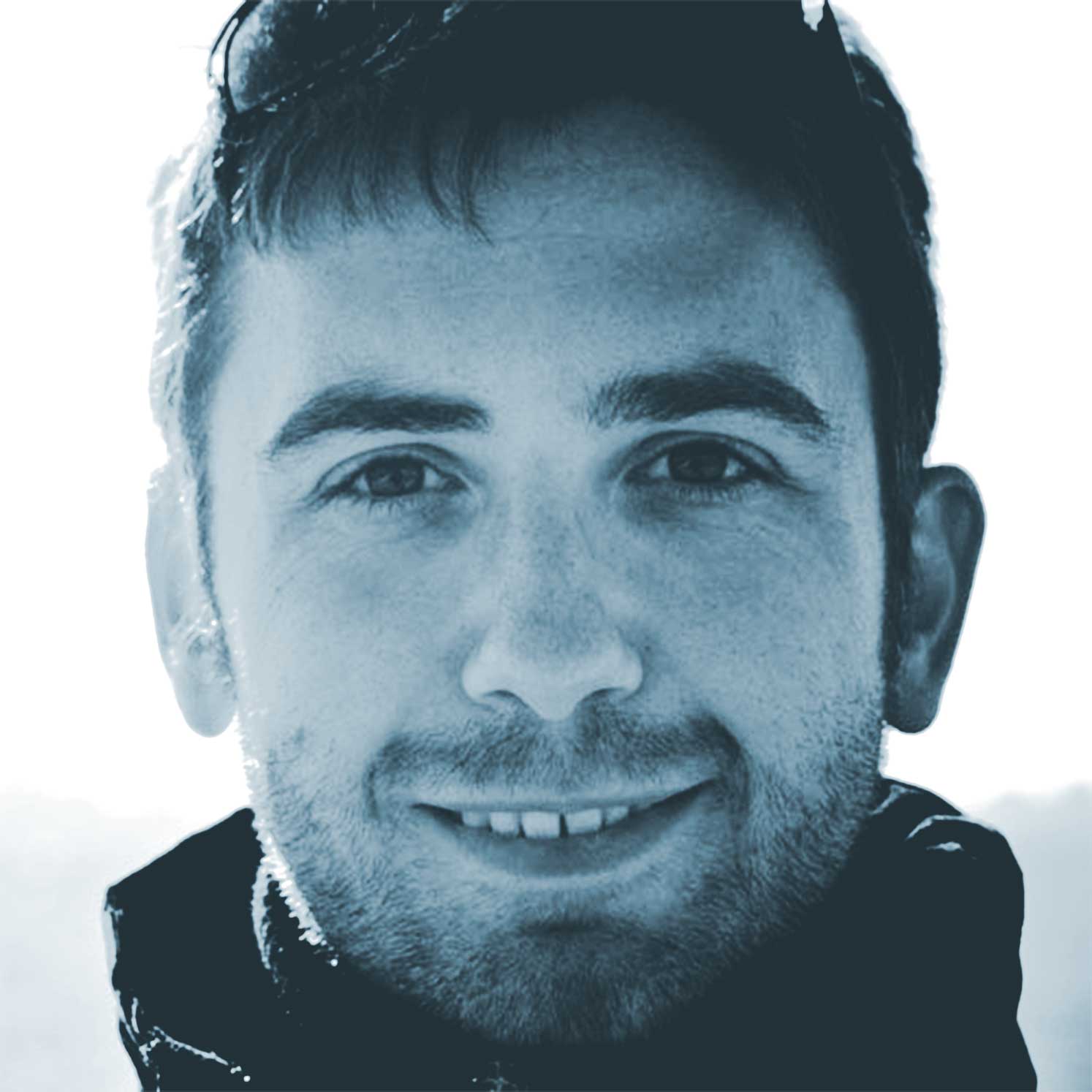
“I am an astronautical engineer graduated in 2007 at the University of Rome “Sapienza” with a specialization in astrodynamics and mission analysis. I shortly after joined the Guidance, Navigation and Control department of the DLR Institute of Space Systems in Bremen, where I mainly investigated non-conventional attitude control systems for solar sail missions. After a few years I came back to Italy as part of the GNC group of CIRA, where I developed guidance algorithms for re-entry applications and simulations tool for mission analysis and orbit and attitude dynamics. In 2017 I joined OHB Italy as program manager within the PRISMA mission, launched in 2019 for the Italian Space Agency. After the successful completion of the commissioning phase, I became PM of the PRISMA platform during the operations phase and I was responsible of several other projects (both in development and in flight) within the company.
Before joining ESA, I was employed as project manager and proposal manager by Civitanavi Systems, where I handled all the space related projects and the majority of proposals preparation for both aerospace and defense.
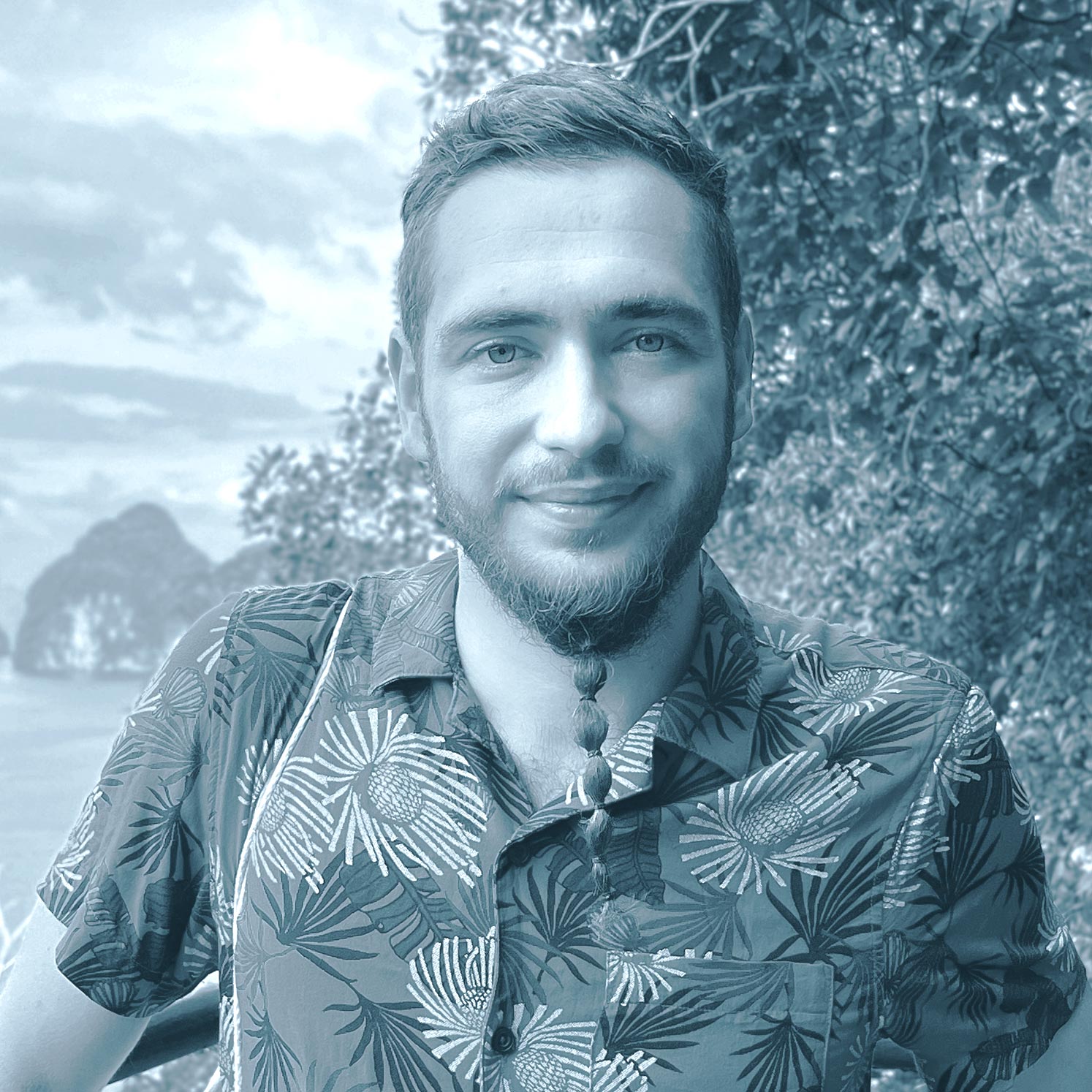
I received my Master’s degree in Remote Sensing, Geoinformatics and Cartography from Charles University in Prague. I am currently a PhD student at the same university and a member of the EO4Landscape research team, where my main focus is on the detection of forest changes from time series using Synthetic Aperture Radar (SAR) data. My main interests include monitoring forest disturbances (e.g. bark beetle calamities, forest fires) and their subsequent recovery. I am also interested in finding the relationship between radar backscatter and possible factors affecting it, including environmental and climatological influences. Overall, I am involved in my research team’s land cover research and in various educational activities promoting remote sensing and GIS at all levels of education from primary schools to universities.
In the Φ-lab, I will work on quantifying forest health using SAR data (primarily Sentinel-1) using machine learning and artificial intelligence to emulate standard vegetation indices for time series analysis of forest ecosystems. In addition, the analysis will include a comparison of different SAR frequencies over forested areas, especially L-band (SAOCOM) and P-band from aerial campaigns.
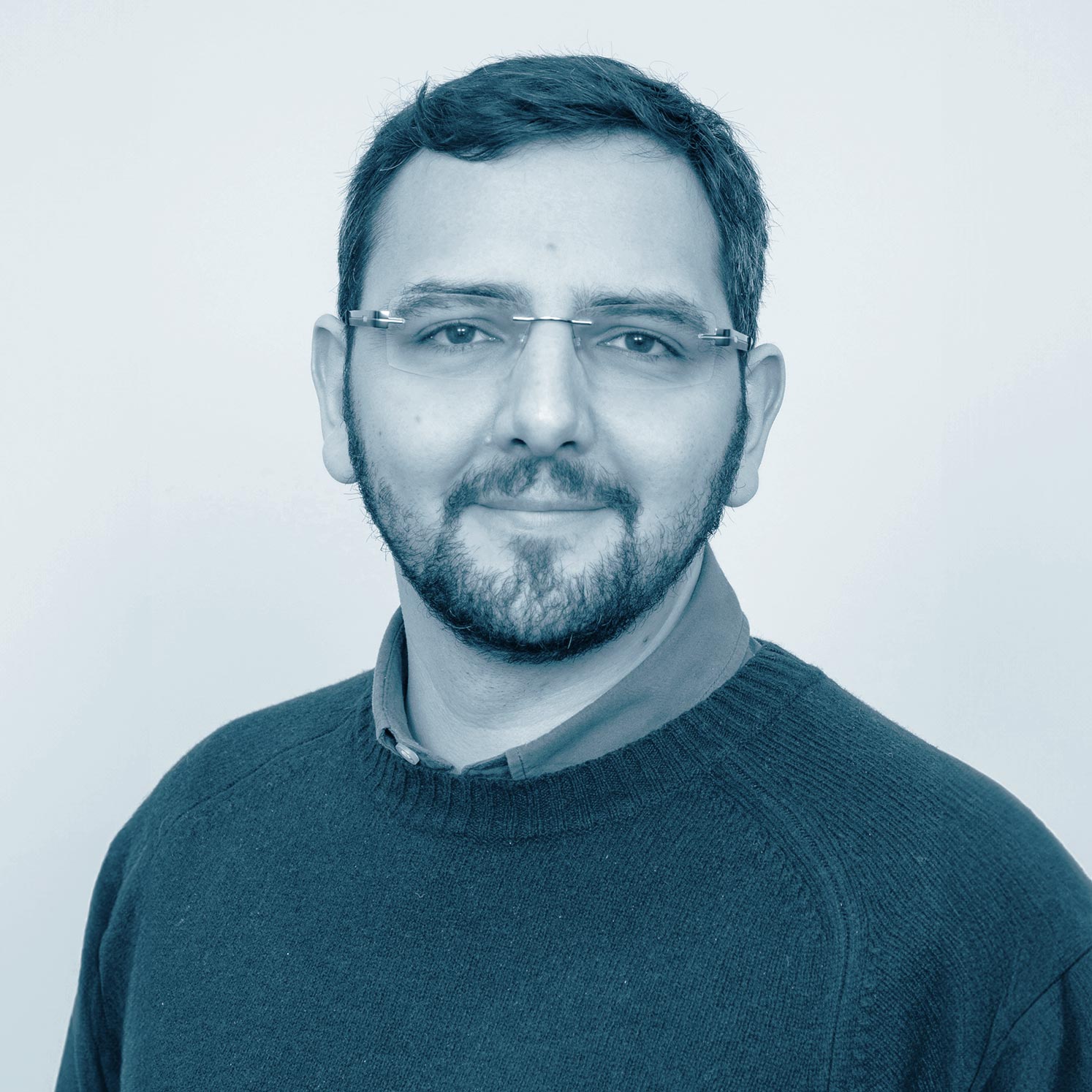
At the Austrian hail insurance, my role centers around leveraging Sentinel 2 and 3 satellite data to enhance agricultural assessments, particularly focusing on crop yield estimation. Concurrently, as a visiting researcher at the Φ-lab, I’m exploring the development of temperature-based time series for crop growth, aiming to advance beyond traditional calendar-based models. This initiative seeks to transform complex satellite data into actionable insights for both the insurance sector and farmers, aiding decision-making and promoting sustainable practices. My background as a geographer from the University of Vienna fuels my commitment to bridging the gap between scientific research and the practical needs of the agricultural community.
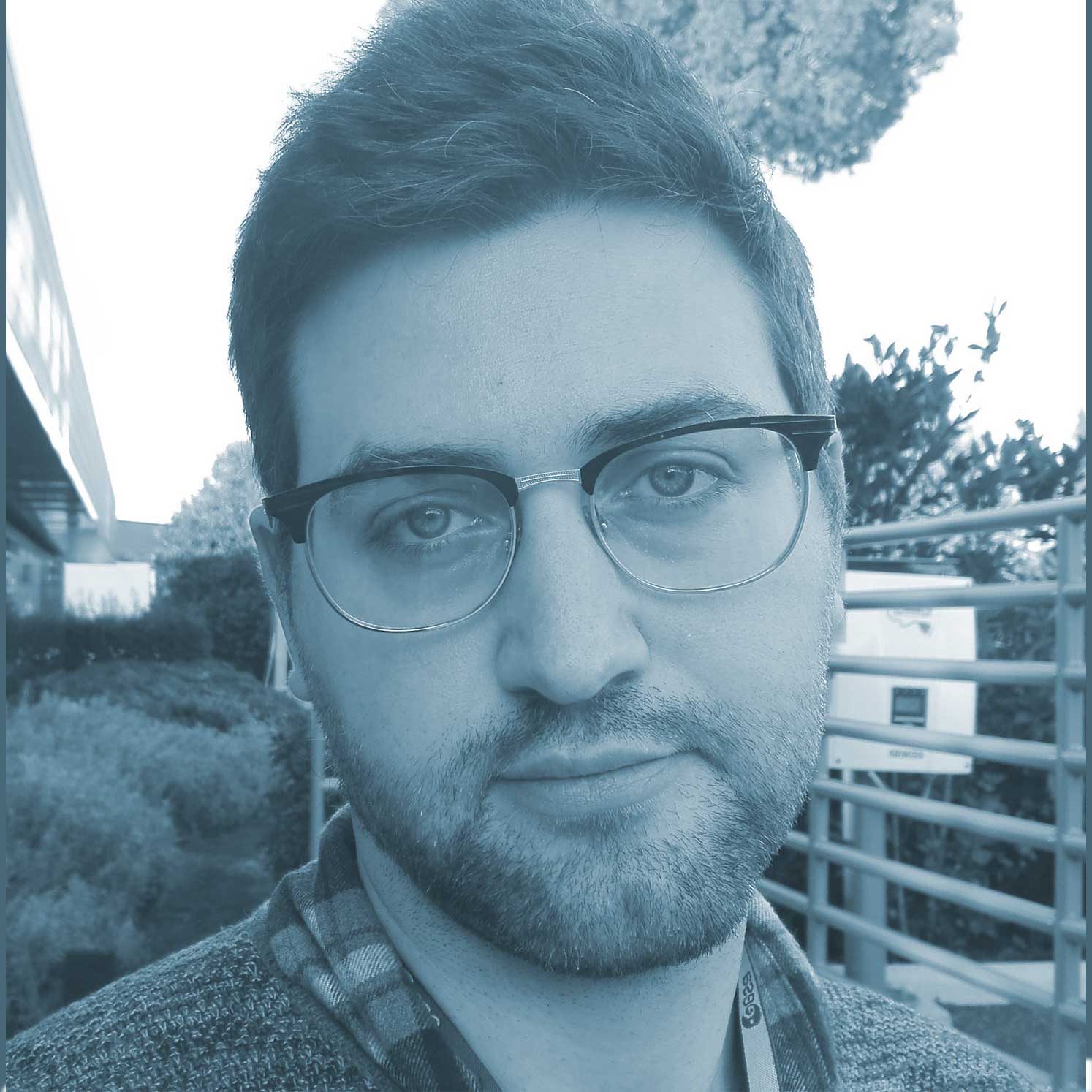
I am an aerospace engineer with research interest in artificial intelligence applied to different fields of the aerospace engineering field. With my PhD, I applied artificial intelligence techniques belonging to the family of metaheuristic optimization to solve optimal control problems for satellite maneuvers. At the Φ-lab, I have started studying applications of machine learning methodologies to remote sensing applications focusing on multi- and hyper-spectral images. Studying different applications, such as crop type mapping and wildfires detection, I have applied convolutional neural networks to Sentinel 2 multi-spectral images and PRISMA hyper-spectral images. Moreover, I took part in two projects related to AI for Heath, specifically related to Covid-19 and Dengue.
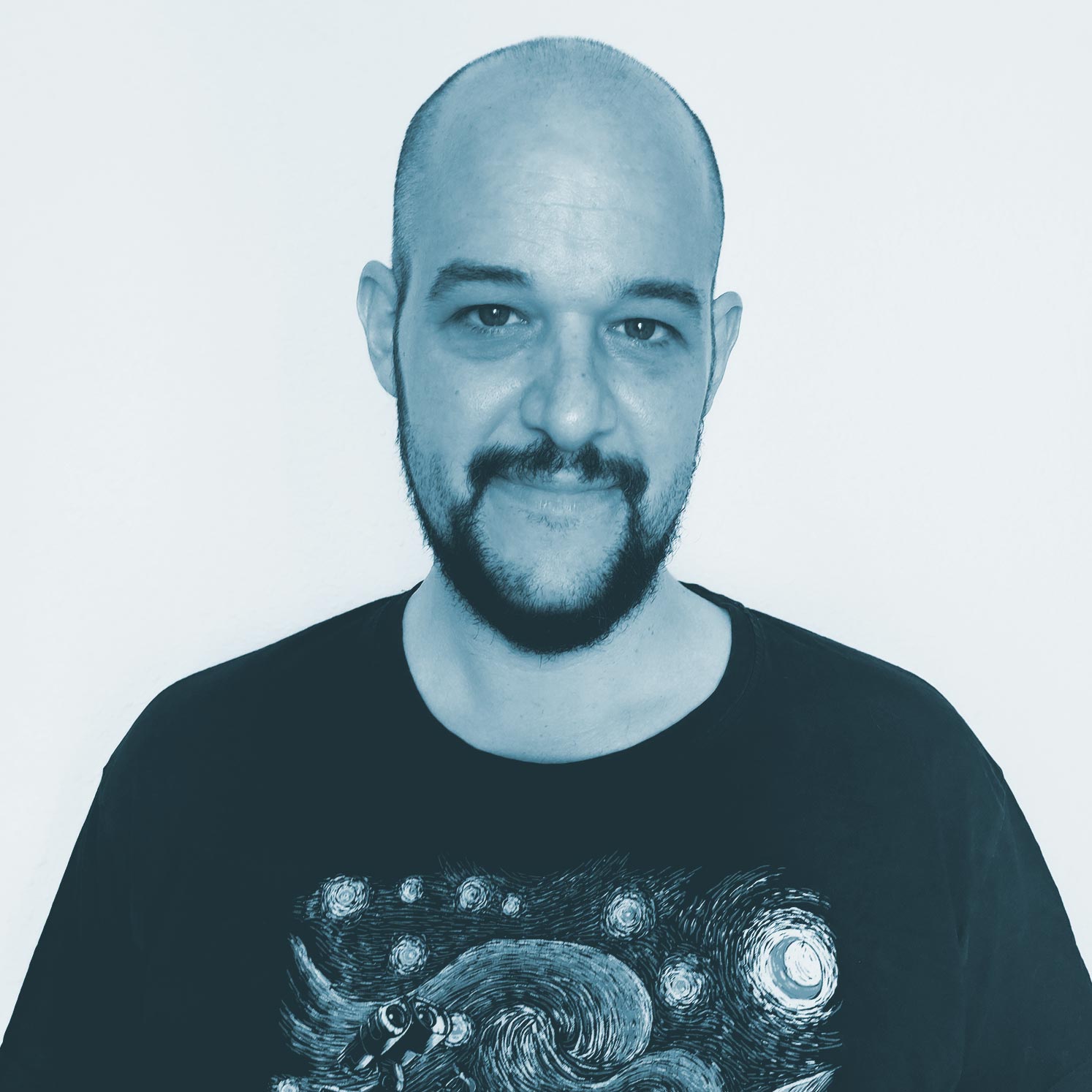
David Llaveria was born in Barcelona, Spain in 1984. He received the degree in Telecommunications Engineering and the master’s degree in Telecommunications Engineering with Antennas, Microwaves and Photonics for Communications and Earth Observation specialization from the Universitat Politècnica de Catalunya (UPC), Barcelona, Spain, in 2017 and 2019, respectively.
In 2016 he joined the UPC NanoSat Lab (http://www.tsc.upc.edu/nanosatlab) to work on the ONION project (http://www.onion-h2020.eu/). Since 2019 he is with the NanoSat Lab 3Cat-4 team, developing the attitude control software of the satellite and leading the ADCS test campaign. He is currently pursuing his Ph.D. on Telecommunications Engineering at the UPC at the NanoSat Lab, Barcelona, Spain. His research interests are focused in Earth Observation image processing, especially in hyperspectral images.
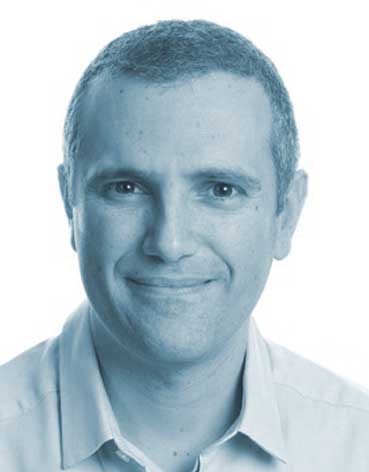
Devis is Full Professor at the GeoInformation Science and Remote Sensing group of Wageningen University and Research (The Netherlands). His main research domain is in geospatial computer vision. He develops digital solutions to address problems of land planning and the environment, with a focus in urban recognition, land use modelling and analysis. Devis received his MSc and PhD degrees from the University of Lausanne (Switzerland), with a thesis studying kernel methods for VHR remote sensing of cities.
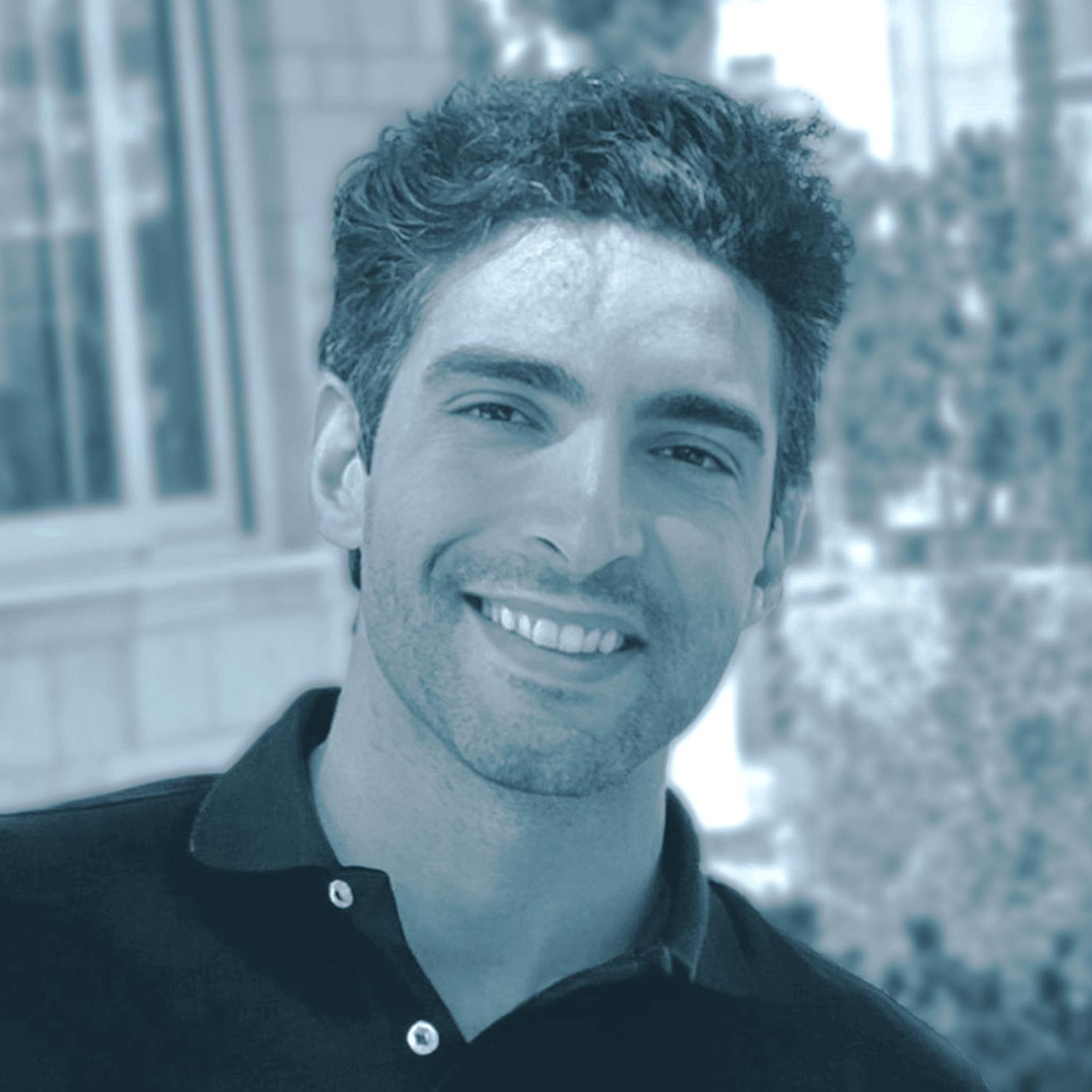
Domenico Barretta is an Italian aerospace engineer whose current research interests encompass space systems, artificial intelligence applied to satellite imagery, and space policy.
His professional experience includes research fellowships and collaboration appointments in the field of distributed space mission design and maritime domain awareness, in addition to his role as a research consultant for NATO STO – CMRE in 2022 and 2023. He interned at NASA Goddard SFC in 2022.
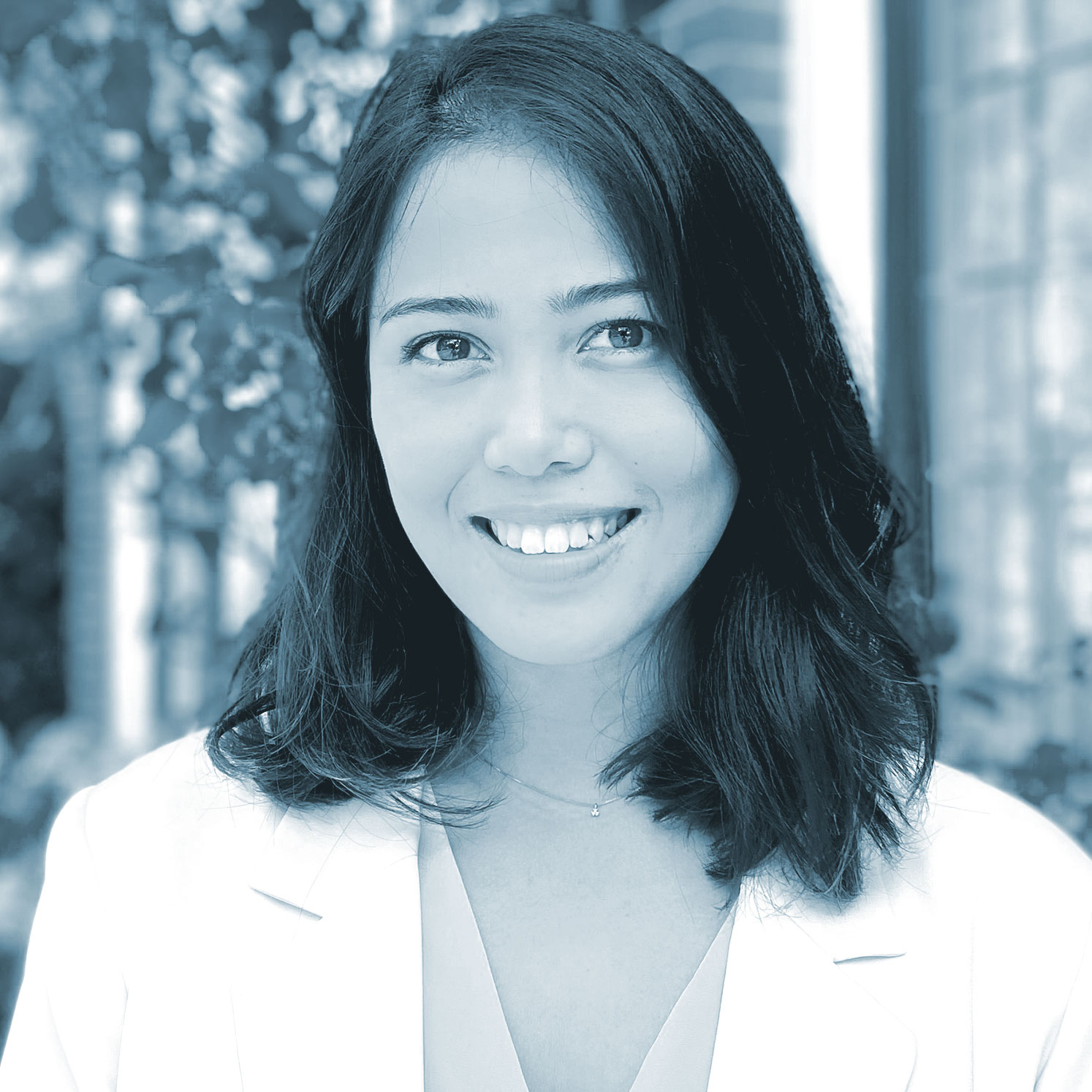
I am a MSc aerospace engineering graduate from Delft University of Technology. As I lived in 5 different countries, I appreciate diversity and multicultural communities. I am passionate about tackling environmental challenges and I believe in the power of Earth observation technology. I am eager to lean while supporting the business activities at the InCubed program, and further expand our knowledge and creativity regarding the EO applications.