
Marta Curado Avelar received her master’s degree in Biological Engineering (cum laude) from Instituto Superior Técnico (Lisbon, Portugal) in 2020.
From February 2020 to January 2021, she conducted research at Instituto de Medicina Molecular João Lobo Antunes (now Gulbenkian Institute for Molecular Medicine), studying the development of a subset of γδ T lymphocytes in mice.
From November 2021 to November 2023, Marta worked as a Research Assistant at Champalimaud Foundation, uncovering the mechanisms involved in the escape of RasV12-transformed cells (pre-malignant cells) from the surveillance of healthy epithelial cells in fruit flies.
Driven by a deep passion for science communication and outreach, Marta made the decision to transition from a career in biomedical research to one focused on making science accessible and engaging for diverse audiences. Since April 2024, Marta is pursuing that passion as a content editor and writer for ESA Φ-lab, helping to share the wonders and relevance of AI-based research in Earth Observation with the world.

Eva Gmelich Meijling recently graduated with a Master’s in Artificial Intelligence from the University of Amsterdam. With a Bachelor’s in Physics and Astronomy, she enjoys exploring the intersection of AI and space. Her Master’s thesis focused on vegetation classification of wetland areas using optical satellite imagery, where she leveraged self-supervised learning techniques and high-resolution data to reduce the need for annotated data.
She gained corporate experience in Accenture’s Data & AI team and was a teaching assistant for observational astronomy. In her free time, she volunteers at the planetarium, giving lectures on the universe and environmental preservation. As a visiting researcher at the Φ-lab, Eva is excited to contribute to the collaborative research environment and help drive transformational innovation.
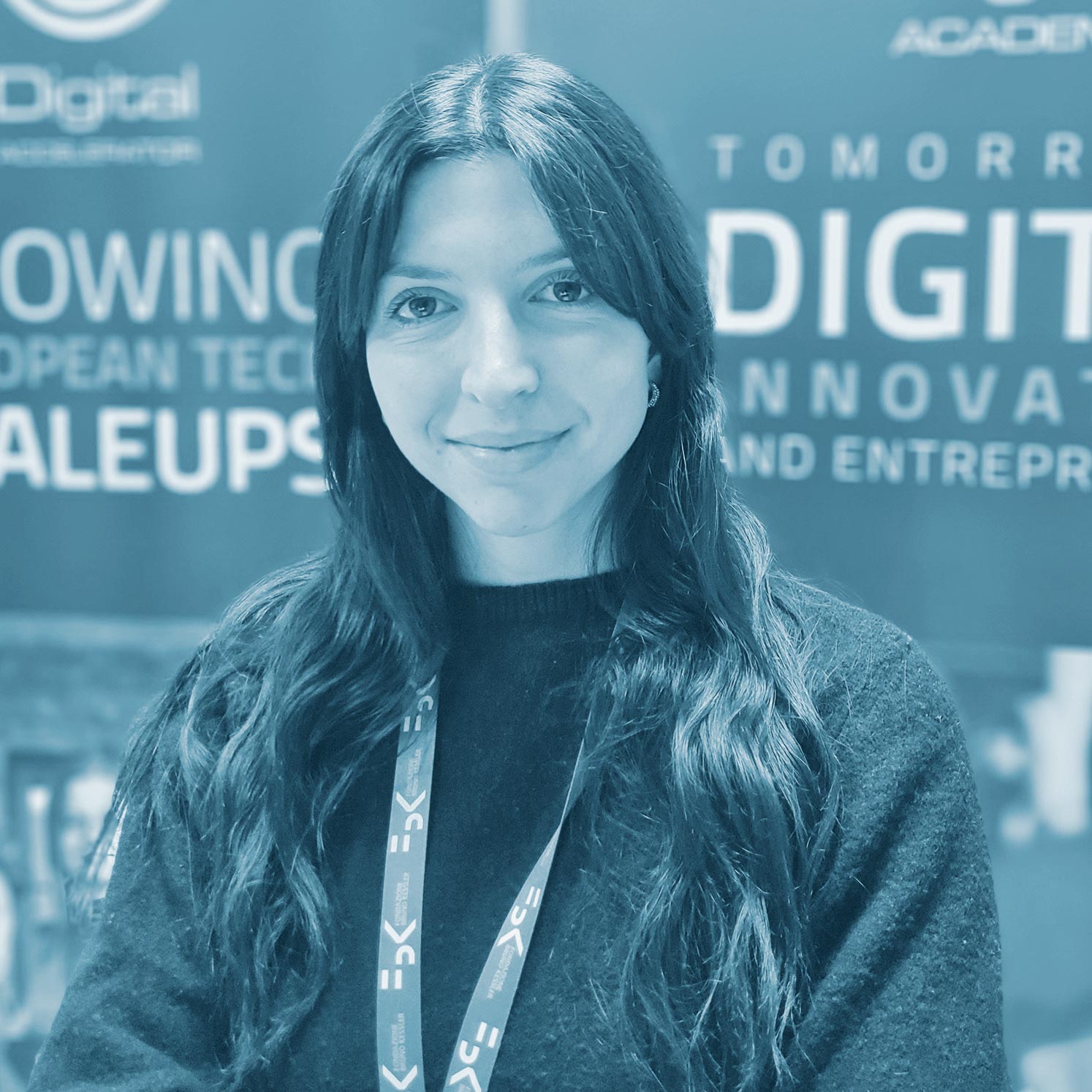
I’m Cecilia, born in Italy in 2000, and I am a passionate data scientist fueled by a deep love for innovation, technology, and sustainability. My academic journey has been both dynamic and enriching, leading me to six universities across Europe for various cultural exchanges and collaborative projects. After earning a bachelor’s degree in Statistics for Technologies at the University of Padova, I pursued a double degree in Data Science at the Polytechnic University of Madrid and the University of Trento. During this time, I honed my skills in machine learning, computer vision, and data analysis.
Throughout these two years of graduate studies, I realized how data can power innovative solutions. To feed my curiosity for innovation and learn how to create meaningful impact, I actively engaged in several initiatives: I completed a 30-credit minor in Innovation and Entrepreneurship, participated in a Summer School organized by the University of Rennes focused on developing AI tools for sustainable solutions, and won first prize at the EIT Business Challenge hosted by the University of Cluj-Napoca.
This passion for technology, innovation, and sustainability has led me to ESA’s Φ-lab, where I am thrilled to apply my expertise in data science to the field of Earth Observation. Here, I aim to leverage my knowledge and experiences to create a positive impact by combining innovation and technology to address real-world challenges and inspire meaningful change.

Agata M. Wijata obtained her Master’s degree (2015) and Ph.D. (2023) in Biomedical Engineering from the Silesian University of Technology in Poland. She currently works as an Assistant Professor at the Silesian University of Technology (44-100 Gliwice, Poland) and as a Machine Learning Researcher at KP Labs (44-100 Gliwice, Poland). Her research interests include satellite and medical image processing, multi- and hyperspectral image processing, multimodal data processing using artificial intelligence. Agata has contributed to the Copernicus Hyperspectral Imaging Mission for the Environment (European Space Agency) and the Intuition-1 mission (KP Labs) from the perspective of artificial intelligence and data processing. Her algorithm for bare soil detection in hyperspectral images has been implemented onboard the Intuition-1 satellite (KP Labs). Agata is also involved in medical projects such as WoundScanning from the perspective of multimodal data processing and Polish Smog based on numerical data.
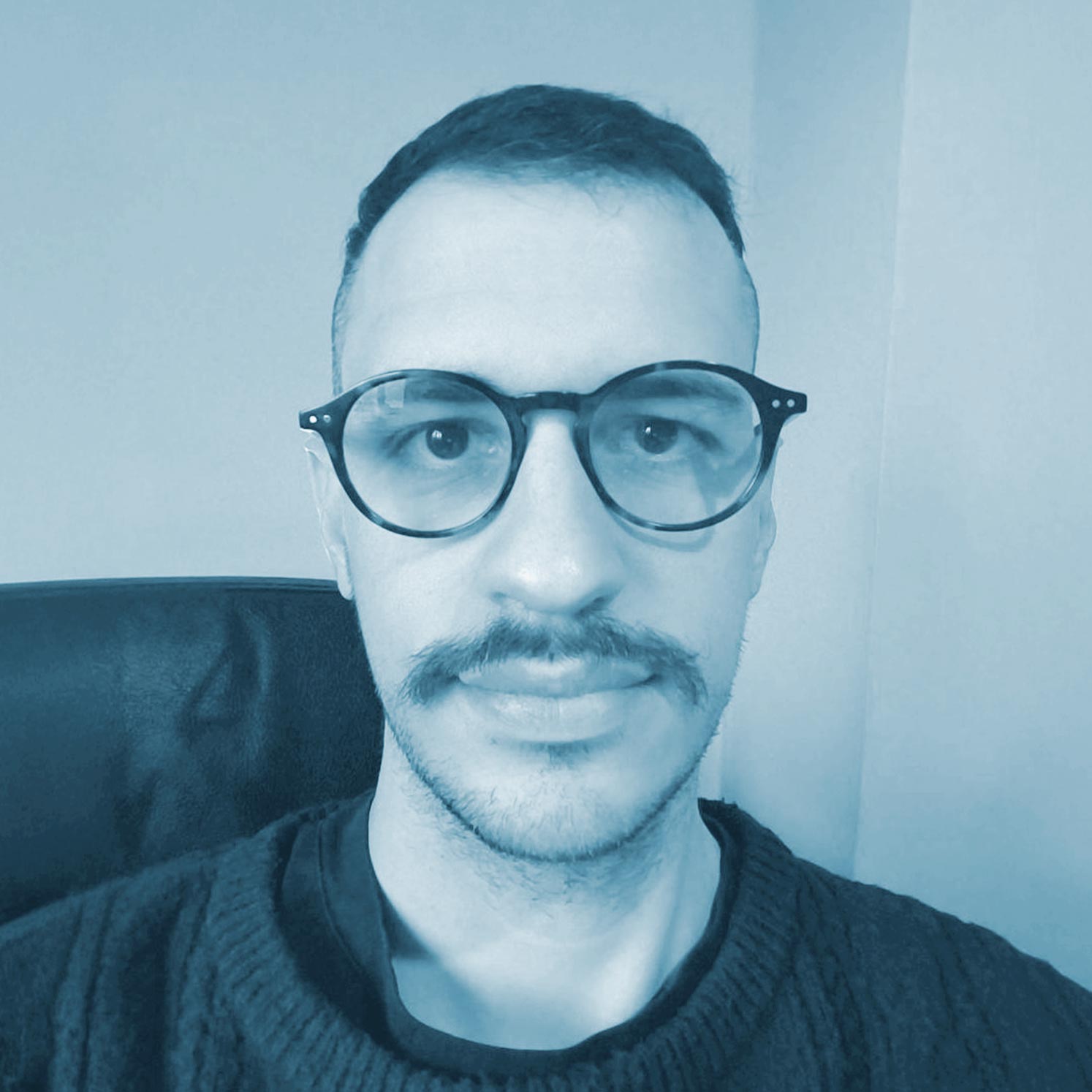
Valerio Marsocci received a B.Sc., an M.Sc. in environmental engineering, and a Second Level master’s degree in Big Data, all from Sapienza University of Rome, Italy. He graduated with a Ph.D. in Data Science (2019–2023) at the Sapienza University of Rome. During his Ph.D., he visited the University of Crete, Heraklion, Greece, and Institut Géographique National, Paris, France. He did a postdoc in CNAM, Paris, France. He is concluding his post-doc at KU Leuven, Belgium. His research topics are Geospatial Foundation Models (GFMs), Adaptation Strategy for GFMs, (Continual) Self-Supervised Learning, and (3D) Change Detection

Mr. Evgenios Tsigkanos is a Lead Machine Learning Engineer in OHB Hellas since 2023, working on on-board processing, synthetic data generation, continual learning and neuromorphic computing. He obtained his degree in Computer Science from the National Kapodistrian University of Athens, Dept. of Informatics and Telecommunications, and his Master’s degree in Data Science from The Cyprus Institute. He has worked as a Research Assistant in the Computation-based Science and Technology Research Center (CaSToRC), as well as a Machine Learning Engineer working on data fusion, latent space exploration and super resolution. His main research focus lies in on-board machine learning for spacecraft.
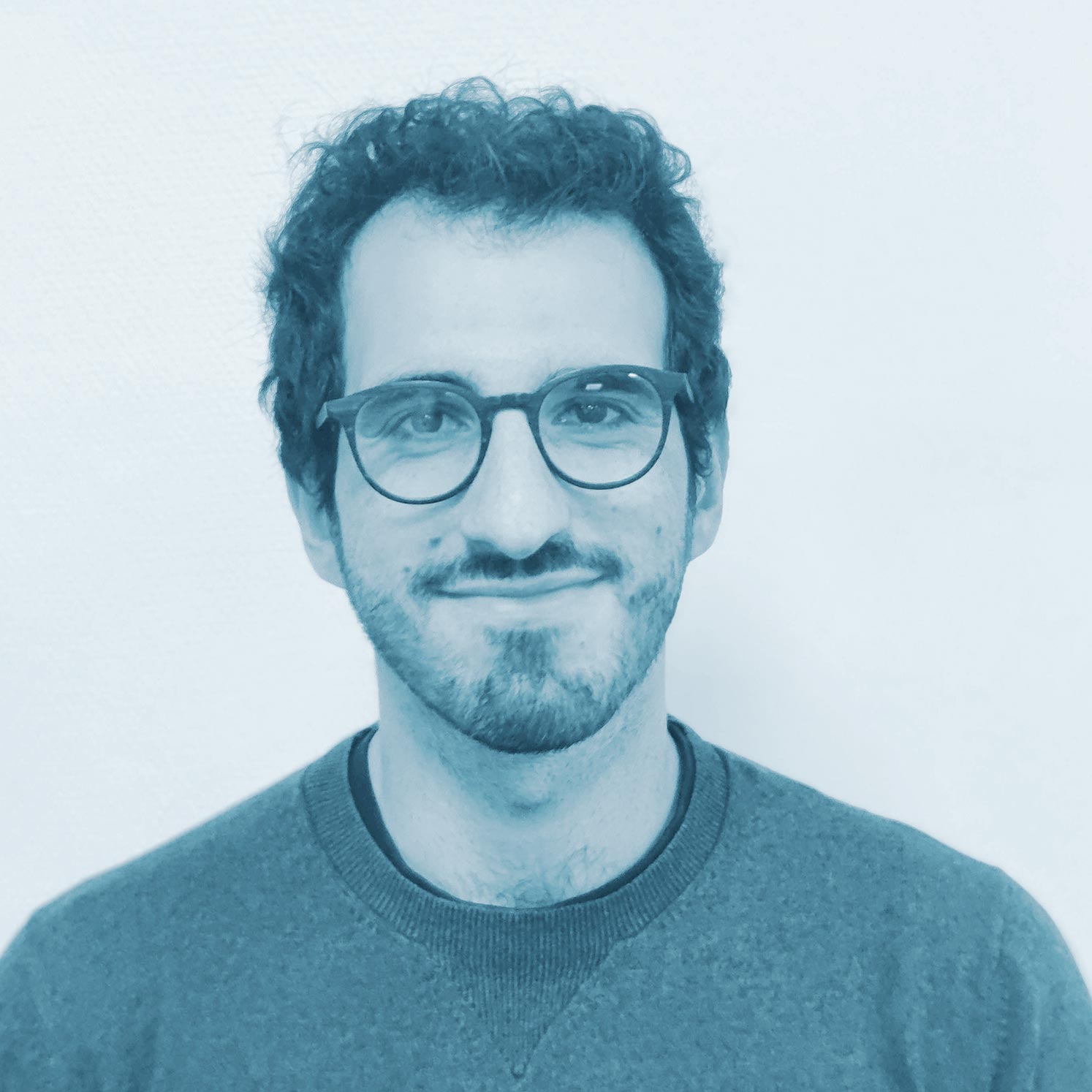
Corentin Dufourg received his computer science engineering from INSA Rennes and his MSc degree in computer science from University of Rennes in 2022.
He is now pursuing his PhD at University of South Brittany, France. He conducts his research at the Institute for Research in Information Technology and Random Systems (IRISA), focusing on the analysis of spatio-temporal data with advanced deep learning techniques, in particular graph-based learning strategies. His applications include Earth observation tasks involving time series of satellite images.

I am a PhD student (https://miquel-espinosa.github.io/) at the University of Edinburgh under the SENSE CDT program, and part of the BayesWatch research group, advised by Dr. Elliot J. Crowley.
My current research lies in the intersection of Machine Learning (Computer Vision) and Earth Observation fields.
My research interests are:
- Diffusion models for Earth Observation.
- Self-supervised methods for data fusion. Learning semantic representations of satellite images.
- Adapting foundational models for large domain shift.
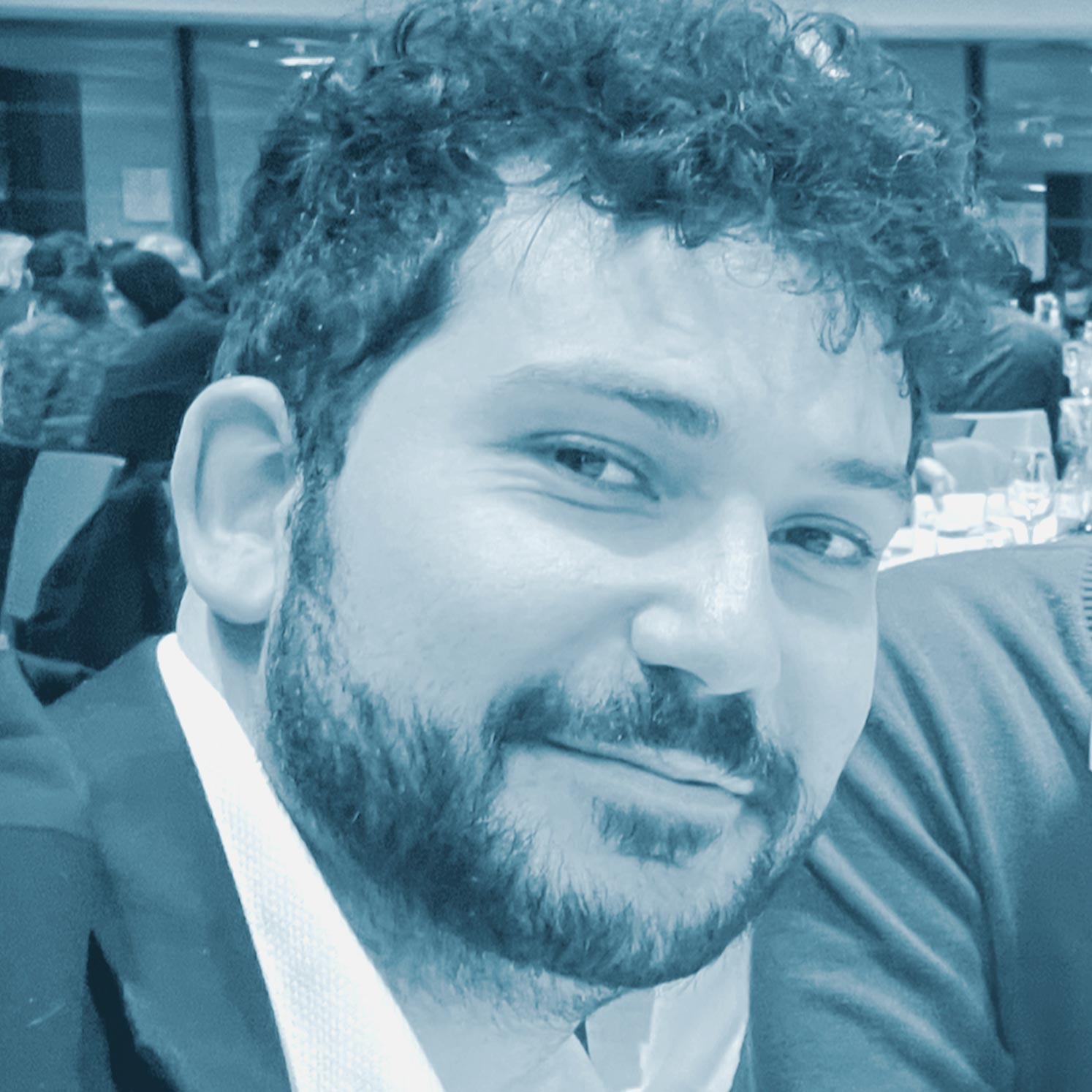
Born in 1994, Roberto Del Prete is an Italian researcher whose expertise lies in the application of deep learning and edge computing to remote sensing. His research is primarily oriented towards advancing time-critical decision-making capabilities through sophisticated AI-driven methodologies, with a focus on space missions and Earth observation systems.
Del Prete currently serves as a Postdoctoral Researcher (Internal Research Fellow) at the European Space Agency’s Φ-lab (Phi-lab). He completed a Ph.D. at the University of Naples Federico II, where he also obtained his Master’s and Bachelor’s degrees in Aerospace Engineering. Among his significant achievements was the design and implementation of “FederNet,” an innovative terrain relative navigation system.
His professional trajectory includes tenure as a Visiting Researcher at ESA’s Φ-Lab and at SmartSat CRC in Australia. Del Prete has been recognized with the 2022 NATO STO Early Career Scientist Award and was a participant in the 2021 NASA-ESA Trans-Atlantic Training initiative.
He has made substantial contributions to high-profile projects such as the Kanyini Mission and PYRAWS, where he developed advanced AI algorithms for applications including real-time maritime surveillance and thermal anomaly detection. With a portfolio comprising 28 peer-reviewed scientific publications and 16 conference presentations, Del Prete remains committed to harnessing state-of-the-art technologies to address complex global challenges in the domains of remote sensing and artificial intelligence.

Gilberto Goracci is a Ph.D. graduate in Astronomy, Astrophysics and Space Science, a joint Ph.D. program sponsored by the Universities of Rome Tor Vergata and La Sapienza and the Istituto Nazionale di Astrofisica (INAF). He obtained his Master’s degree in Astrophysics, with honors, from the University of Rome Tor Vergata, specializing in Gravitational Waves. His Ph.D. work, carried on at the School of Aerospace Engineering in Rome, revolved around the development of AI-based algorithms for Space Systems, addressing topics such as Nanosatellite Autonomous Navigation, Orbit Determination and Object Recognition. After a period as a visiting researcher between 2022 and 2023, he came back to ESA as Internal Research Fellow in 2025, focusing on AI techniques for hydrological monitoring and forecasting of hydrological events.

