

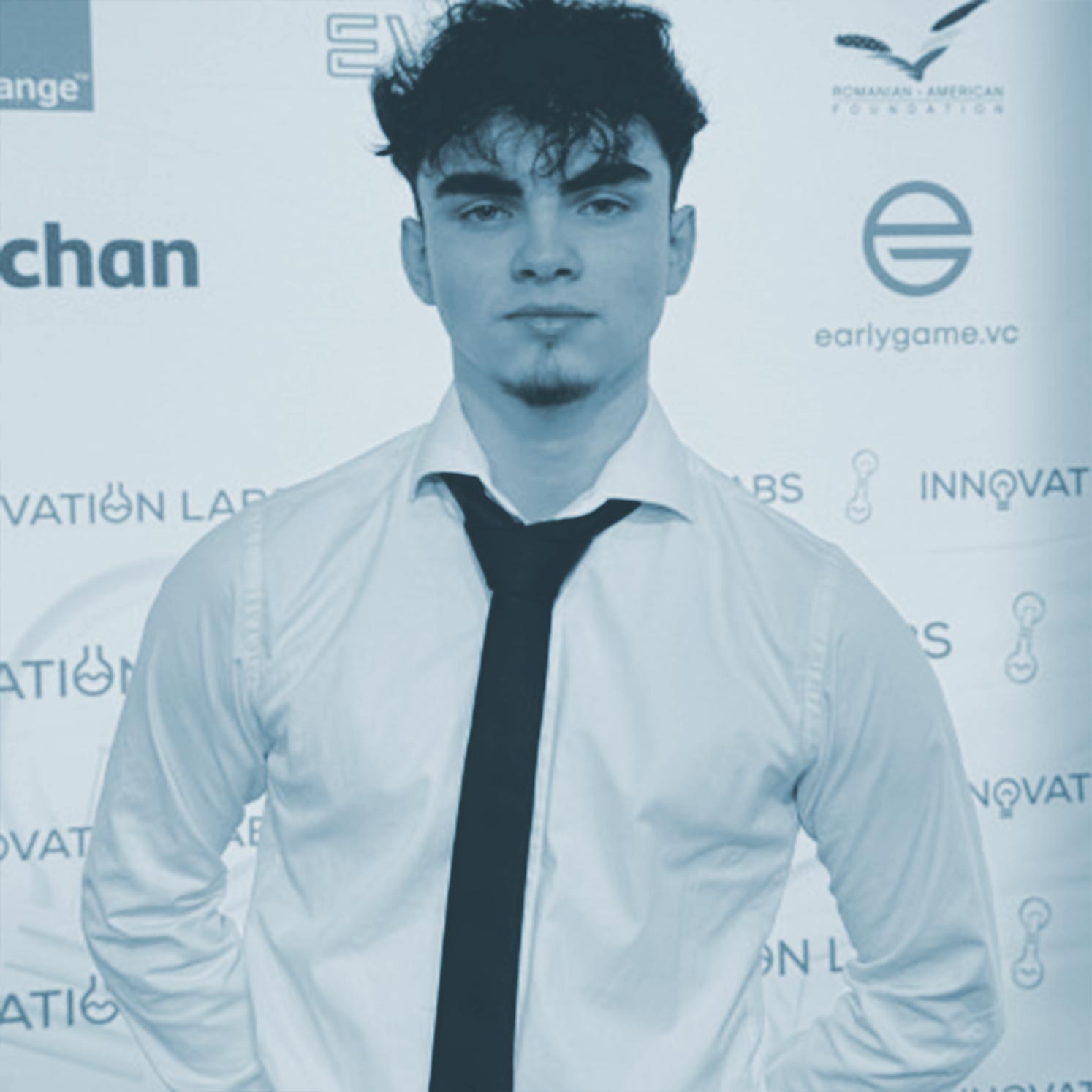
I am the co-founder of CO2 Angels, a startup helping farmers reduce costs and increase yields through digital soil mapping. My work combines Earth Observation, artificial intelligence, and pedology to enable accurate and scalable soil health monitoring. I hold a Bachelor’s degree in Computer Science (2025) from Babeș-Bolyai University, Cluj-Napoca, and have led CO2 Angels to win RUDEO Hackathon and Innovation Labs Romania, among securing early traction within the first year. At the ESA Φ-lab, I explore next-generation EO modeling, foundation models, and data fusion to advance resilient agriculture.
Archives: Team
Andrianirina Rakotoharisoa
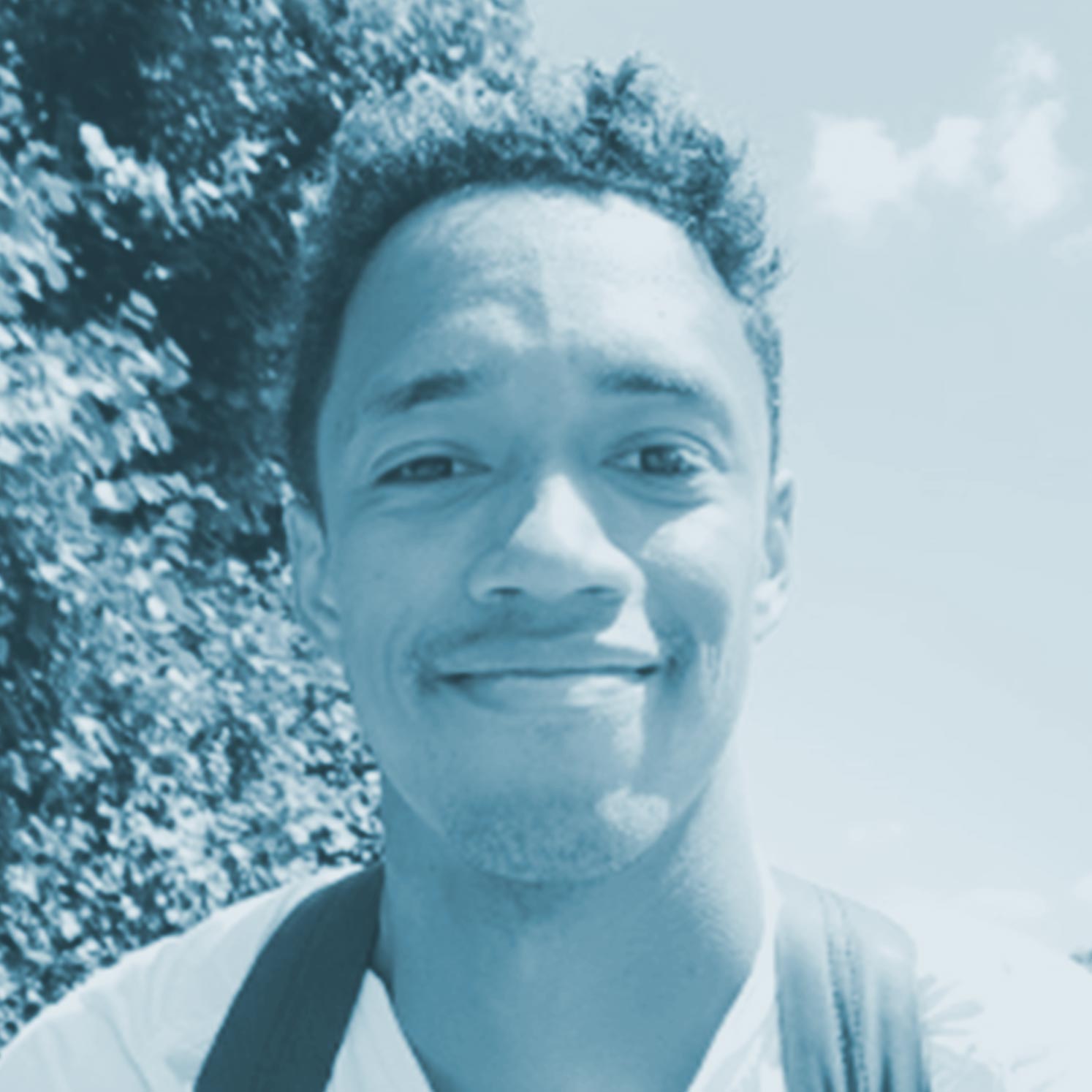
I am a 3rd-year PhD candidate in Machine Learning at Imperial College London, based in the Department of Earth Science & Engineering. My research focuses on the “Coupling of Remote Sensing Data and Machine Learning for Greenhouse Gas Emissions Monitoring” and specifically explores generative models (diffusion models), super-resolution, and the analysis of spatio-temporal data for climate applications. Within this context, the collaboration with the European Space Agency (ESA) will investigate the implementation of an “AI-driven, global, near real-time, active fire detection method using remote sensing data”. The project will aim to improve the accuracy and timeliness of wildfire detection using deep learning techniques explored in the first chapters of my PhD. Prior to my PhD, I obtained a master’s degree in engineering from the Ecole Centrale de Nantes and specialized in Applied Mathematics and Computer Science. When I’m not working, I enjoy running, swimming and discovering new places and people.
Research Activities
Over the 3-month period, the main research areas of the placement will be:
- Designing and training a super-resolution deep learning model to downscale data from the Sea and Land Surface Temperature Radiometer (SLSTR) onboard Sentinel-3, using historical data to train the model.
- Performing anomaly detection with a diffusion model on the downscaled data to identify active fire pixels and newly burnt areas, while also integrating auxiliary physical variables (e.g., vegetation, wind) to ensure that the model’s outputs are physically consistent.
Claudio Iacopino
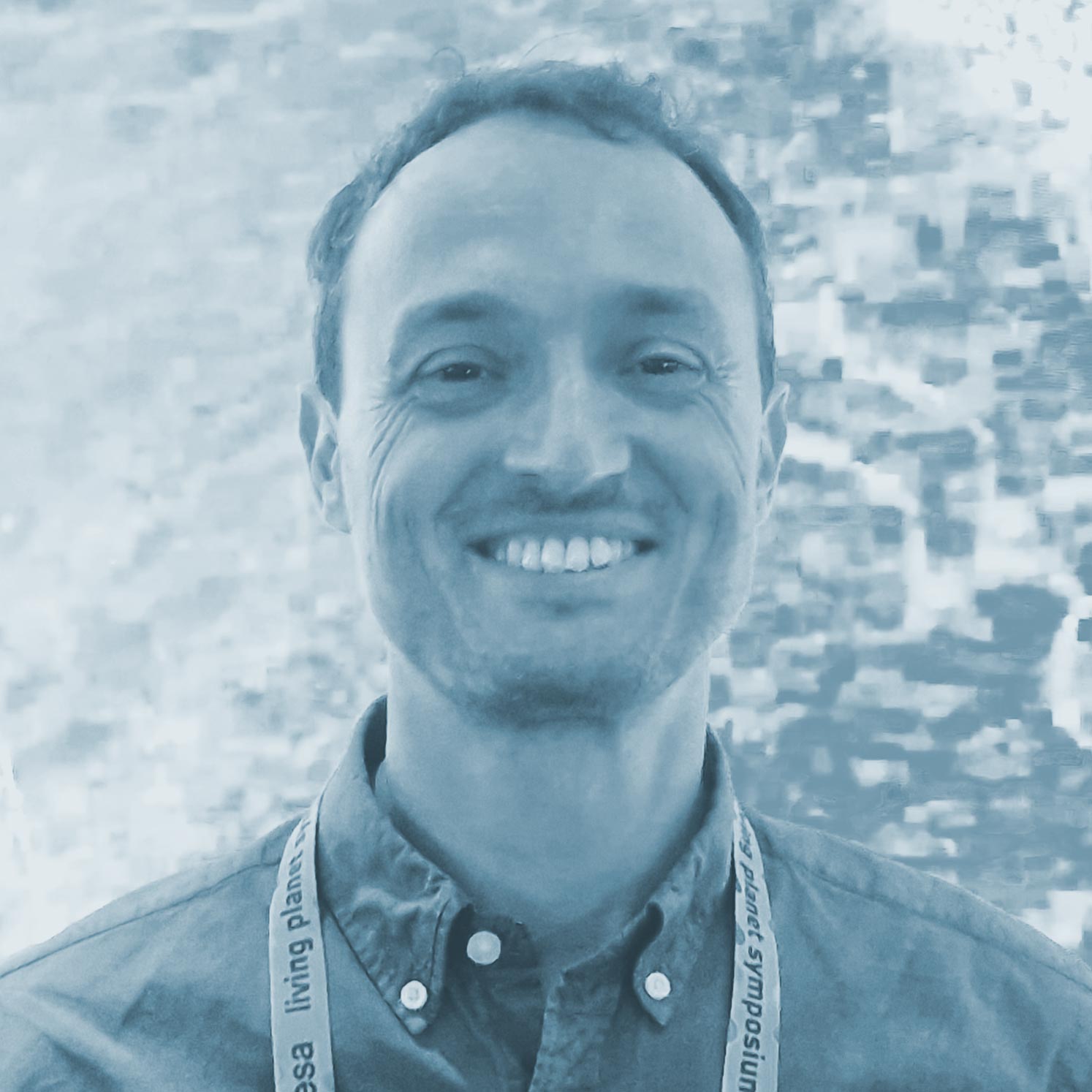
Claudio leads the Φ-lab Explore group since 2025. He has an academic background in AI and space engineering. Since 2008, he has worked in the Earth Observation and Operations field, designing advanced technologies to be included in the up-, mid- and down-streams. He started his career as YGT at ESRIN, later moved to ESOC contributing to the Adv. Mission Concepts and Technologies Office of Alessandro Donati. He then moved to the United Kingdom where in 2014 was awarded with a PhD in automated mission planning & scheduling systems for distributed missions from the Surrey Space Centre. He led industrial innovation at SSTL in the domain of mission planning system and ground segment for EO small satellites. Claudio then joined ECMWF where he investigated the convergence between HPC and cloud technologies. He returned in ESA ESRIN in 2022 to foster innovation in the cloud-based EO digital platforms and to build strategic collaborations internally and externally. He guided the digital innovation chapter of the 2024 EOP science strategy and has lead the organization of the 2025 Living Planet Symposium.
Eva Gmelich Meijling
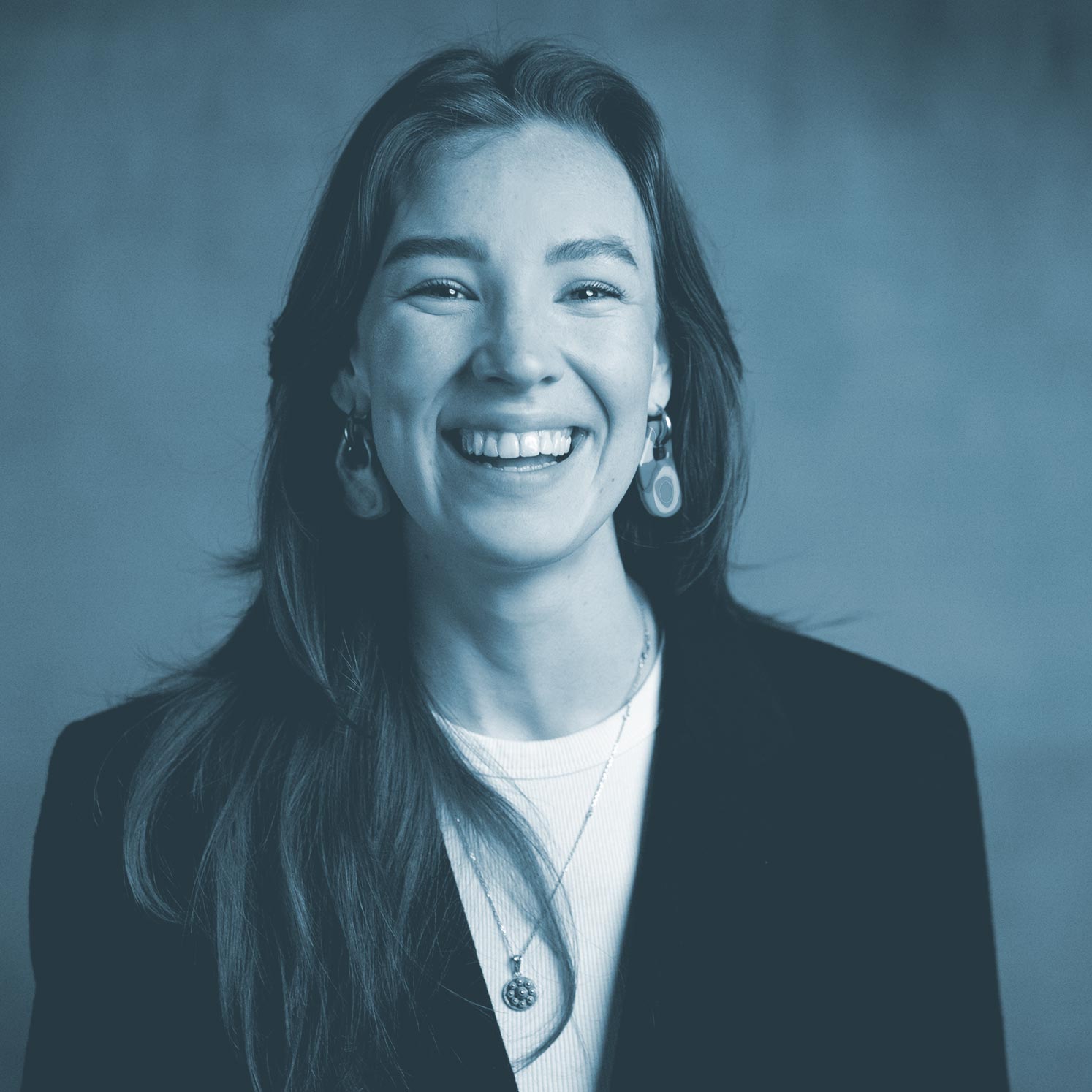
Eva Gmelich Meijling holds a Master’s in AI from the University of Amsterdam and a Bachelor’s in Physics and Astronomy. Her Master’s thesis, partially conducted at Φ-lab, focused on classifying wetland vegetation using high-resolution optical satellite imagery and self-supervised learning to reduce annotation needs.
She gained industry experience in Accenture’s Data & AI team and was a teaching assistant in observational astronomy. In her free time, she volunteers at the Amsterdam planetarium, giving lectures on the universe and environmental sustainability.
At ESA’s Φ-lab, Eva was a visiting researcher for three months and is now continuing as an ESA Graduate Trainee in Innovative AI4EO for a Green and Sustainable Future.
Charlotte Wargniez

I am interested in modelling and managing complex, non-linear systems—such as energy grids—under environmental stressors. I hold a Geoscientist-in-Training (GIT) license, earned through a BSc in Geoscience (specialist) and Climatology (minor) from the University of Toronto (2023), where I conducted research on the physical impacts of climate change across sectors including energy, agriculture, glaciology, and oceanography.
I completed an MSc in Sustainability, Enterprise and the Environment at the University of Oxford (2024), focusing on the intersection of environmental science, data-driven decision-making, and policy.
Currently, I am pursuing a PhD in Engineering Science at the University of Oxford, affiliated with the Intelligent Earth Centre for Doctoral Training in Artificial Intelligence for the Environment. My research focuses on integrating Observation data with deep reinforcement learning (DRL) techniques to enable adaptive planning and optimisation in dynamic environmental systems. Specifically, I am developing DRL-based control and planning models to improve downstream decision tasks for power grids such as resource allocation, resilience forecasting, and sustainable infrastructure planning. As a visiting researcher, I am eager to explore various ways of leveraging DRL and EO technologies to enhance environmental resilience.
Riccardo D’Ercole
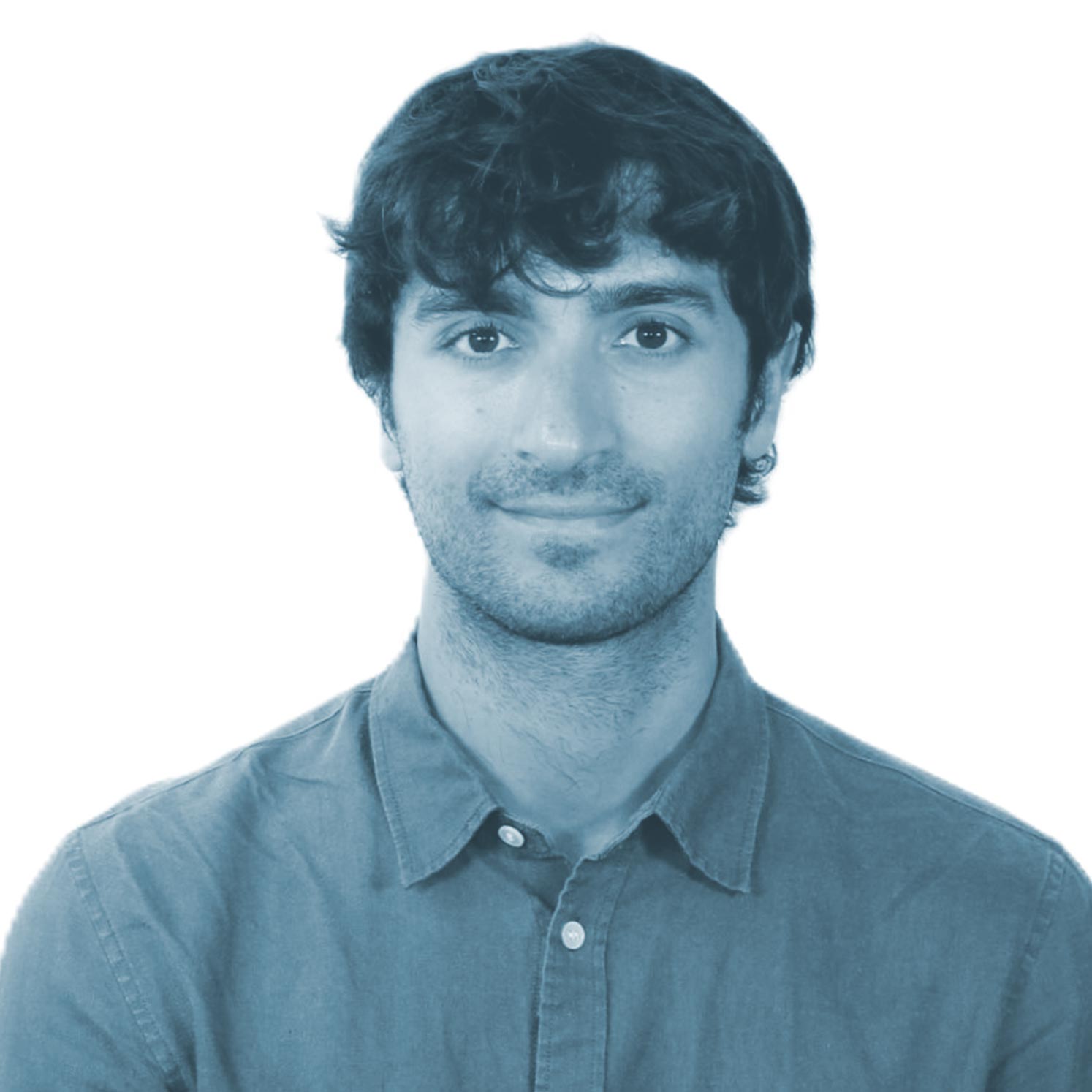
Riccardo D’Ercole is a Data Scientist and Economist with expertise in applying Artificial Intelligence techniques to natural language processing and remote sensing. He obtained a bachelor’s degree in economics from the University of Padua and a master’s degree in economics with a specialization in Development from NOVA University Lisbon. In the early steps of his career, he conducted field-based research through internships in Latin America and Africa, including an impact evaluation of a community health worker program in Guinea-Bissau. Following these experiences, he worked for four years as a Data Scientist at a NATO agency, after which he obtained his PhD from the Institute of Atmospheric Sciences and Climate (CNR-ISAC) as part of the inaugural cohort of the Italian National PhD in Artificial Intelligence. He now works as an Internal Research Fellow at the European Space Agency’s Φ-lab (Phi-lab). His research lies at the intersection of Development Economics and Remote Sensing, with deep expertise in Artificial Intelligence techniques. He focuses on using high temporal resolution Earth Observation data and machine learning to assess drought impacts, and the effectiveness of policy interventions on food security and economic outcomes in vulnerable regions.
Alice Di Tucci
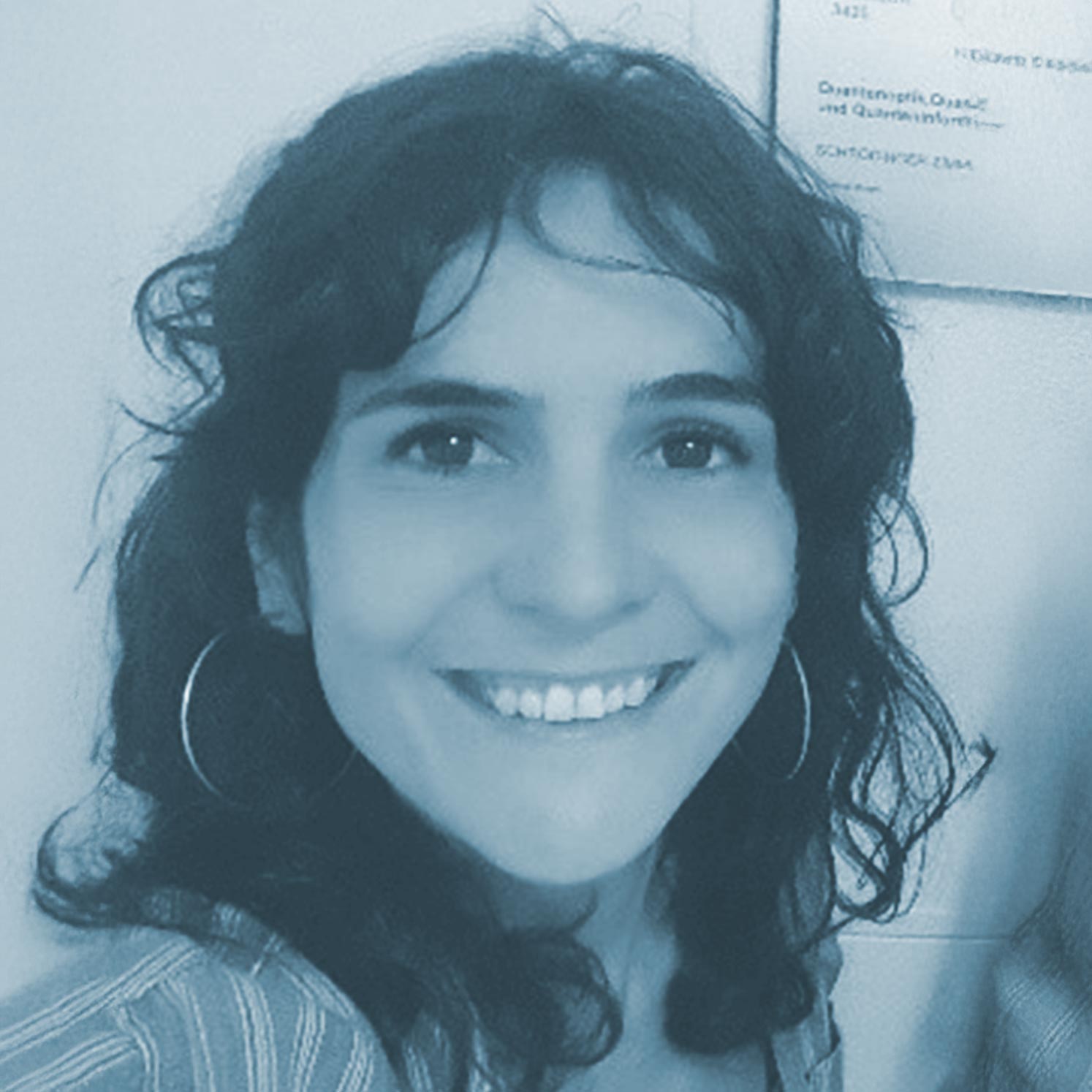
Alice Di Tucci is a postdoctoral researcher at the Center for Quantum Technology and Applications at DESY, Zeuthen. Her research focuses on quantum computing, particularly its near-term applications, including quantum machine learning, combinatorial optimization, and high-energy physics. She is interested in understanding the potential impact of quantum computing in Earth observation applications. She is also involved in teaching and training activities, both within academia and for industry partners, as well as outreach initiatives related to quantum computing.
Alice earned her PhD in quantum cosmology at the Max Planck Institute for Gravitational Physics in Potsdam.
Lot van Neerbos
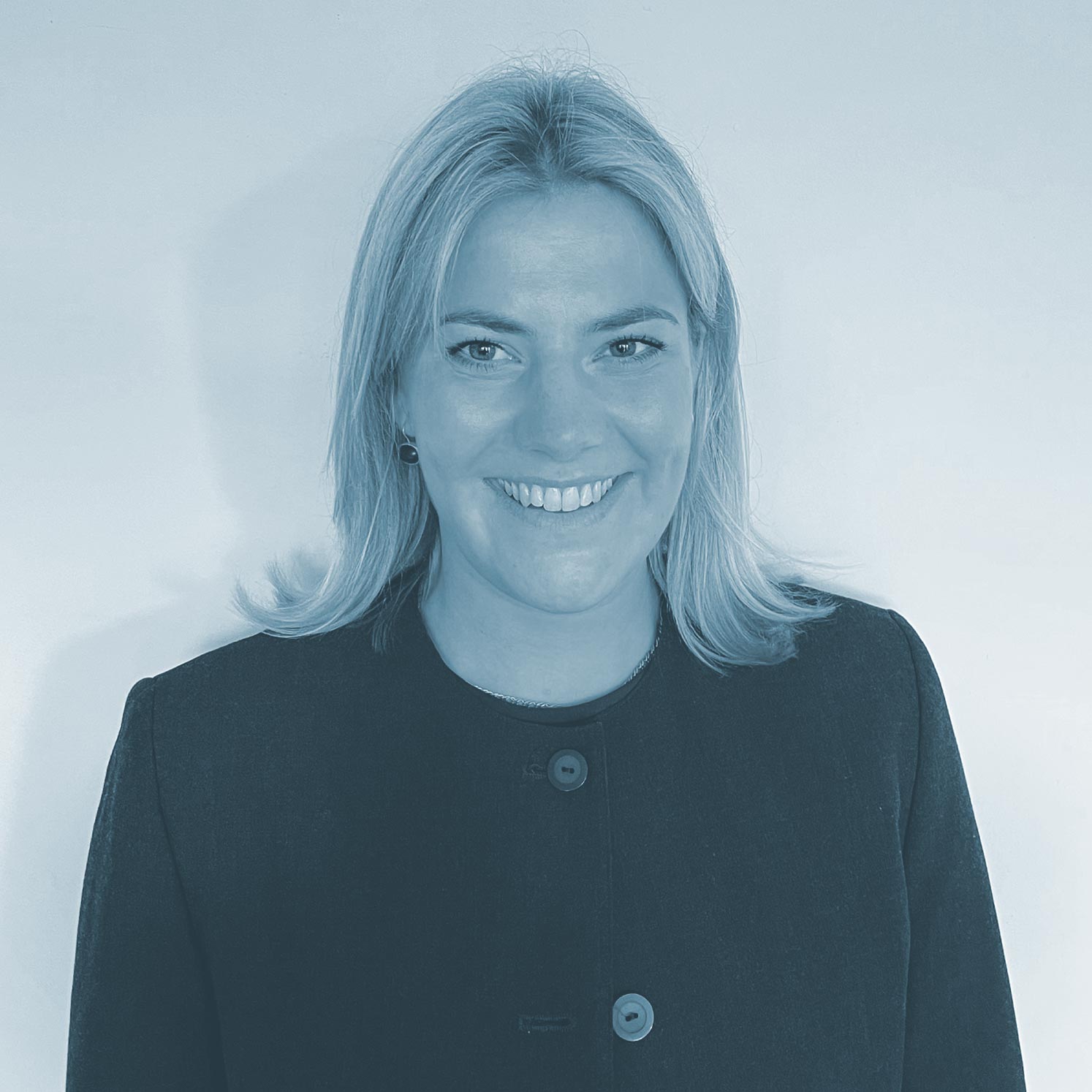
I am Lot van Neerbos, a graduate in Applied Mathematics from TU Delft, specialising in Computational Science and Engineering, with a Bachelor’s degree in Applied Mathematics from the University of Groningen. Fascinated by the intersection of mathematics, Earth sciences and space, I am currently conducting my master’s thesis research at ESA’s Φ-lab. My work focuses on generating high-resolution solar irradiance maps by combining Sentinel-2 imagery and MSG data, using machine learning. I am particularly interested in the potential of remote sensing and data-driven modelling to support sustainable energy applications and climate monitoring.
Mounia El Baz

I am an engineer with a specialisation in Applied Mathematics from École Centrale Paris (CentraleSupélec) and I also hold a research master’s in Machine Learning and Computer Vision from École Normale Supérieure Paris-Saclay. My journey in Earth Observation started at Descartes Underwriting, a French insurtech, where I focused on natural catastrophe modeling, especially wildfires, for 3 years. I’ve worked with satellite imagery and EO data for modeling and monitoring, collaborating on cross-disciplinary projects with industrial and academic scientific partners. I’m especially interested in how EO can help us track and predict the changing fingerprints of climate and human activity — and in how new technologies can push the boundaries of how we see, understand, and care for our planet.
Ruben Cartuyvels

Ruben studied engineering science at KU Leuven in Belgium and continued to do a PhD there at the department of computer science. He wrote his dissertation about relational structure in training objectives for deep learning methods. Much of his work initially concerned natural language understanding, but he got interested in and started to work on applying AI to Earth Observation data in the hope to better understand our Earth and to create a positive impact. In his free time Ruben can be found running or swimming, in the mountains for hiking, going out with friends, cooking or reading novels or philosophy.