

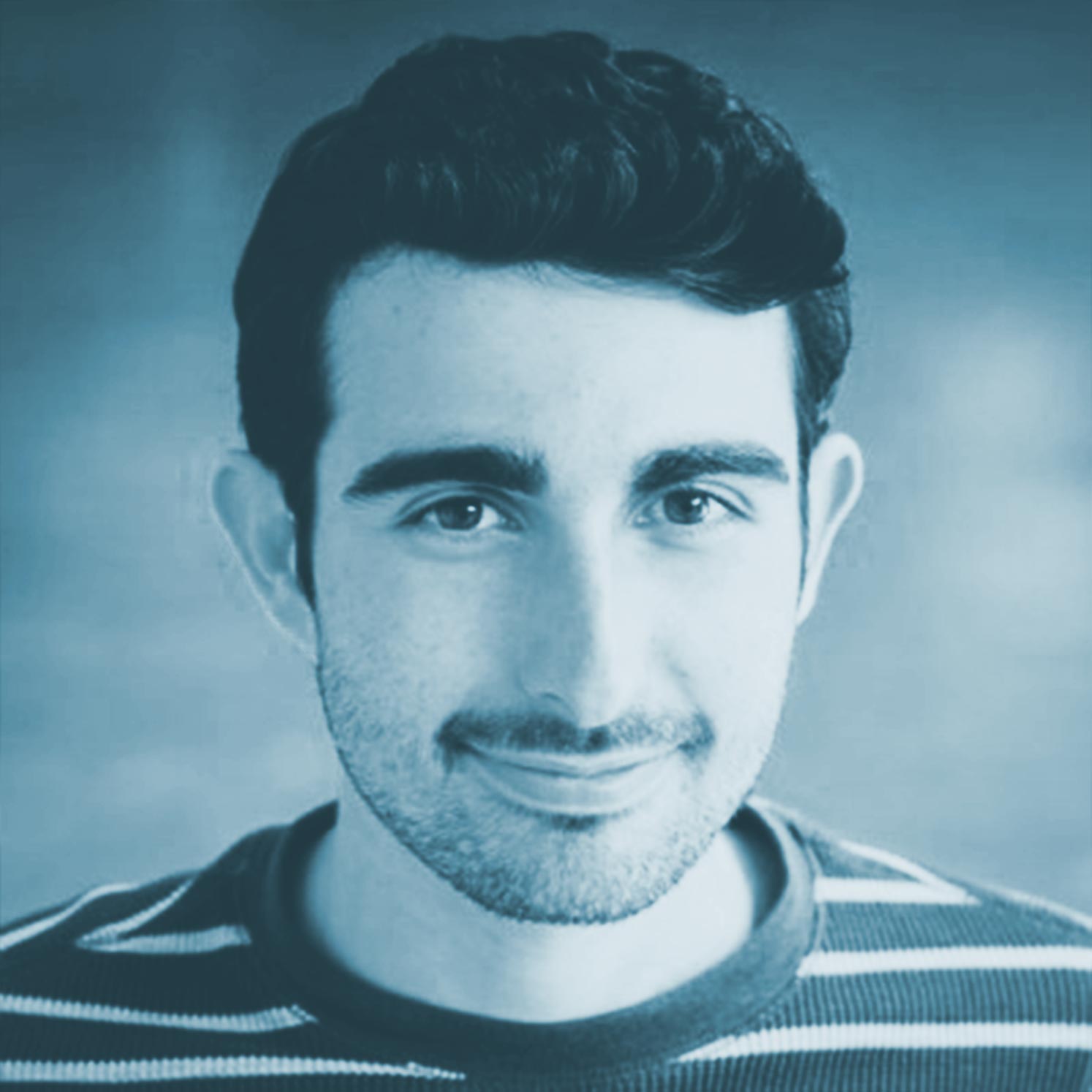
Salvatore works as a Digital Innovation Engineer in the ESA AI and Data Science section, where he supports several Earth Observation activities related to disruptive innovation, planet, climate and overall bringing EO data and services to policy and decision makers. He holds a master degree in Electronics engineering with a specialization in Telecommunications. He joined ESA first as a Trainee in 2008, and worked then with ESA, EUMETSAT and EGI.eu in data processing, HPC, Cloud Computing, AI and other innovative technologies. Throughout all his career, his primary focus has been in supporting scientific and commercial exploitation of EO satellite data, developing innovative services and fostering the adoption of new emerging technologies. He is a strong advocate of Open Science, FAIR data, Open Source Software development and Open Source AI models.
Archives: Team
Diego Jatobá

Diego Jatobá holds a PhD in Earth System Science from the National Institute for Space Research (INPE/Brazil), an MSc in Meteorology from the Federal University of Santa Maria (UFSM), and a BSc in Mathematics from the Federal University of Rondônia (UNIR). With an interdisciplinary background, his work integrates climate science, modeling, and climate and environmental data analysis. He contributed to Brazil’s Fourth National Communication on Climate Change (UNFCCC, 2020), developing studies and tools to support national mitigation and adaptation planning. His previous research focused on modeling CO₂ emissions and removals across Brazilian biomes under different land-use change scenarios (Nexus). As an international researcher at ESA’s Φ-lab, in collaboration with UNICEF, his current research applies advanced ML techniques, combining EO data, climate reanalysis, and CMIP6/DestinE projections to predict heatwaves and improve UNICEF’s Children’s Climate Risk Index (CCRI) by accounting for Brazil’s diverse climate zones.
Monica Beghini
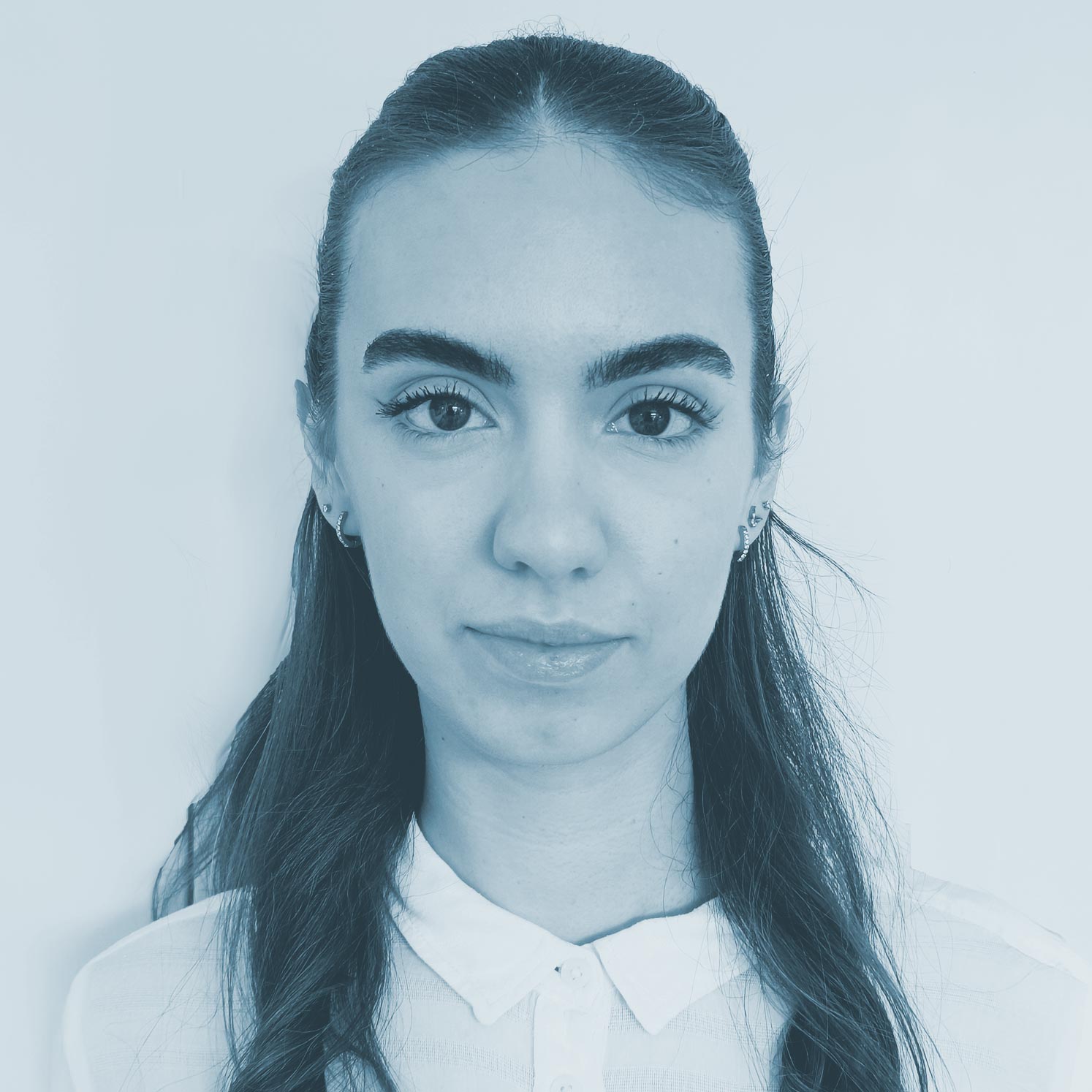
I am Monica Beghini, a master’s student in Mathematical Engineering at Politecnico di Torino, specialising in statistics, optimization and data science. During my bachelor’s degree in Mathematics at the University of Padova, I discovered a strong interest in the applied side of mathematics, which led me to shift from pure theory to modelling and problem-solving related to real-world problems.
For my master’s thesis, I am collaborating with ESA’s Φ-lab, where I will combine statistical methods and machine-learning techniques to process satellite meteorological imagery. As I’ve always been fascinated with space, I look forward to deepening my knowledge and understanding of Earth Observation, hoping to contribute to the Φ-lab’s work with a strong mathematical perspective.
Davide Galluzzo
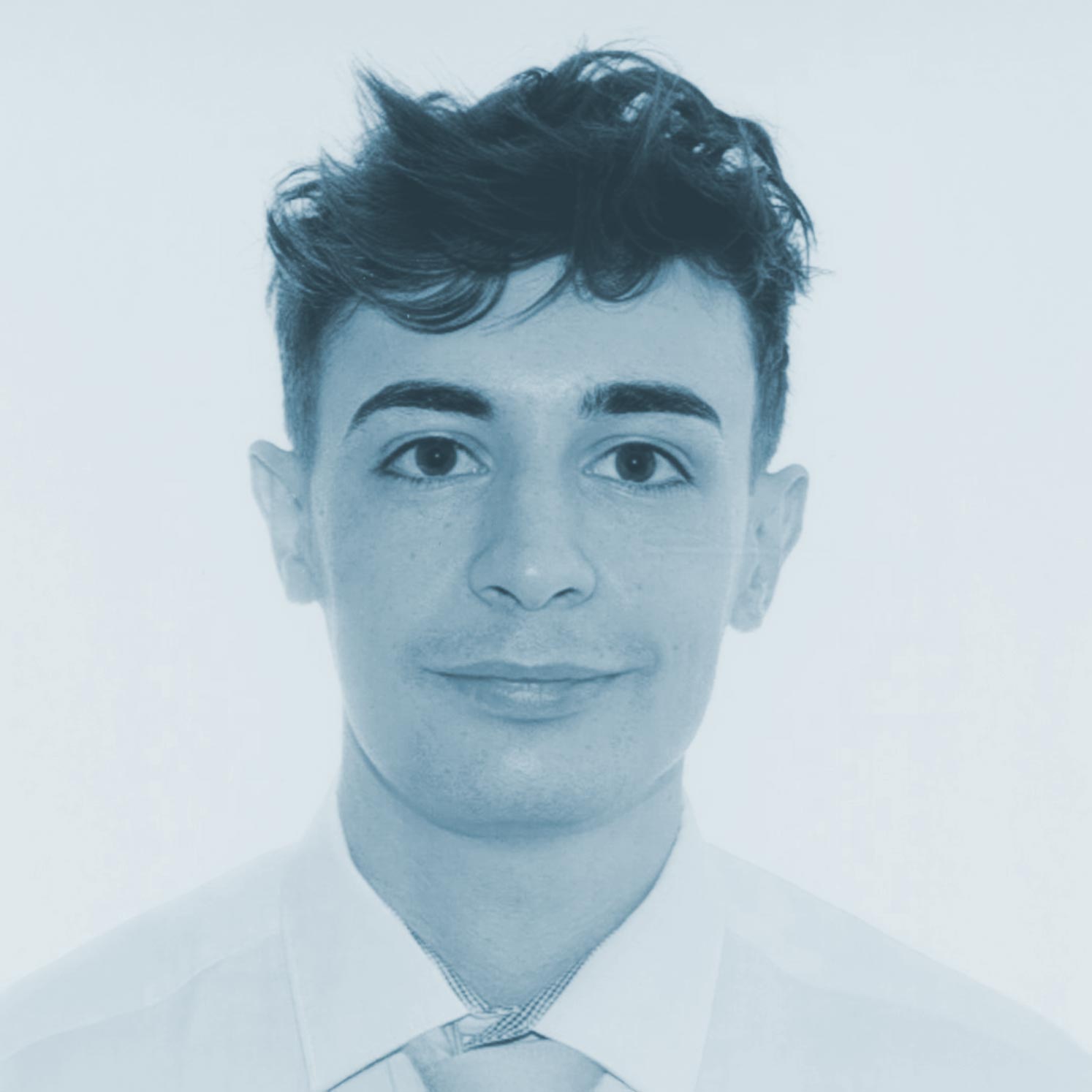
After completing a Bachelor’s degree in Mechanical Engineering at Politecnico di Milano, I am currently pursuing a Master’s degree in Geoinformatics Engineering, specializing in applications for space and Earth Observation. Alongside my studies, I have gained hands-on experience across both technical and business domains. At TEMIS, I contributed to FEM analyses for space launch systems, focusing on early-stage prototype development. At Primo Space, the first Italian venture capital fund dedicated to space technologies, I expanded my perspective beyond engineering by supporting the evaluation of startups from both technical and business standpoints. I am committed to exploring the integration of technological innovation with market applications in the space sector.
Giulia Sturlese
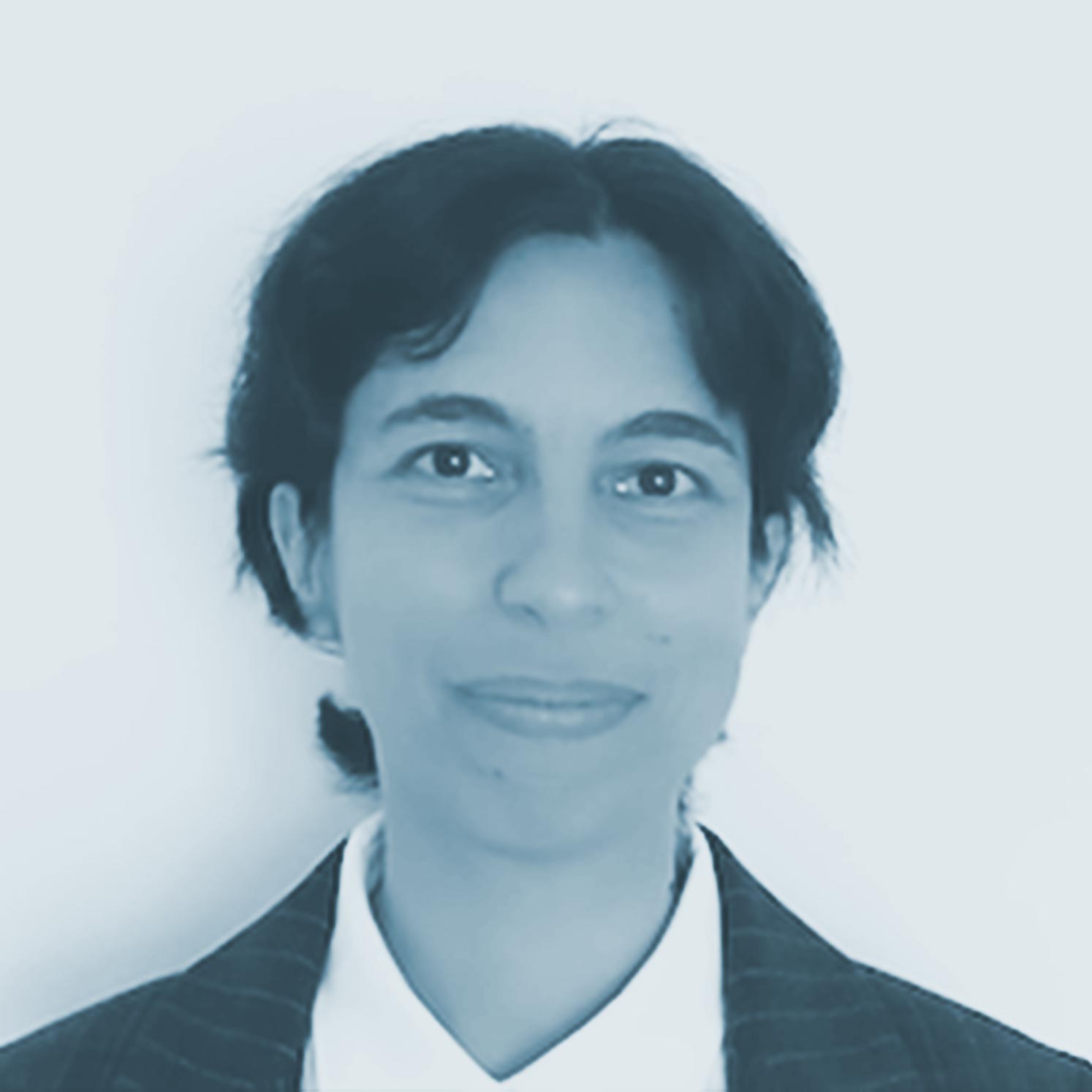
I am Giulia Sturlese, a PhD student in Sustainable Development and Climate Change at the University School for Advanced Studies IUSS Pavia. I hold a Master’s degree in Physics from the University of Pavia, where I graduated with a thesis on renewable energies in Europe.
Current Role
I am currently a PhD student in Sustainable Development and Climate Change at the University School for Advanced Studies IUSS Pavia. My research focuses on aerosol atmospheric rivers, narrow, elongated regions in the atmosphere transporting large concentrations of aerosols.
Areas of Expertise
My expertise lies in several areas of atmospheric science and data analysis. This enables me to identify and describe aerosol atmospheric rivers (AARs). During my time at ESA Φ-lab I plan to build on this foundation by applying machine learning methods to environmental datasets with the goal of predicting when and where AARs occur. This work can benefit ESA Φ-lab CIN by contributing to a deeper understanding of aerosol transport phenomena and supporting the development of innovative, data-driven approaches to understanding the Earth system.
Vision for the Future
Driven by a vision of the future where the role of atmospheric aerosols is better understood and more accurately represented in models, I am committed to advancing research that improves the detection and prediction of aerosol transport phenomena such as aerosol atmospheric rivers. By contributing to a more detailed understanding of aerosol dynamics, my work aims to support improvements in weather and climate prediction, as well as air quality forecasting, all of which are critical for societal resilience in the face of climate change.
Celina Anael Farias

I am a geologist, graduated from the National University of Córdoba, Argentina, and I also hold a diploma in Applied Geomatics. My enthusiasm for science and innovation has led me to engage in various research initiatives on Earth Observation from the early stages of my academic career, including internships at the Argentinian Space Agency (CONAE) and the National Research Council of Italy (CNR), the latter supported by a scholarship from the Italian Space Agency (ASI) and the University of Pavia. My previous work has focused on subsidence detection and monitoring using InSAR techniques, as well as deformation time-series analysis through statistical approaches.
I am currently pursuing a PhD in Earth Observation at Sapienza University of Rome, in collaboration with the European Space Agency (ESA) and Titan4. Understanding the critical role of water for life and aiming to contribute to its preservation, my research explores the integration of Remote Sensing tools and Artificial Intelligence algorithms to improve water resources management and risk assessment. In addition, I voluntarily serve as an officer of the IEEE Geoscience and Remote Sensing Society (GRSS) Argentina Chapter, fostering collaborations among scientists and professionals worldwide.
Gabriele Inzerillo
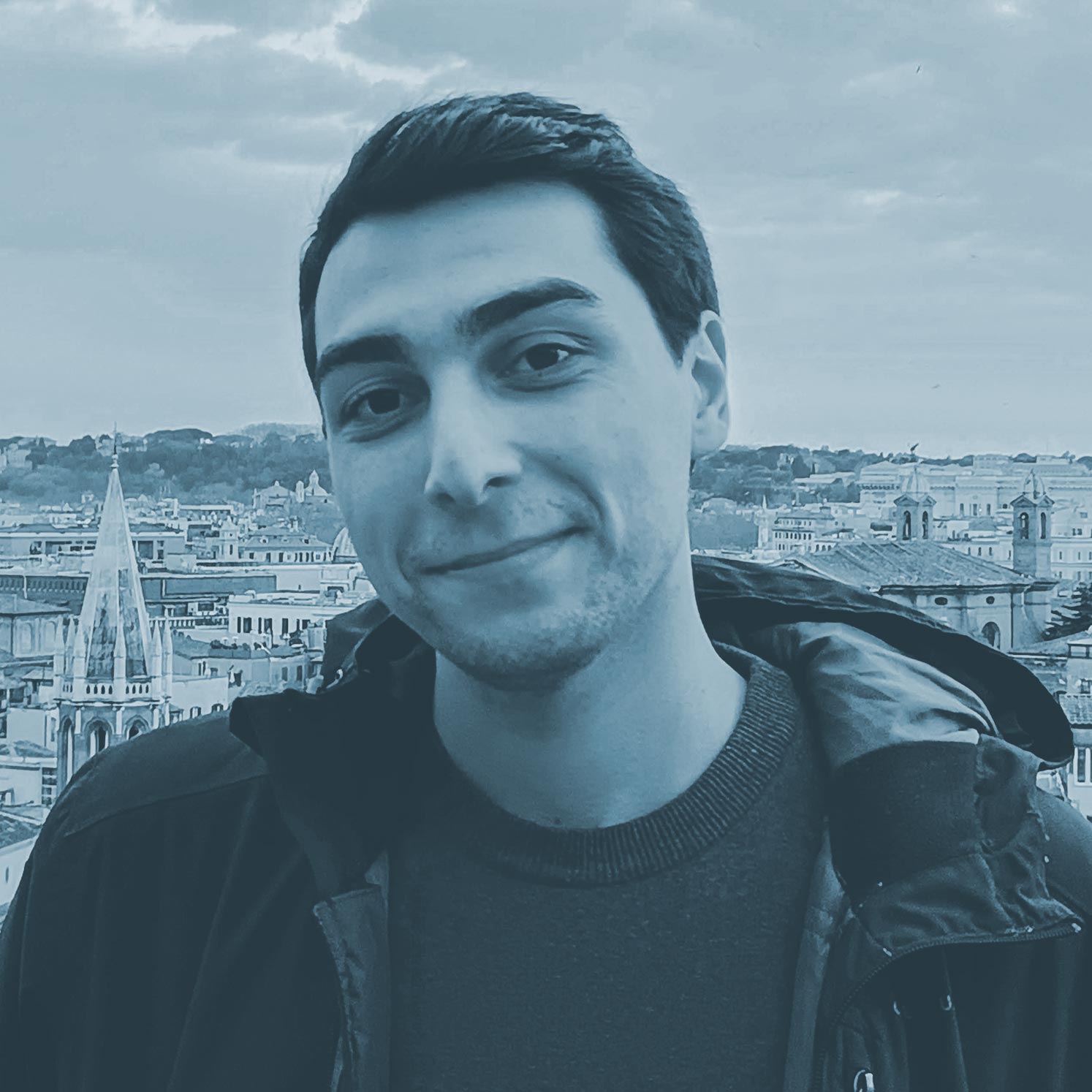
Gabriele Inzerillo received his B.Sc. in Computer Engineering from the University of Palermo and then completed an M.Sc. in Computer Engineering at Politecnico di Torino, where he concentrated on software engineering and fundamentals of artificial intelligence, machine learning and deep learning. For his master’s thesis and internship he developed a multi-image super-resolution model for cross-sensor fusion, building two novel Proba-V and Sentinel-2 datasets.
Following graduation, Gabriele worked in industry as a Machine Learning Engineer and then as an Applied Scientist specializing in deep learning and computer vision for remote sensing. Between 2023 and early 2024 he contributed to build an efficient, self-supervised feature extractors and task-specific multi-head architectures, and implemented quantization and deployment pipelines for low-power demonstrators and space-qualified hardware (Unibap iX5).
Since March 2024 Gabriele has been pursuing a PhD in Deep Learning at Politecnico di Torino as part of a joint project with the European Space Agency. His research focuses on designing efficient deep learning architectures for low-power, on-board satellite systems — with particular emphasis on low-latency vision tasks and practical solutions to hardware constraints. Although his main body of work lies in lightweight computer vision models and remote sensing, he is broadly passionate about deep learning and open to tackling problems across different data modalities.
Francesca De Falco

Born in Rome in 1999, she obtained a bachelor’s degree in Electronic Engineering cum laude in 2021 from Sapienza University of Rome and she is currently completing a master’s degree in Electronic Engineering specializing in machine learning from the same university.
Filippo Gregori
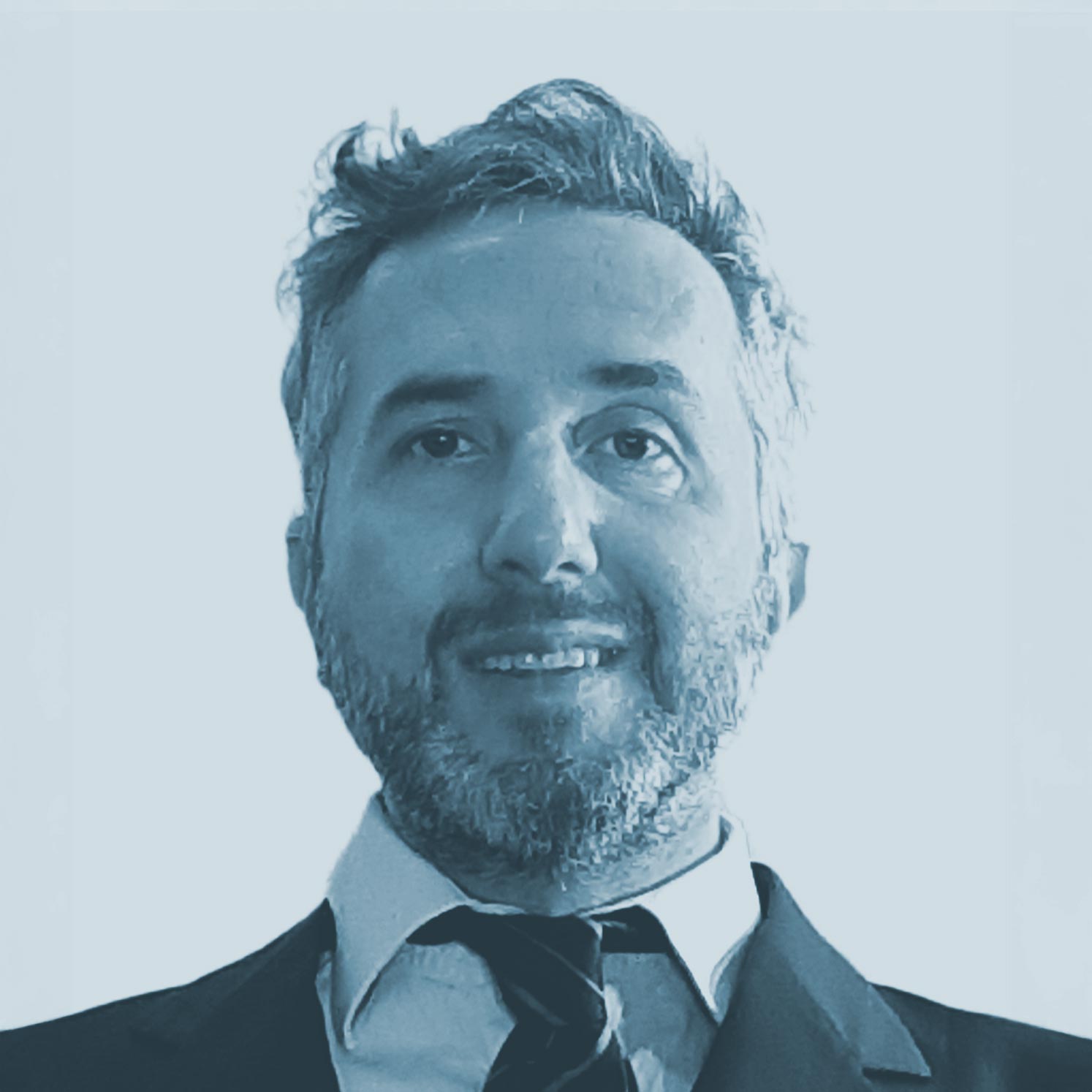
I am a PhD student in Earth Observation, focusing on soil monitoring and analyzing desertification processes driven by climate change. For my research, I use GIS and WebGIS, advanced tools that enable me to analyze and visualize complex geographic data.
My academic background includes a bachelor’s degree in GIS, a master’s degree in Geography, and a second-level master’s in GIScience, which have provided me with interdisciplinary skills to address the challenges of soil and environmental analysis.
In my free time, I enjoy caving and speleology, an activity I combine with scientific research by participating in the “Underground Climate Change” project, studying the impact of climate change on cave atmospheres.
Tiana Assis
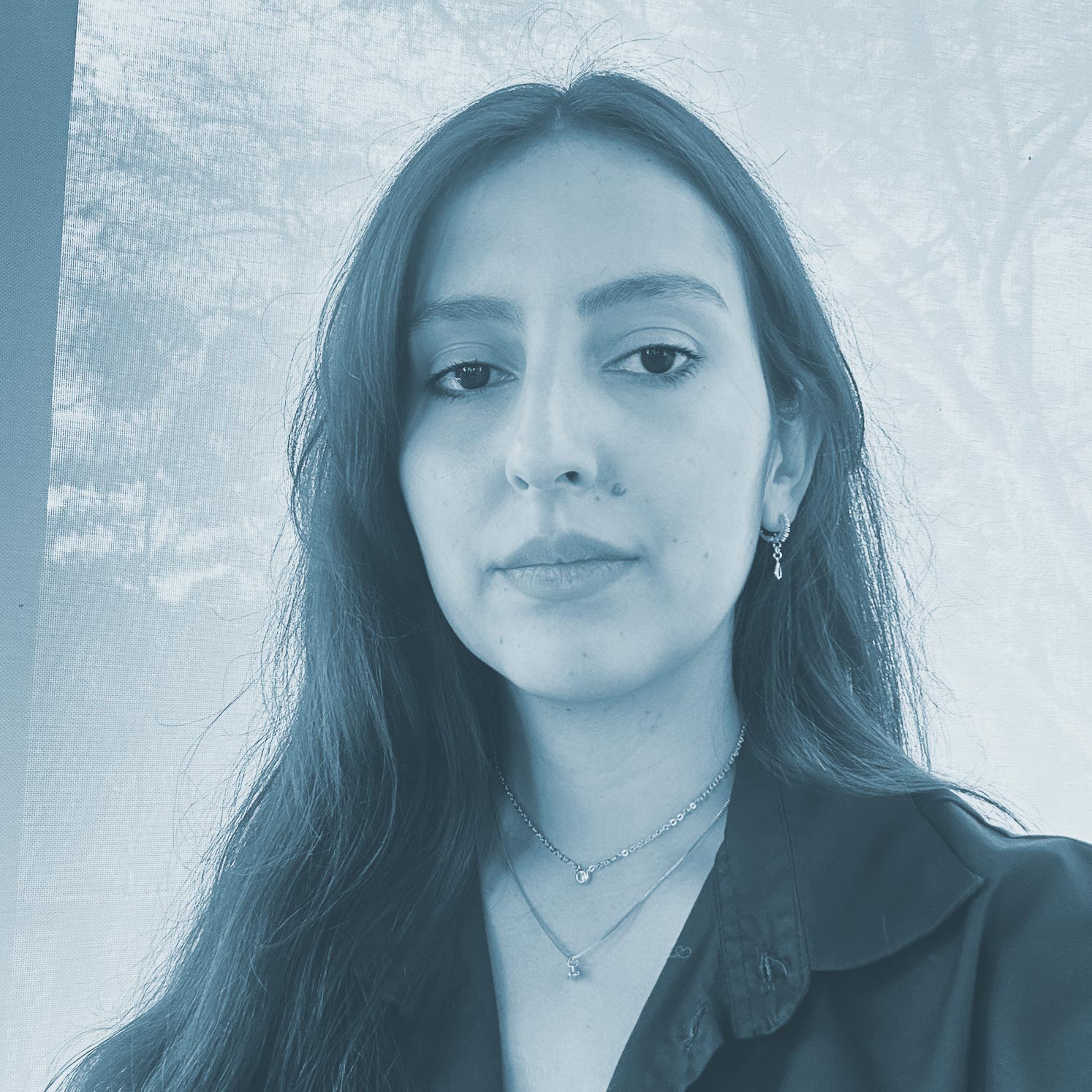
I am Tiana Assis, a PhD Student in Sustainable Development and Climate Change at the University School for Advanced Studies of Pavia, under the supervision of Professor Alessandro Caiani.
With the assistance of ML techniques, my research models land-use processes related to livestock production in the Brazilian Amazon, with a particular focus on the economic and policy incentives shaping these dynamics in carbon sink areas.
I hold a Bachelor’s degree in Economics from the Federal University of Juiz de Fora (UFJF), Brazil, and a Master’s in Public Administration from the Federal University of Santa Maria (UFSM), Brazil, with a concentration in Economics, Finance, and Public Policy. I have previously worked with policy evaluation as a research fellow at the Brazilian Federal Agency for Graduate Education and Research (CAPES) and collaborated on projects at the Inter-American Development Bank Group (IDB).
As a visiting researcher, I am deeply motivated by interdisciplinary approaches and the pursuit of sustainable solutions for complex socio-environmental challenges.