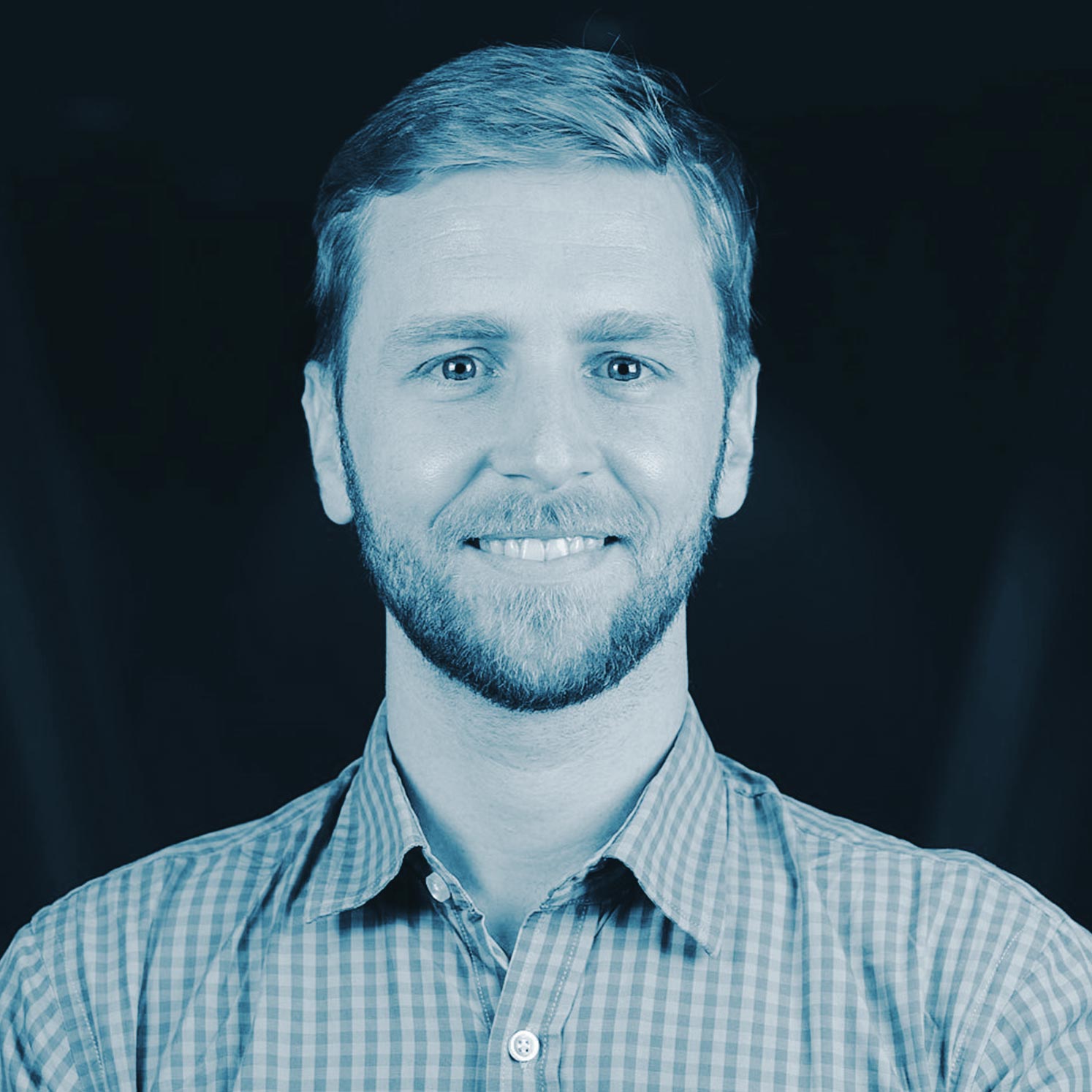
Bruno M. Carvalho is a visiting researcher from the Global Health Resilience team of the Barcelona Supercomputing Center. At the Φ-lab he is exploring the advantages, challenges, and limitations of using climate models and EO satellite data for infectious diseases modelling with Rochelle Schneider and Alesandro Sebastianelli. He is also interested in the applications of machine learning and AI for forecasting disease outbreaks.
Bruno holds a PhD in Ecology and Evolution, MSc in Parasitology, and BSc in Biology. His research training focused on the eco-epidemiology of leishmaniasis and its vectors in Brazil. As a junior postdoc at Fiocruz, he was part of Brazil’s largest climate change research consortium (INCT Mudanças Climáticas) and author in Brazil’s Fourth National Communication to the United Nations Framework Convention on Climate Change. After a postdoctoral stay at the Rio de Janeiro Botanical Gardens developing models for ecological restoration projects, he moved to Spain as a Severo Ochoa fellow at the Barcelona Institute for Global Health, where he explored the links between infectious diseases and climate.
Currently, Bruno works as a postdoctoral researcher at the Barcelona Supercomputing Center, where he develops infectious disease models to provide early warnings and decision support to stakeholders in Europe, Latin America and the Caribbean. He builds indicators to track the impacts of climate change on health in Europe and harmonizes data from multiple sources and formats using open-access and reproducible digital toolkits. His broader research interests are on vector-borne disease ecology, particularly in how climate and land use change affect diseases such as leishmaniasis, dengue, West Nile fever, and malaria.
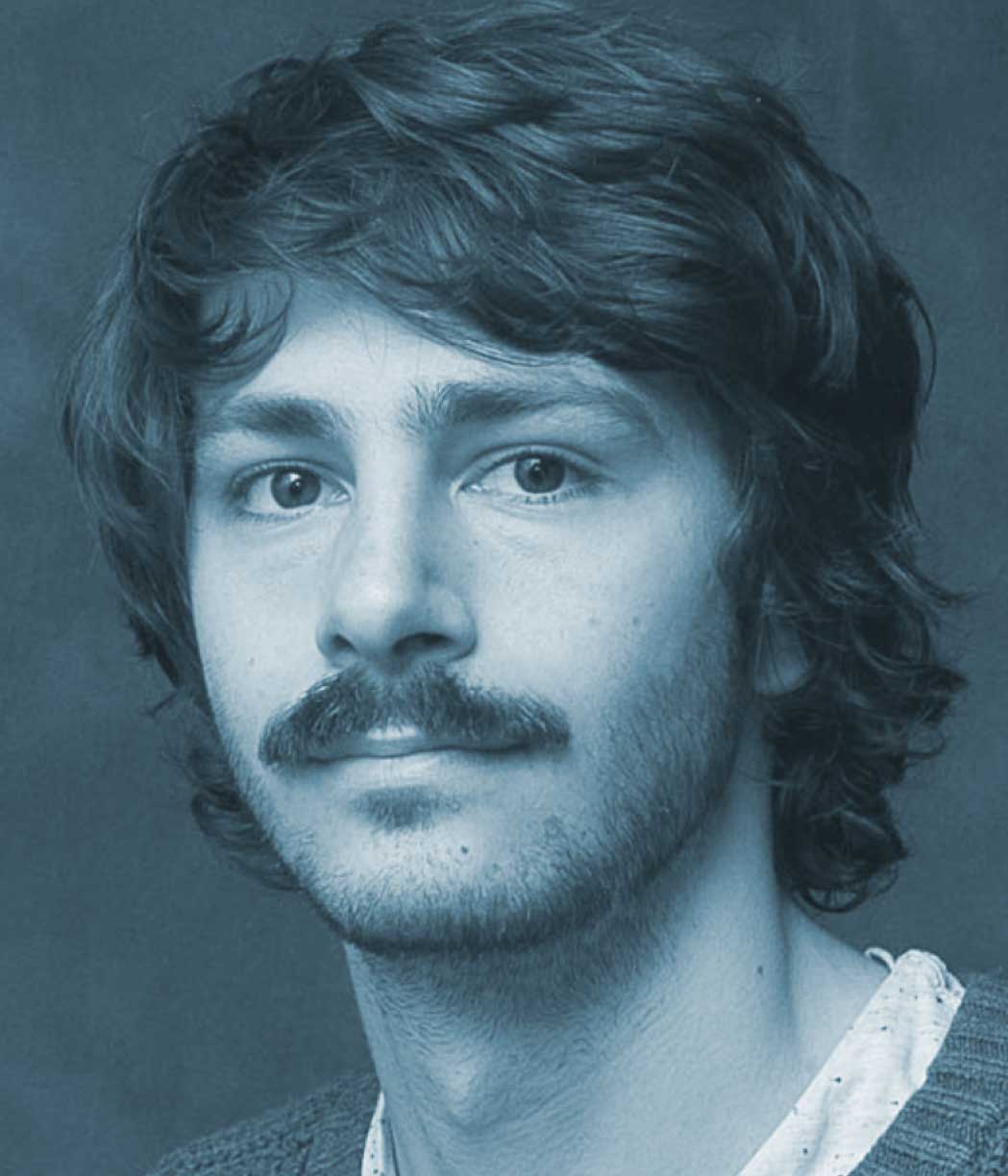
I implement Deep Learning techniques to solve segmentation and object detection problems in the observation of Earth, and of other planets. Spe- cifically, my work whilst visiting the Φ-lab has fo- cused on designing novel convolutional models that are able to handle images with arbitrary spectral responses as input. This sensor-independence is a means of achieving greater inter-operability between cloud masks for satellites to gain more value from existing labelled datasets that use images from a wide range of sensors. To this end, I am also interested in dataset harmonisation, and have developed a machine learning pipeline that are often time-consuming and tedious. toolbox to help restructure multiple segmentation datasets into a single shared format.
My background is in physics and Space science. I obtained my BSc in physics from the University of Oxford, and have a MSc in Space Science from UCL. I am now pursuing a PhD in the Imaging Group at Mullard Space Science Laboratory, UCL.
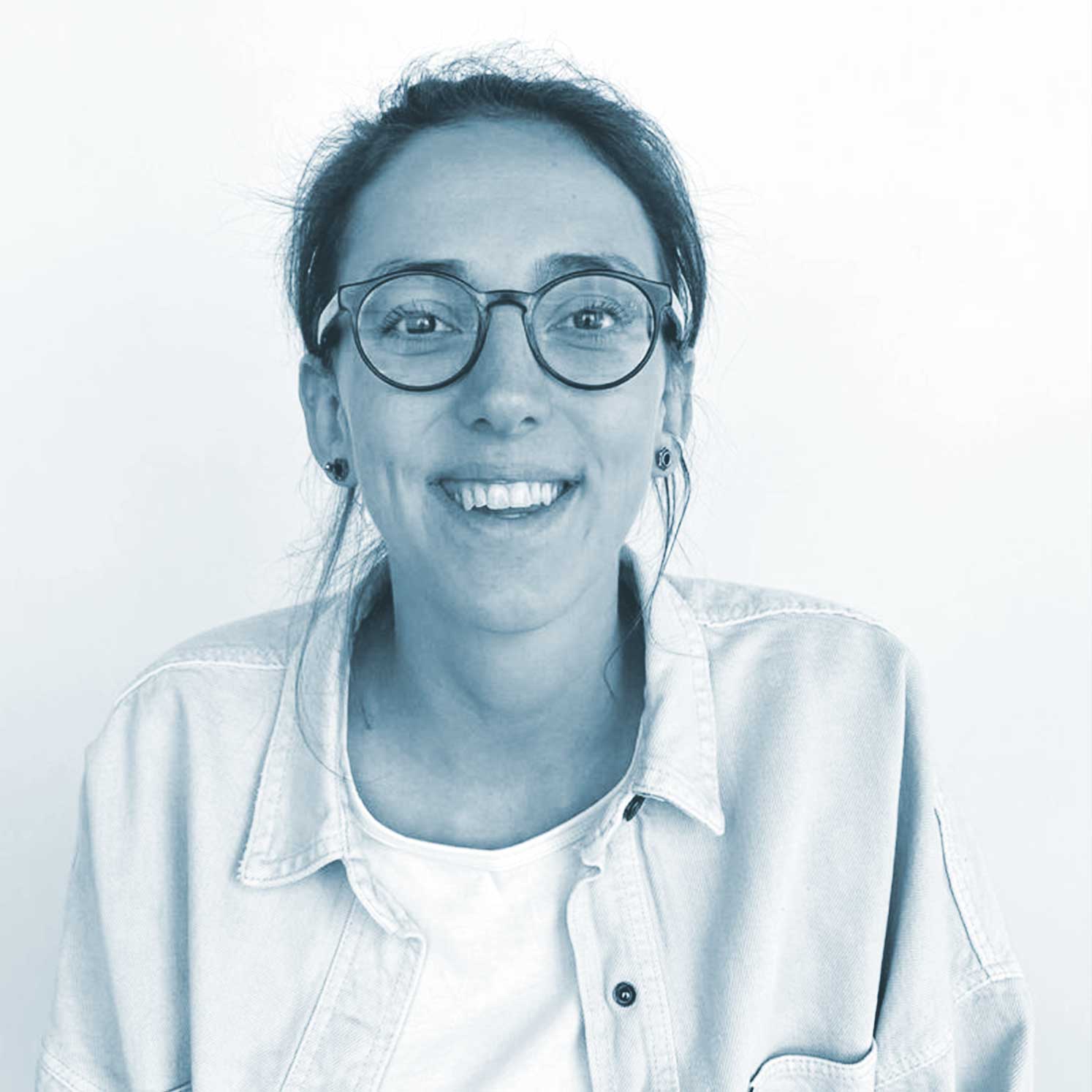
Just graduated in Data Science : Information Technology from UCLouvain, I discovered the world of Earth Observation through my master thesis and my internship.
These took place at AerospaceLab (a Belgian company) and was about automatic damage detection in natural disasters management.
All along my studies, I had the opportunity to develop problem-solving skills through extra-academic projects and student jobs in many different fields. These skills help me to be more efficient in this challenging and fascinating sector mixing both EO and AI’
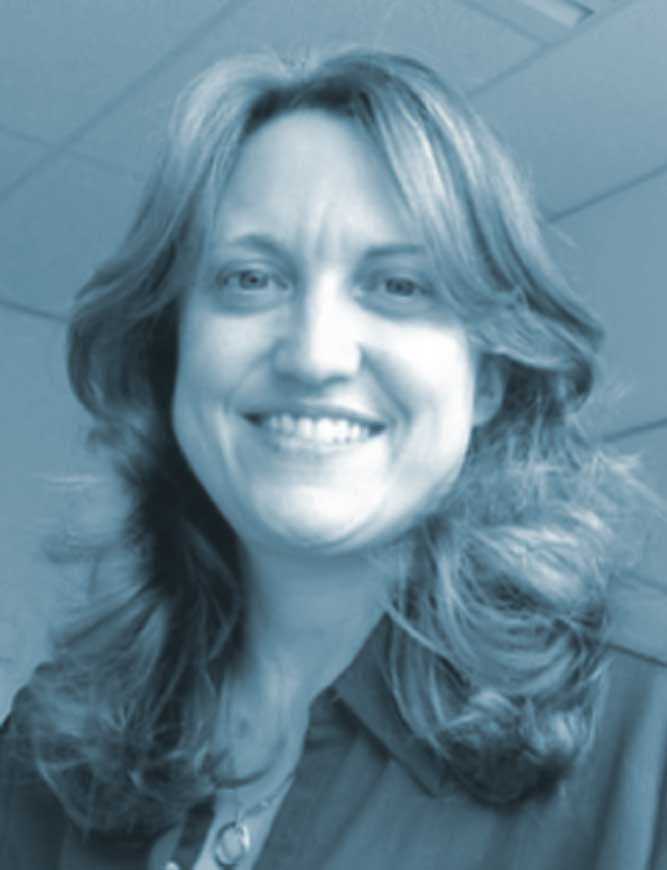
Amanda spent 13 years in EO Future Missions and 2 years representing ESA at the EC. She now manages the Investment in InCubed; fostering entrepreneurial initiatives, developing new EO business, improving competitiveness and developing new partnerships.
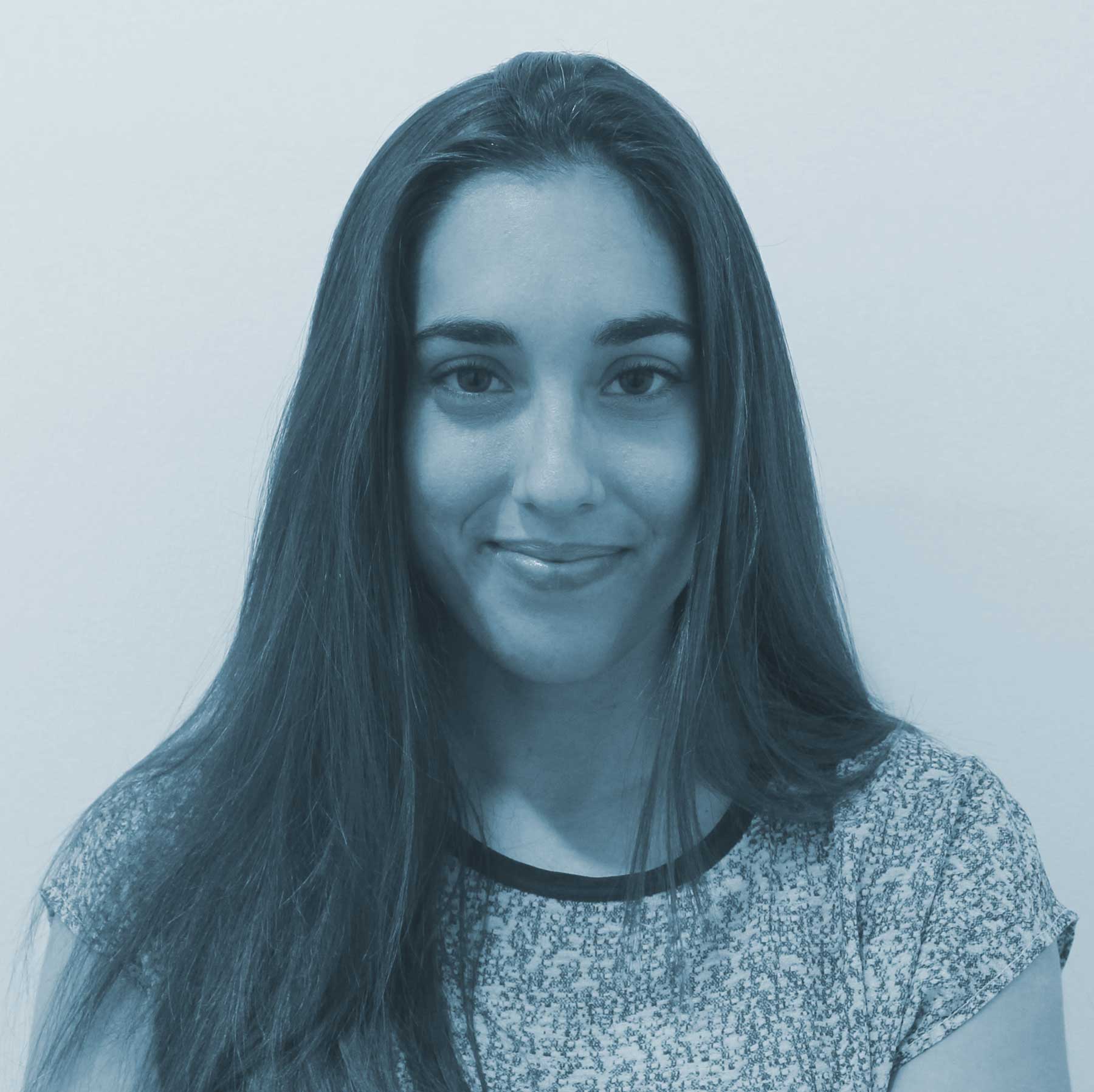
Raquel Carmo is a passionate and driven individual with an academic background in Aerospace Engineering. Exploring new opportunities to pursue intellectual challenge. Raquel is eager to work in a multi-cultural environment and to develop strong relationships, while learning from experienced engineers and scientists, especially in the areas of artificial intelligence and machine learning.
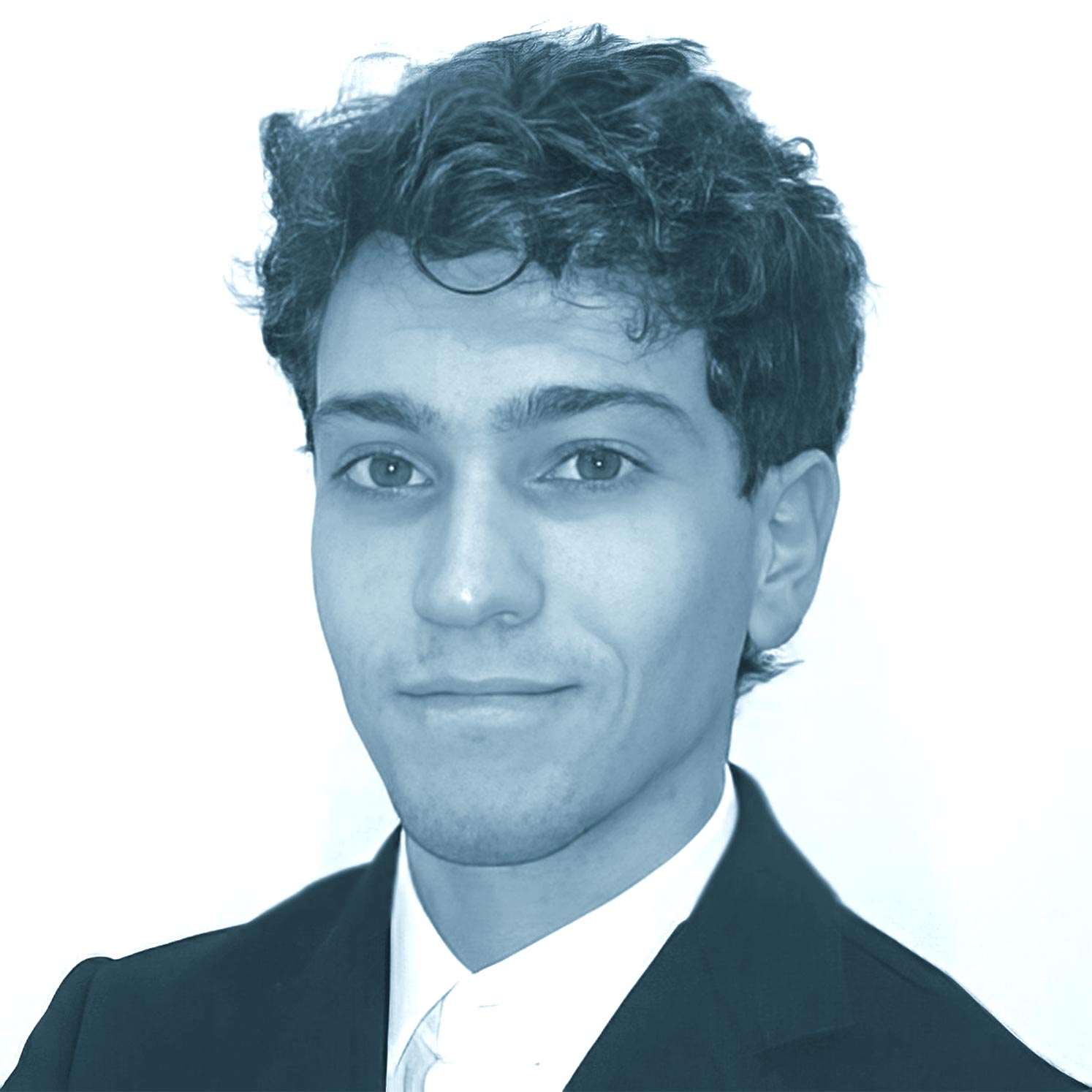
Andrea Ceschini was born in 1996. He received his Management Engineering degree (M.Sc.) with Honors from the University of Rome “La Sapienza” (Italy), in 2020. In the same year, he obtained the Professional Engineer Qualification. Currently, he is studying for the Ph.D. degree in Information and Communications Technologies from the same university. He is performing his research at the Dept. of Information Engineering, Electronics and Telecommunications (DIET). His research interests include Quantum Machine Learning algorithms on Noisy Intermediate-Scale Quantum (NISQ) devices, Machine Learning techniques for prediction of energy time series, neural circuit models and systems, signal processing algorithms on big data. His ongoing activities concern the development of novel quantum and quantum-inspired Neural Networks for time series modelling, Quantum Transfer Learning as well as the implementation of hybrid quantum-classical Deep Learning models in the energy and remote sensing domains
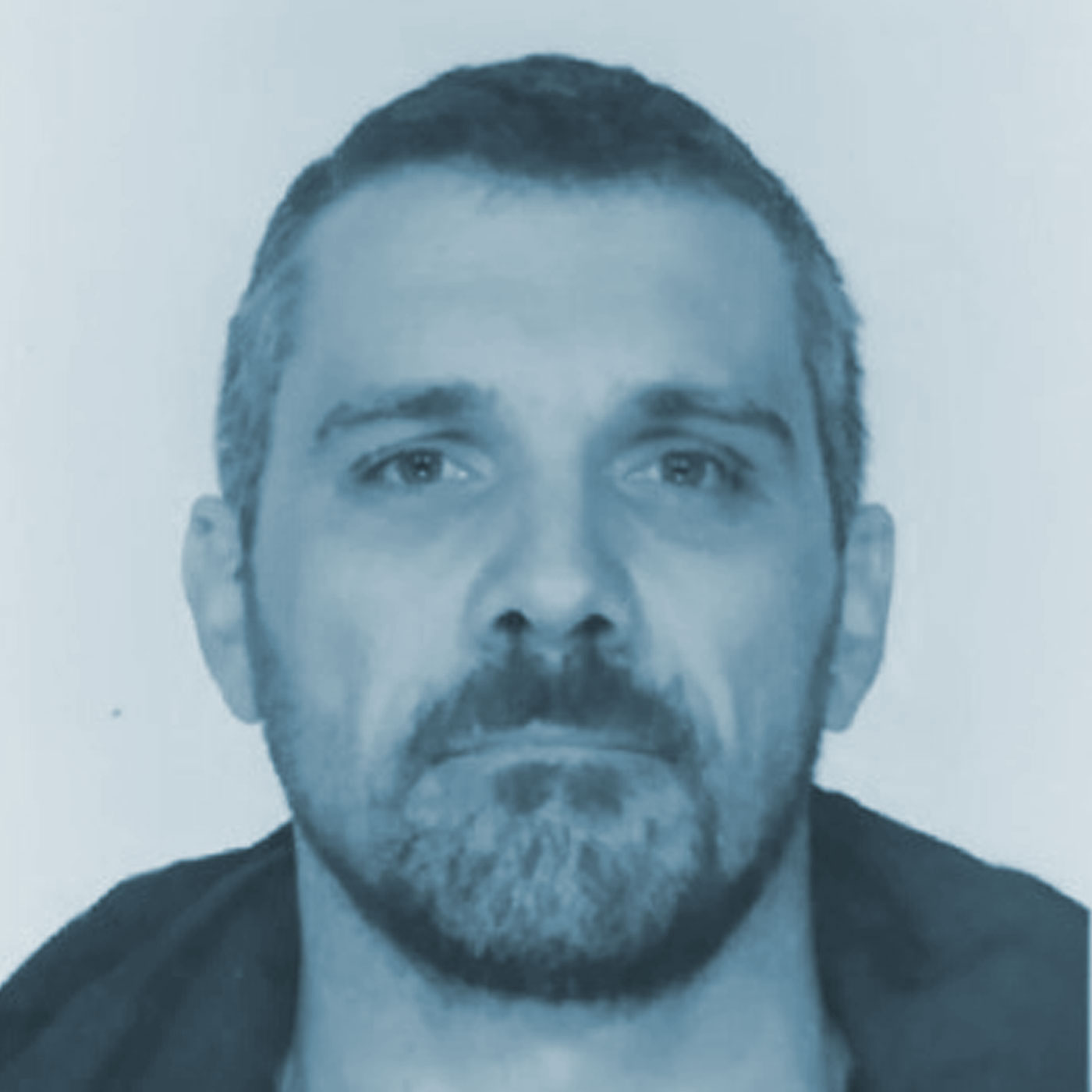
He got a PhD in GeoInformation, with a thesis on “Advances in Modeling Microwave Interactions with Vegetation for Active and Passive Remote Sensing”. He is in ESA/ESRIN since October 2006, where he started working on General Support Technology Programme (GSTP) and Technology Research Programme (TRP). He has been also involved in PDGS infrastructure harmonization initiatives (Heterogeneous Missions Accessibility project), standardization working group (Open Geospatial Consortium) and interoperability working group (CEOS Working Group on Information Systems and Services and Future Data Access & Analysis Architectures). He has provided technical support on the definition of requirements, identification of solutions and technical constraints for the implementation of innovative technologies in the ESA Payload Ground Segment and Data Management Division (e.g., Proba-V Mission Exploitation Platform, ESA EO Data Catalogue, ESA PDGS DataCube, ESA EO Vocabulary).
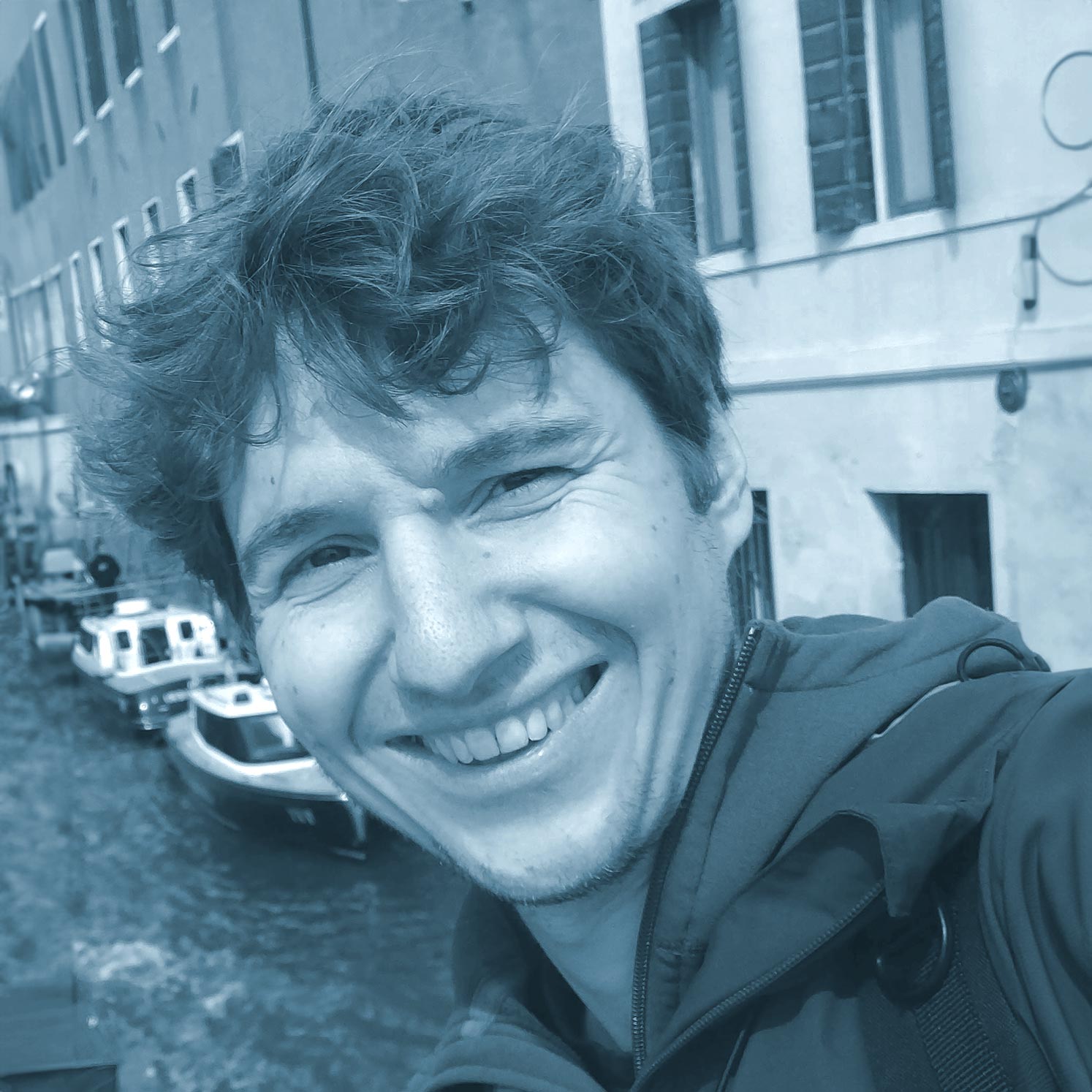
I am a recent theoretical physics and space studies graduate. For my space studies thesis, I worked together with the Royal Belgian Institute for Space Aeronomy on simulating dust damage for instruments onboard the Comet Interceptor spacecraft.
After graduating I worked at the Belgian company ReBatch, using AI to build solutions for a wide range of applications in the domain of computer vision and natural language.
I am excited to pursue my passion for physics, space and AI, and eager to further explore how AI can have a positive impact on Earth Observation.
With a Master’s thesis in SAR data processing and a PhD in Moving Target detection and Velocity estimation from SAR raw data, I acquired a strong knowledge of remote sensing and SAR and gained valuable experience working in international environments.
I strengthened my technical background during nine years spent in EDISOFT and METASENSING, where I focused on remote sensing and SAR data processing and gained experience in the scientific retrievals and user product validation starting from Earth Observation data, in particular for developing mathematical models and new algorithms based on signal processing and physics theory. While working for EUMETSAT, I acquired global visibility on the end-to-end processing chain for EPS-SG satellites.
Currently, I am employed in the processing team of ICEYE. My main task is to support processing algorithms definition and data calibration and validation, as well as collaborating with the analytic team in different applications, especially in the maritime domain. At the same time, I am the main contact point for all the activities of ICEYE that are developed in cooperation with ESA.
Andrea has a background in Aeropsace Engineering and an international professional experience. He has worked as production and procurement manager for different players within the industry (Leonardo, OHB System). Originally from Teramo, Andrea is now moving back to his home country from Munich, Germany.

