

I hold a Bachelor’s degree in Environmental Engineering and a Master’s degree in Data Science from the University of Naples Federico II. I am pursuing a Ph.D. in Artificial Intelligence for Environmental Applications under a national program at the same university. My research interests concern the application of AI in earth observation, especially above-ground biomass and carbon stock estimation, and leveraging Artificial Intelligence to model the process of biofuel production. Additionally, I am keenly interested in physics-informed machine-learning techniques. I have been selected as a finalist in the OrbitalAI IMAGIN-e Challenge, which has allowed me to come as a visiting researcher at the European Space Agency (ESA).
Archives: Team
Gabriele Meoni
Gabriele Meoni, PhD, received his Master’s degree in Electronic Engineering (with honours) and his PhD in Information Engineering respectively in 2016 and 2020 from University of Pisa.
From September 2020 until March 2023, he was Internal Research Fellow at the European Space Agency, before in the ESA Advanced Concepts Team (ACT) and, then, in the Φ-lab, where he conducted research on Artificial Intelligence (AI) and neuromorphic computing applied to onboard spacecraft applications.
From October 2022 until March 2023, where still at ESA, Gabriele was a visiting researcher in AI Sweden, where he researched on distributed edge learning on satellite constellations.
After a brief stint as an Assistant Professor in Space Systems Engineering at the Faculty of Aerospace Engineering of Delft University of Technology, he joined ESA as Innovation Officer in April 2024.
His research topics of interest include satellite onboard processing, artificial intelligence for Earth Observation, neuromorphic computing, and edge computing.
Amer Delilbasic
I am doing a PhD in computational engineering with the Jülich Supercomputing Centre and the University of Iceland.
The objective of my work is designing algorithms based on high-performance computing for data-intensive Earth observation applications. My current research focus is quantum machine learning.
Abi Riley
As a current PhD student at Imperial College London, Abi Riley will completing a 6-month internship in the φ-lab, in a joint project with the UNICEF Giga Data Science Team. TheirPhD works on the development of Bayesian spatiotemporal models for applications to air pollution modelling and non-communicable disease epidemiology, including the use of earth observation products as proxy data sources, predictive variables, and model covariates. Before her PhD, shecompleted her undergraduate and master’s education in mathematics, specialising in Bayesian modelling and differential equations.
The joint UNICEF-ESA project aims to quantify the connectivity of children and schools to vital electricity and internet services, with the hope to identify priority regions and schools. Abi’s branch of the project will be on mapping and predicting electricity connectivity in Brazil and Sub-Saharan Africa, through the use of large geospatial datasets, including a number of earth observation products, socio-economic variables, population estimates, and existing energy infrastructure. Her aim is to link her PhD work in Bayesian modelling to cutting-edge models in Bayesian machine learning and AI algorithms.
Aina Roca Barcelo
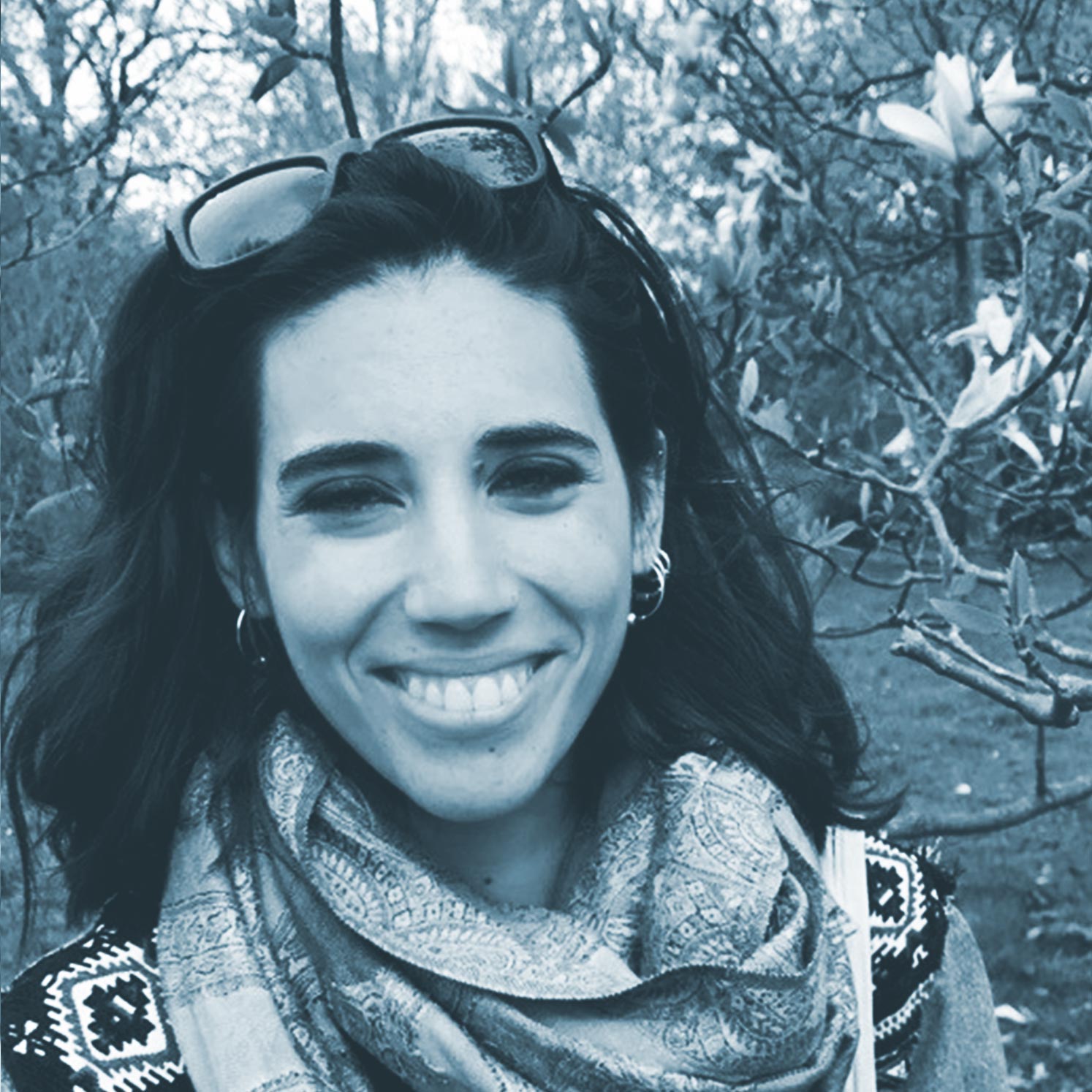
I am an ambitious and enthusiastic PhD candidate with a profound passion in environmental health epidemiology. I am currently investigating the effects of temperature on people’s health in São Paulo, Brazil, focusing on identifying vulnerable groups to inform targeted policies. This is part of my PhD in Public Health at Imperial College of London, UK, in collaboration with the University of São Paulo, Brazil. I am particularly interested in the application of novel methodologies and data sources to climate change research. Prior to that, I trained in Biomedical Sciences at the Autonomous University of Barcelona and hold a first-class MSc degree in Health Promotion by the University of Girona. As a visiting researcher at the Phi-Lab, I will be exploring different machine learning approaches and EO data to produce accurate predictions of daily temperature at a high spatial resolution for the municipality of São Paulo, Brazil.
Albin Lacroix
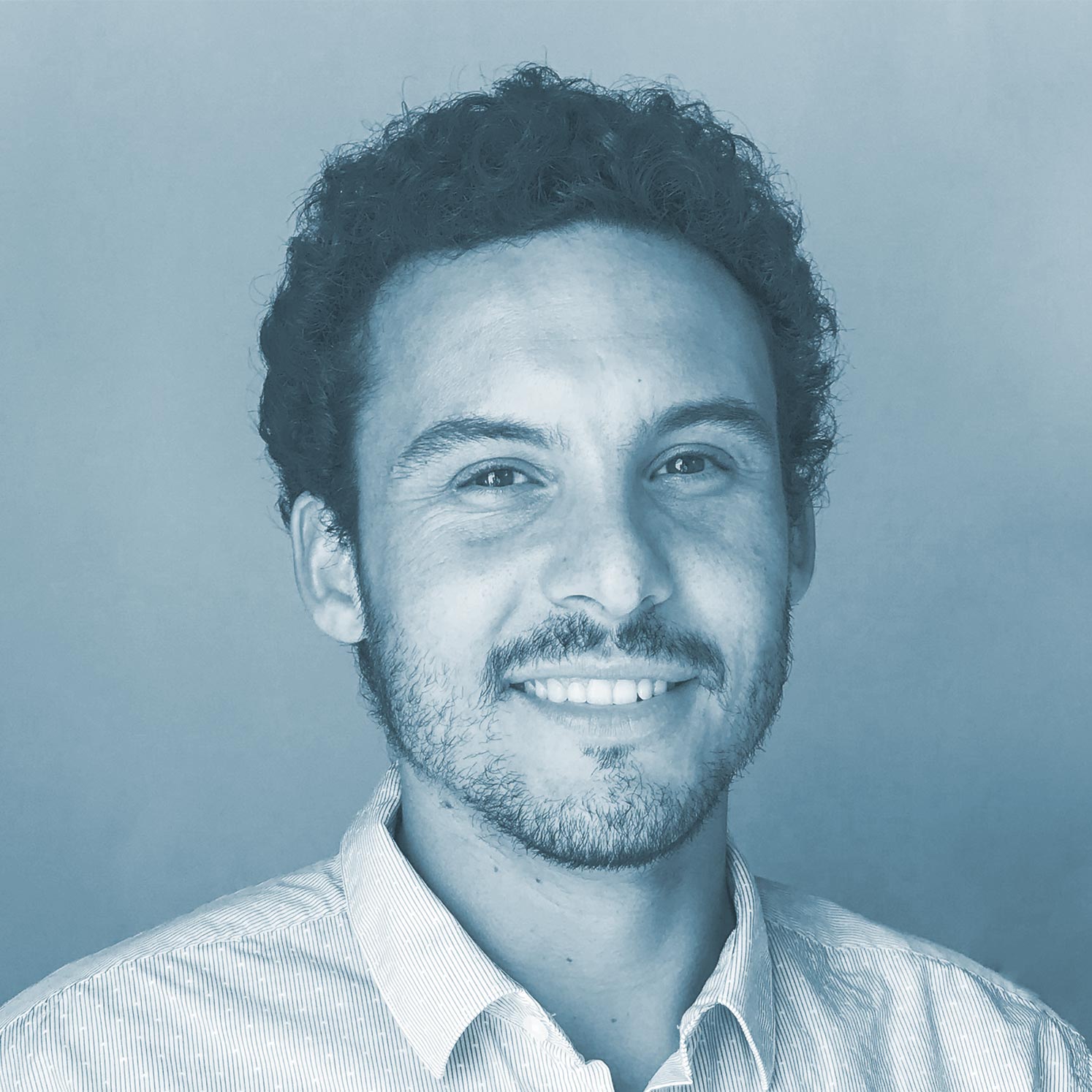
I graduated from Toulouse University in environmental sciences and hydrology topics. Thanks to an opportunity to work as a GIS volunteer in Ecuador, I discovered the world of EO. I then worked in several companies (like Airbus Defense & Space and CLS) trying to find new use cases using EO data, and new ways of creating added value on top of (mainly) optical data
Alessandro Crispiels
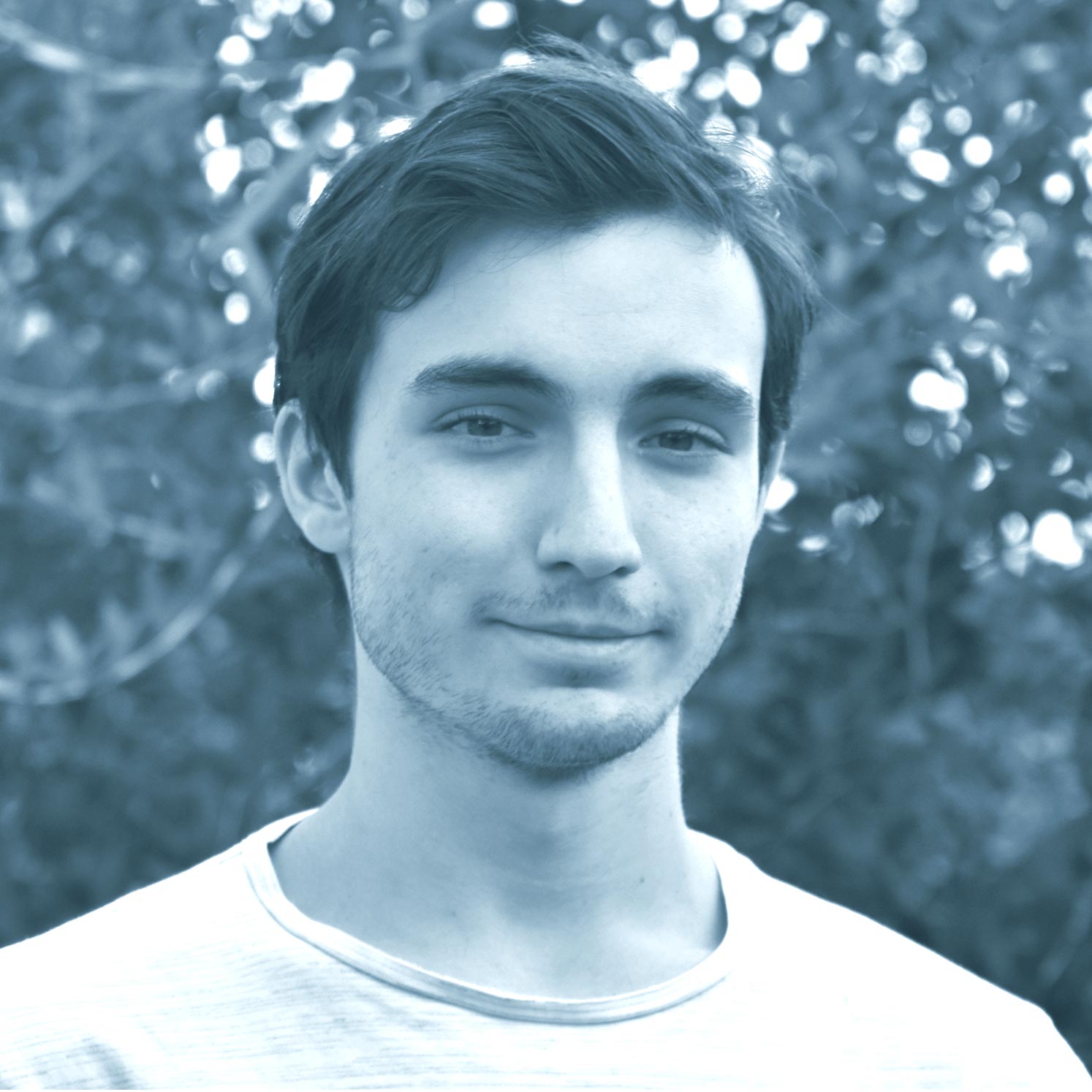
Alessandro Crispiels is a Space Engineering MSc student at Politecnico di Milano. He developed interests within Earth Observation and Machine Learning through multiple participations in the NASA Space Apps Challenge competition, leading to two victories at the local level and one global nomination.
Between his BSc and MSc he worked in the context of satellite telecommunication and IoT at Apogeo Space as an intern, participating then in the development of the navigation system of the student satellite 6S by PoliSpace, a project supported by ESA’s Fly Your Satellite! programme. Both these experiences built on his interest for software development and simulations, and expanded into business development.
Currently he is proceeding concurrently with his studies in the field of Complex Systems simulations through university, and personal research within the field of start-ups development and reinforcement learning
Alessandro Sebastianelli
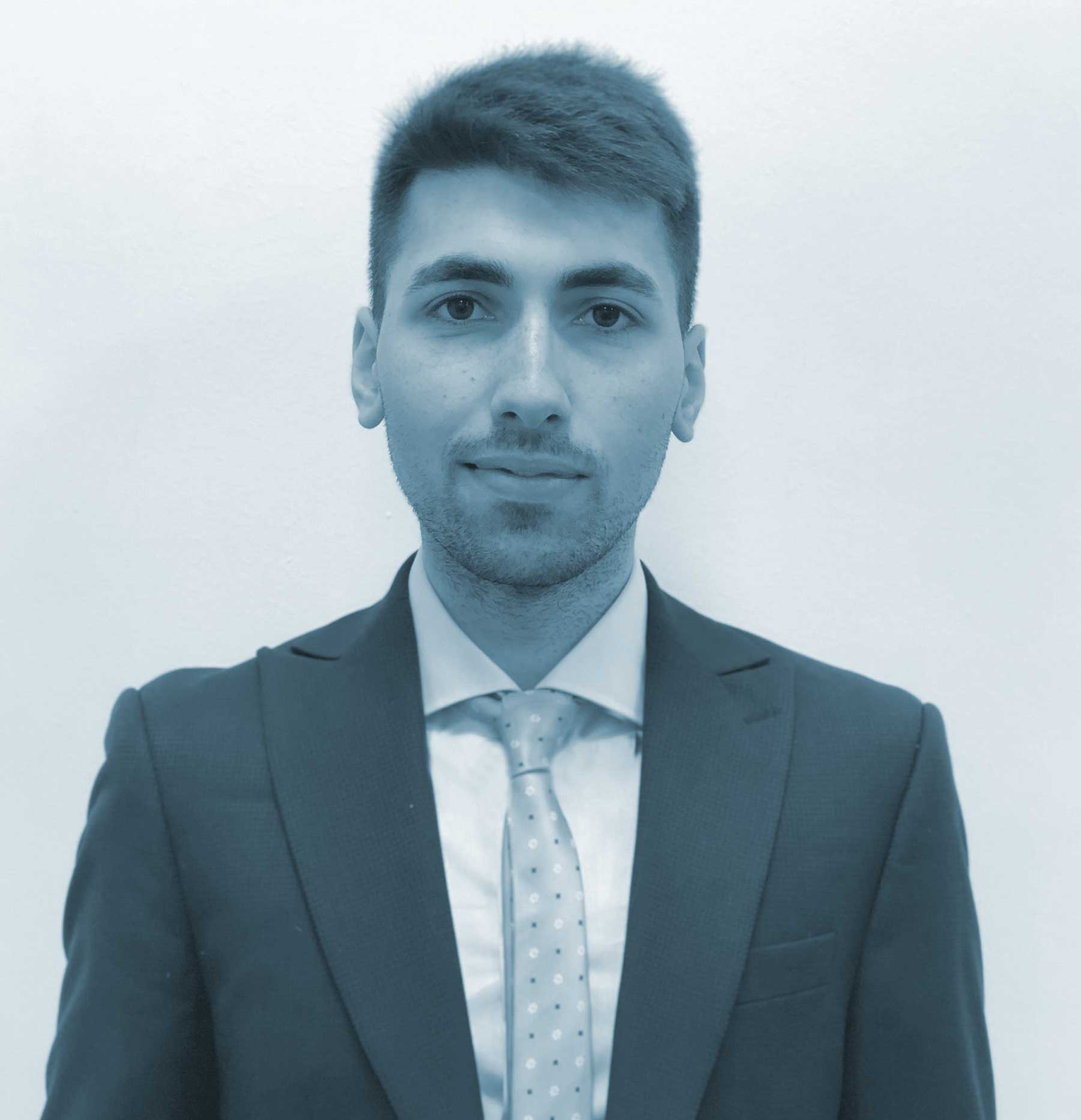
Alessandro Sebastianelli (https://alessandrosebastianelli.github.io/) (Student Member, IEEE) received the degree (cum laude) in electronic engineering for automation and telecommunications from the University of Sannio, Benevento, Italy, in 2019, where he also pursed the Ph.D. degree.
His research topics mainly focus on remote sensing and satellite data analysis, artificial intelligence (AI) techniques for Earth observation, data fusion and quantum machine learning. He has coauthored several articles to reputed journals and conferences for the sector of remote sensing. Ha has been a Visited Researcher with Φ-lab, European Space Agency ESA/European Space Research Institute ESRIN, Frascati, Italy, and still collaborates with. He has won an ESA OSIP proposal in August 2020. He received an IEEE award for one the best the thesis in geoscience and remote sensing.
Currently he works as Research Fellow in Quantum Computing for Earth Observation at the Φ-lab, ESA.
Artur Miroszewski
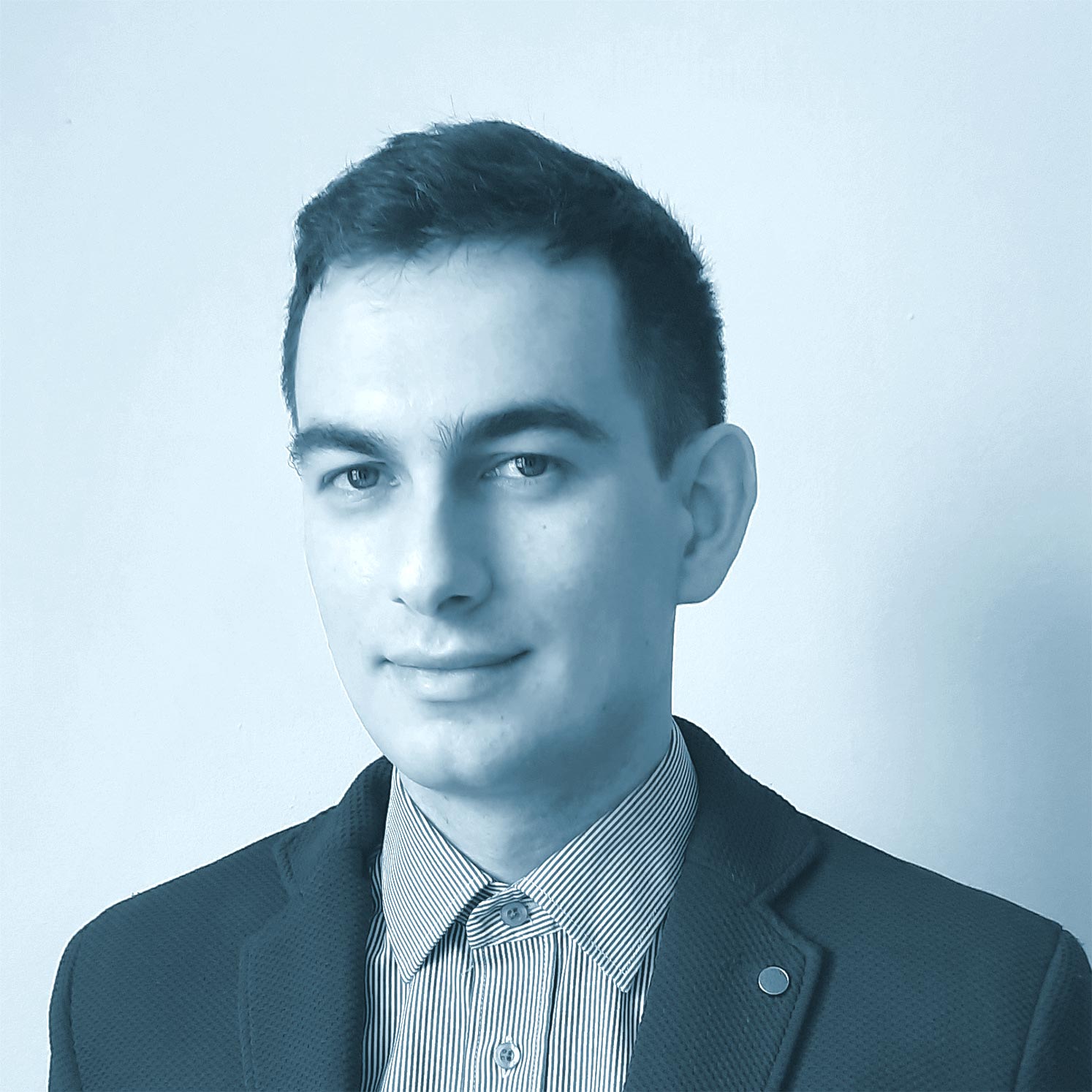
Artur Miroszewski is a postdoctoral researcher at Jagiellonian University. He obtained his Ph.D. in 2021 from the National Centre for Nuclear Research, Warsaw, Poland, in the field of theoretical physics. His doctoral thesis investigated the potential existence of quantum gravitational effects in the early universe, proposing a primordial singularity avoidance scenario known as the Big Bounce. His research also explored possible observational signatures of this scenario within the gravitational waves spectrum.
Currently, Artur is actively involved in a European Space Agency project focusing on the exploration of quantum machine learning applications for satellite data analysis. His primary focus revolves around the utilization of quantum kernel methods for classification tasks.
Alice Barthe
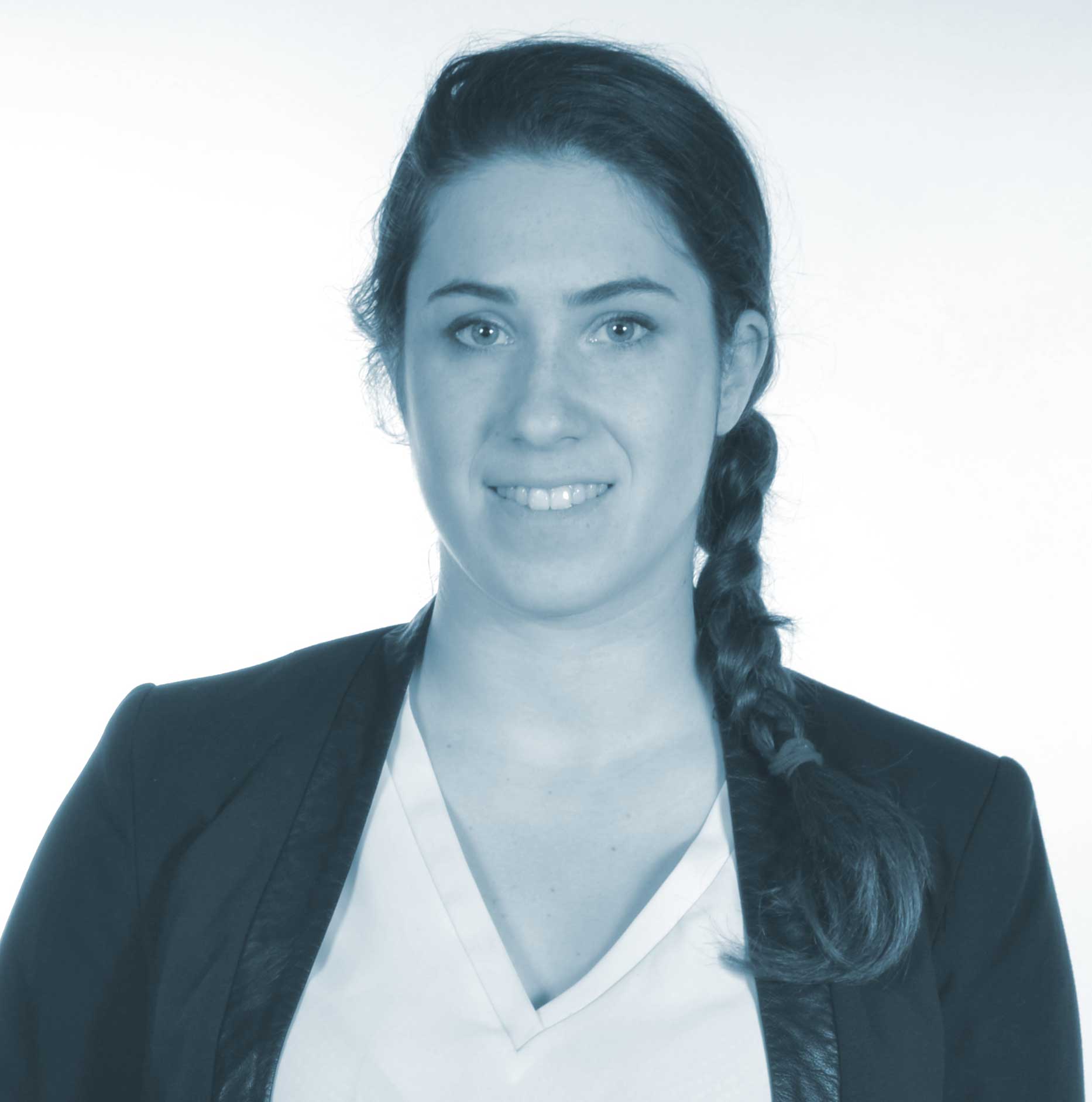
Graduated from the French Space Engineering school Supaero, where she specialized in Applied Mathematics. She is now working at stimulating the European Earth Observation Ecosystem working for the InCubed programme.