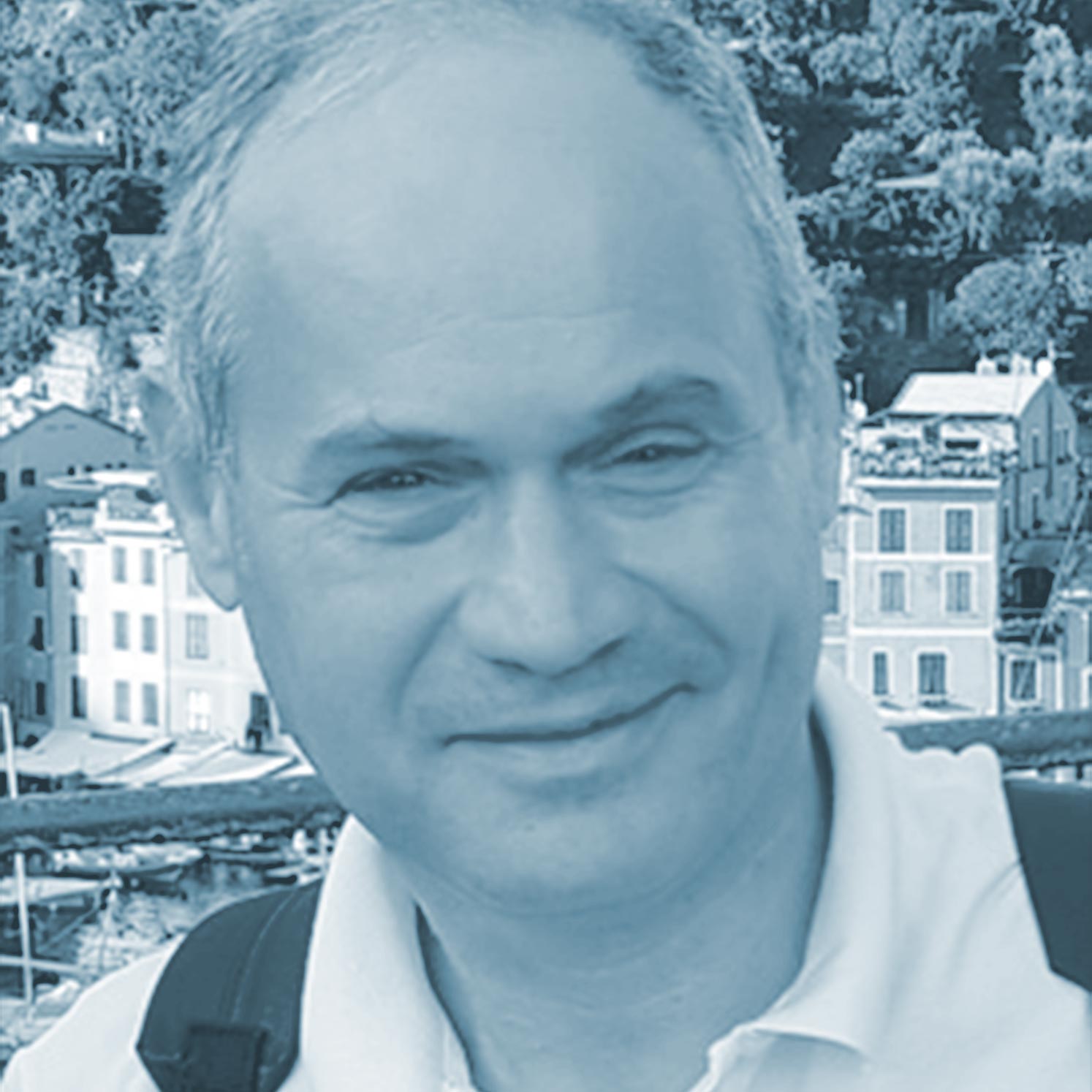
Professor Plamen Angelov holds a Chair in Intelligent Systems and leads the AI groupat the School of Computing and Communications at Lancaster University, UK. He is the founding Director of the Lancaster Intelligent, Robotic and Autonomous systems (LIRA) Centre.
Professor Angelov has over three decades of experience in advanced research on knowledge and human-interpretable machine learning model extraction from data, including data streams. He holds MEng, PhD, and DSc degrees and is a Fellow of the IEEE, ELLIS, IET, and AAIA.
He has received multiple awards, including the 2020 Dennis Gabor Award “for outstanding contributions to engineering applications of neural networks,” as well as two IEEE Awards for “outstanding contributions” (2013 and 2017).
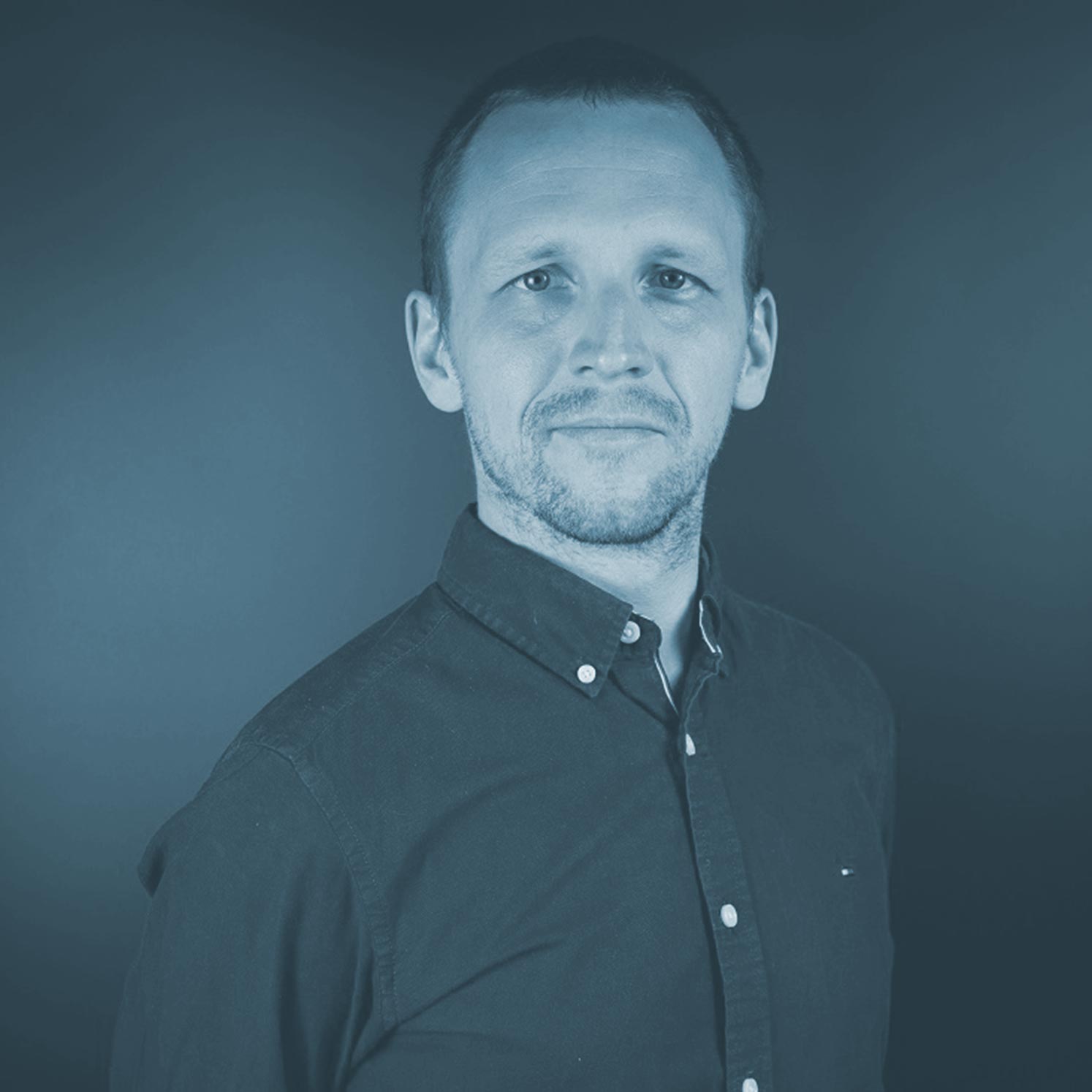
Jakub Nalepa received his MSc (2011), PhD (2016), and DSc (2021) in Computer Science from Silesian University of Technology, Poland, where he is an Associate Professor. Jakub is Head of AI at KP Labs where he shapes the scientific and industrial AI objectives of the company related to, among others, Earth Observation, on-board and on-the-ground satellite data analysis, (deep) machine learning and image analysis. He has been pivotal in designing the on-board deep learning capabilities of the Intuition-1 mission (KP Labs), and has contributed to other missions, including CHIME, Φ-Sat-2 and OPS-SAT (European Space Agency). His interests focus on (deep) machine learning, multi/hyperspectral data analysis, signal processing, remote sensing, evolutionary computation, explainable artificial intelligence and tackling practical challenges which arise in Earth Observation to deploy scalable Earth Observation solutions. Jakub was the General Chair of the HYPERVIEW Challenge at IEEE ICIP 2022 focusing on the estimation of soil parameters from HSIs on board Intuition-1, as well as of the HYPERVIEW2 Challenge at ECAI 2025. He is a Senior Member of IEEE.

I am a final-year PhD student at ONERA — The French Aerospace Lab, affiliated with the EOBE Doctoral School at Université Paris-Saclay. My research topic investigates multimodal generative models for very high-resolution Synthetic Aperture Radar (VHR SAR) imagery, with a particular focus on fundamental questions related to statistical modeling approaches for VHR SAR data.
My work explores the adaptation of latent diffusion and foundation models to the SAR domain. An initial research direction focuses on amplitude monopolarisation data acquired in X-band using the airborne ONERA SETHI sensor. The objective is to leverage language semantics to describe and generate coherent radar scenes while integrating physical constraints to ensure geometric and radiometric consistency in the generated imagery. A second line of research extends this approach to full polarimetric learning, aiming to capture richer scattering information and underlying physical structure.
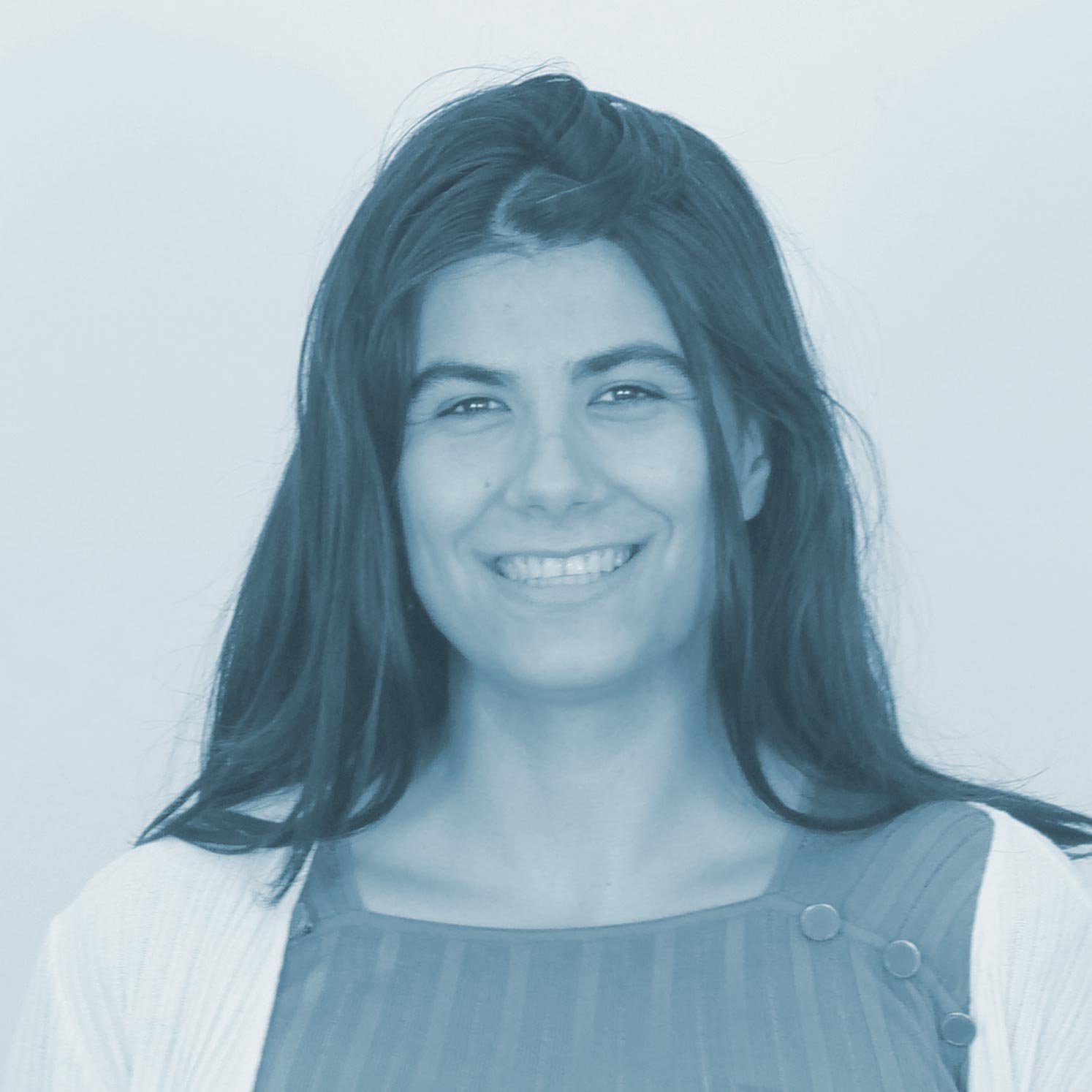
I am Noemi Mannucci, PhD student in the National Doctoral Program in Earth Observation, coordinated by Sapienza University with the University of Florence. My research focuses on the use of satellite Earth Observation data and Artificial Intelligence to support sustainable water resource management and climate adaptation. In particular, I work on the mapping and temporal analysis of Small Agricultural Reservoirs (SmARs) using optical and SAR data, contributing to national-scale datasets and indicators to assess water availability and water-related ecosystem services under current and future climate conditions

My name is Malo de Pastor, I am coming for a 6month internship at the Φ-lab working on onboard AI. I am in my final year of engineering school at Télécom SudParis studying High-Tech Imaging and worked on 3 main projects : Brain Tumor Segmentation with Mamba architectures, a Real-Time Monocular Depth estimator for Drones, and self-supervised spatiotemporal representation learning for Earth observation (JEPA world model). You can also find me on a tennis court, or running, skiing, and I hope to find a piano in Rome !

I am a mathematician working at the intersection of Artificial Intelligence, probabilistic modeling, and environmental sustainability, with a particular focus on marine ecosystems. I completed my PhD in Mathematics at the University of Trento, where I developed Reinforcement Learning frameworks and simulation environments for autonomous systems applied to marine biodiversity monitoring and ecosystem assessment.
My research focuses on designing explainable and uncertainty-aware AI models to support decision-making in complex marine and environmental systems. Over the years, I have worked on Reinforcement Learning, graph-based modeling, and probabilistic representations of ecological dynamics, contributing to interdisciplinary projects spanning mathematics, marine ecology, and climate-related applications.
I believe that mathematically grounded AI can play a crucial role in transforming environmental data into actionable knowledge. My goal is to develop transparent and trustworthy methodologies that bridge rigorous theoretical research with real-world impact in climate and sustainability contexts.
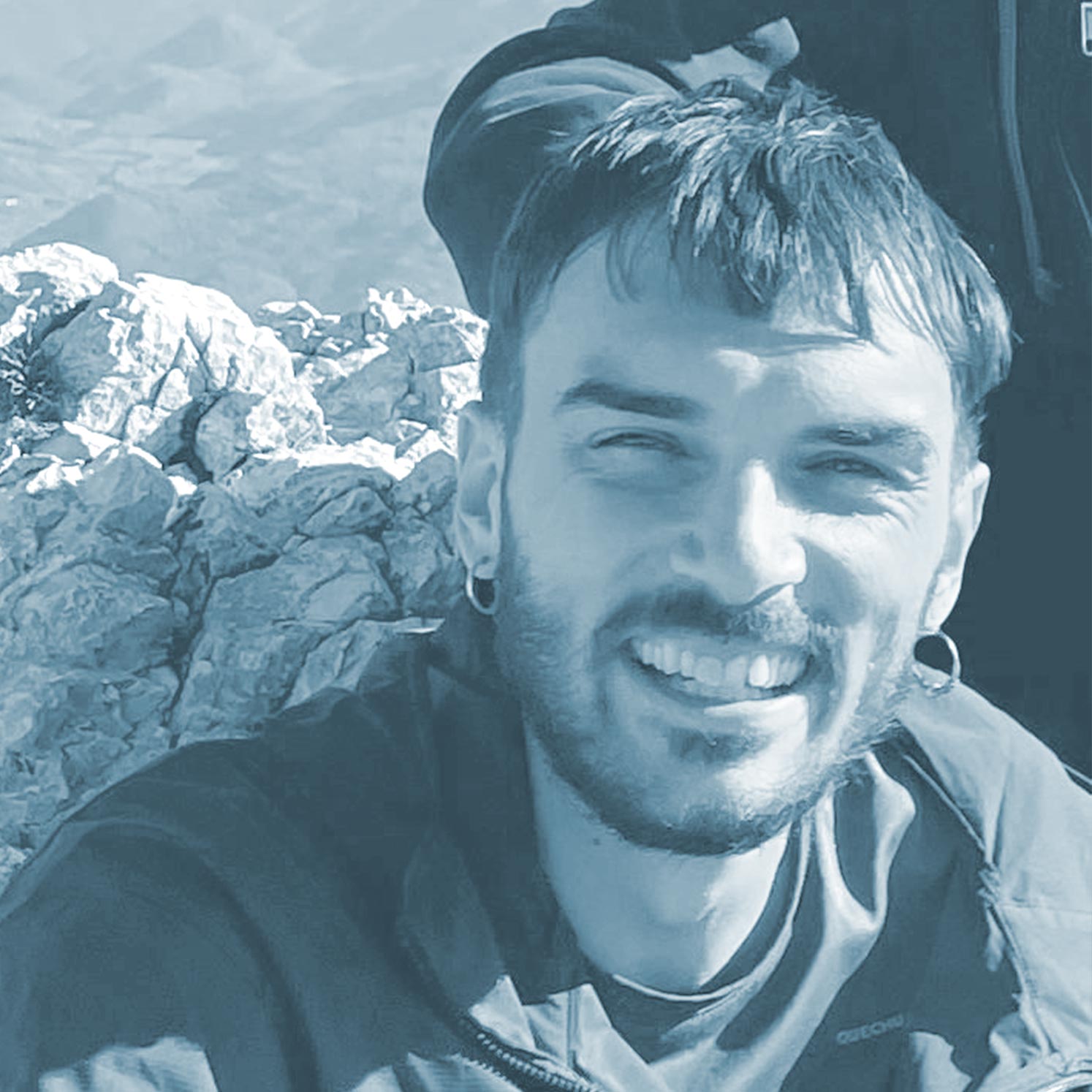
Federico Mattei spent six months in Bangkok during a high-school exchange program in 2012, having the opportunity to discover a new culture and different ecosystem types that aroused him the interest and passion for the natural world. In 2020 he received a Bachelor’s degree in Natural Science from La Sapienza University and in 2024 he obtained a Master’s degree in Ecobiology from La Sapienza University after 9-months internship period accomplished at the Consiglio Nazionale delle Ricerche (CNR) where he developed the skills in geospatial analysis and satellite data processing by working on a project focused on studying the trade-offs in the provision of Ecosystem Services in Vietnam using Earth Observation techniques. After obtaining his Master’s degree he decided to undertake a journey along Central-South America and South-East Asia, focused on reaching places of high naturalistic and ecological value, experiencing first-hand the current threats and effects of Land Cover-Land Use change driven by climate change and economic developments on biodiversity and ecosystems. This experience stimulated him to participate to the XL cycle of the PhD program in Sustainable, Development and Climate Change, organized by IUSS PAVIA working on a project focused on monitoring rapidly shifting landscape in Southeast Asia using innovative Earth Observation techniques. Currently, he is deepening the applications of Machine Learning techniques and Geospatial Foundation Models in satellite data processing and analysis.
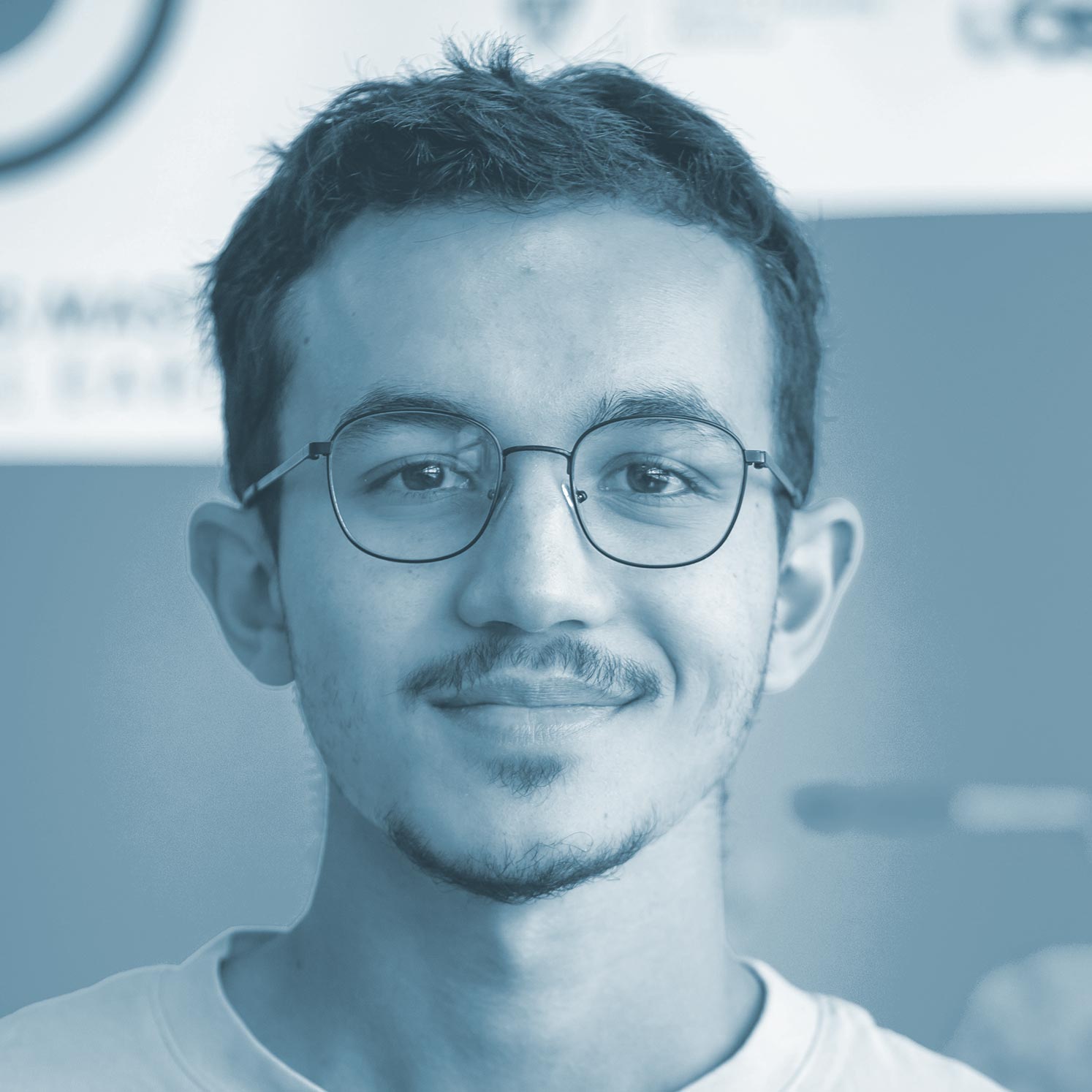
I am a student at the University of South Brittany in the MSc Copernicus in Digital Earth Program. I hold a bachelor’s degree in computer science from IUT of Vannes. My current interests include AI edge computing and deep learning applications for Earth observation. My master’s thesis focuses on onboard AI for Earth observation satellites.
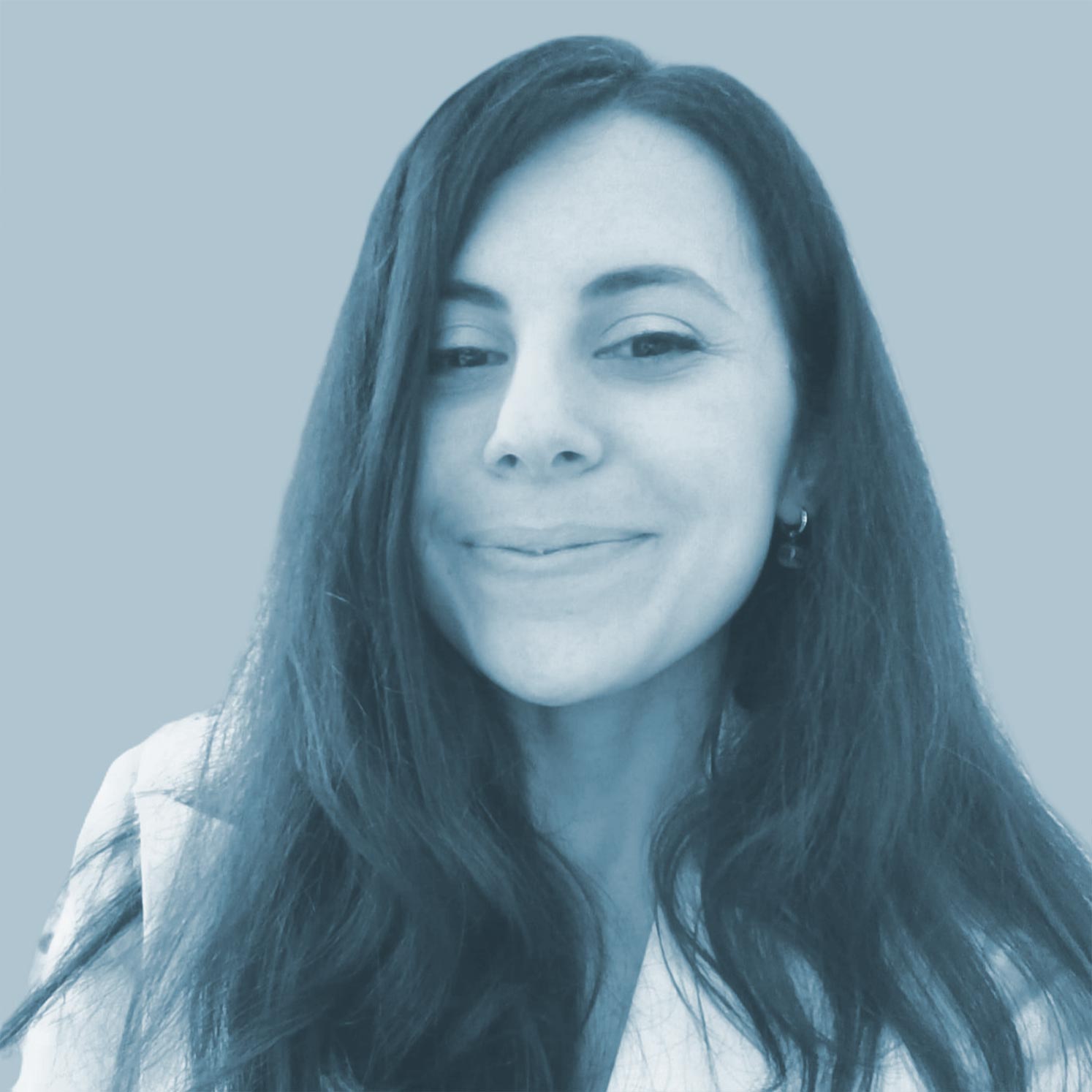
Elena Chiricallo is a PhD student in Environmental Sciences at Ca’ Foscari University of Venice and at the Centre for Cultural Heritage Technology (CCHT) of the Italian Institute of Technology. Her academic journey began at the University of Bari Aldo Moro where she earned a Master’s Degree in High Energy Physics with a thesis on Explainable Artificial Intelligence.
Elena is currently completing her PhD at CCHT under the supervision of Dr. Arianna Traviglia and Professor Sebastiano Vascon. She works with the Centre’s archaeologists to develop innovative deep learning pipelines for supporting large-scale archaeological prospection on satellite Earth Observation data, with a specific focus on Synthetic Aperture Radar (SAR) data.
Through her doctoral studies, Elena has developed expertise in Artificial Intelligence for Earth Observation and SAR data processing and analysis. During her stay at ESA Phi-Lab, she will explore the potential of Geospatial Foundation Models for archaeological applications, evaluating their performance in data-scarce scenarios.

Artur Miroszewski received the Ph.D. degree in theoretical physics from the National Centre for Nuclear Research, Otwock, Poland, in 2021. His doctoral research focused on quantum effects in very early universe cosmology, leading to the big bounce scenario and the emission of primordial gravitational waves.
Following his Ph.D., he joined the Jagiellonian University as a Postdoctoral Researcher, working on quantum computing applications in remote sensing and Earth observation.
In addition to his research activities, he serves as a quantum computing lecturer at IEEE GRSS HDCRS summer schools. He is a co-chair of the QUEST IEEE GRSS Technical Committee and organizes the annual Quantum Computing for Space Applications conference.
His research interests focus on the application of quantum kernel methods to remote sensing tasks.

